
What telescope should I buy for stargazing?
Upload time :August 29, 2023
Shares
Reads
If you're interested in stargazing and want to buy a telescope, there are some factors you should consider before making your purchase. Firstly, it's important to think about your budget and experience level, as telescopes can range from a few hundred dollars to several thousand. Additionally, you'll need to choose between refracting or reflecting telescopes, each with its own advantages and disadvantages. You should also research aperture, focal length, and magnification to determine the best fit for your needs. Another consideration is portability and ease of use, especially if you plan on traveling with your telescope or using it frequently. Lastly, reading reviews and consulting with experts can help you make an informed decision and ensure that you get the most out of your investment. By carefully weighing these factors, you'll be well on your way to finding the perfect telescope for your stargazing adventures.
1. Consider your budget and experience level.
To begin with, it's important to consider your budget and experience level. While there are telescopes out there that cost thousands of dollars, there are also plenty of affordable options for beginners. Likewise, if you're new to stargazing, you may want to start with a simpler model before moving on to more advanced equipment.
Once you've established your budget and level of experience, there are several other factors to consider when selecting a telescope:
Aperture: The aperture of a telescope refers to the size of its opening, which determines how much light it can gather. The larger the aperture, the brighter and clearer the images will appear. Beginners may want to start with an aperture of at least 70mm, while more experienced astronomers may prefer an aperture of 100mm or larger.
Focal length: The focal length of a telescope refers to the distance between the lens or mirror and the point where the image forms. A longer focal length will result in larger, more detailed images. However, longer focal lengths may require more precise alignment and focusing.
Mount: Telescopes typically come with either an equatorial or altazimuth mount. An equatorial mount is designed to track objects as they move through the sky, while an altazimuth mount moves up and down, left and right. While an equatorial mount can be more complicated to set up, it allows for smoother tracking and is generally preferred by more experienced astronomers.
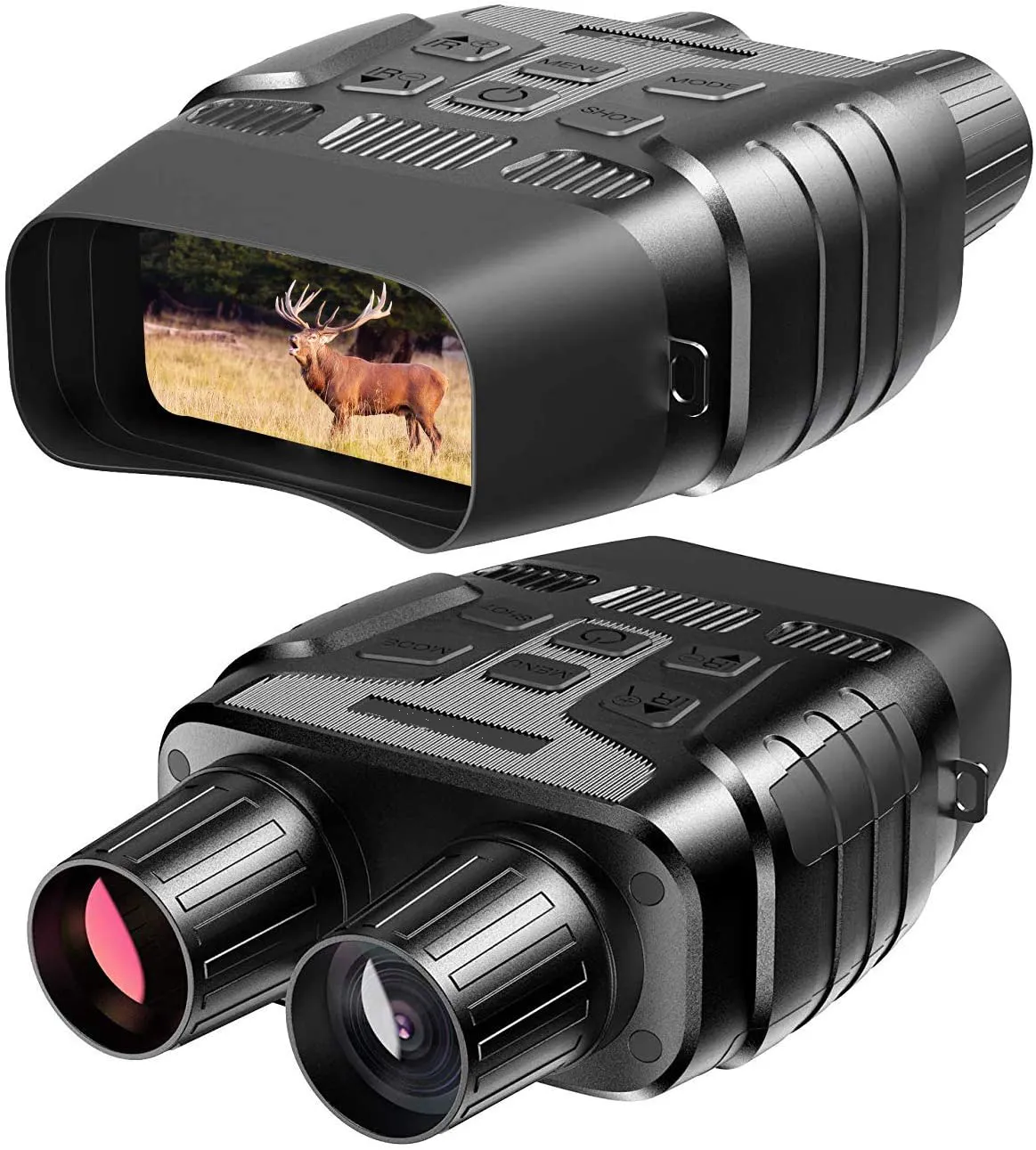 Buy NowSee More: Wholesale Products
Portability: Depending on your needs, you may want to consider the portability of your telescope. If you plan to travel with your telescope or move it frequently, a smaller, lighter model may be more practical. On the other hand, if you plan to keep your telescope set up in a fixed location, a larger, heavier model may be more suitable.
Brand reputation: Finally, it's worth considering the reputation of the brand you're considering. Look for reviews and ratings from other users, and pay attention to any warranties or guarantees offered by the manufacturer.
With these factors in mind, let's take a closer look at some of the most popular telescope models on the market:
1. Celestron PowerSeeker 127EQ
The Celestron PowerSeeker 127EQ is an excellent choice for beginners, with an aperture of 127mm and a focal length of 1000mm. It comes with an equatorial mount for smooth tracking, and its lightweight design makes it easy to transport. The PowerSeeker also includes a range of accessories, including two eyepieces, a Barlow lens, and a finder scope.
2. Orion SkyQuest XT8 Classic Dobsonian Telescope
For more experienced astronomers, the Orion SkyQuest XT8 offers a larger aperture of 203mm and a focal length of 1200mm. Its Dobsonian mount provides stable support and easy movement, and its large base makes it ideal for viewing from a fixed location. The SkyQuest XT8 also includes a range of high-quality accessories, such as a 2" Crayford-style focuser and a 28mm DeepView eyepiece.
3. Meade Instruments ETX125 Observer Telescope
The Meade Instruments ETX125 Observer is a high-end option for serious astronomers. With a large aperture of 127mm and a focal length of 1900mm, it offers exceptional image quality and detail. Its computerized GoTo mount allows for precise tracking and easy navigation of the night sky, and its compact design makes it easy to transport. The ETX125 Observer also includes a range of advanced features, such as built-in GPS and automatic alignment.
2. Choose between refracting or reflecting telescopes.
In this article, we will help you narrow down your choices between refracting or reflecting telescopes.
Refracting Telescopes
Refracting telescopes, also known as "dioptric" telescopes, use lenses instead of mirrors to gather and focus light. They are the most common type of telescope and have been used since the 17th century. Refracting telescopes usually have a long, thin tube with a large glass lens at the front end, which collects and focuses light onto a smaller lens or mirror located at the other end of the tube. The eyepiece is then used to magnify the image formed by this second lens or mirror.
One of the main advantages of refracting telescopes is their simplicity, making them ideal for beginners. Since these telescopes are sealed, they require minimal maintenance and are less prone to dust or debris build-up. Furthermore, they provide clear, high-contrast images, which makes them perfect for viewing planets, the moon, and double stars.
Another advantage of refracting telescopes is that they are more portable than their reflecting counterparts. Refracting telescopes are typically lightweight, compact, and easy to set up. This makes them ideal for those who want to take their telescope on the go or who have limited storage space.
Reflecting Telescopes
Reflecting telescopes, also known as "Newtonian" telescopes, use mirrors to gather and focus light. The first reflecting telescope was invented by Sir Isaac Newton in the 17th century. Reflecting telescopes usually have a large, concave mirror at the bottom of a long, open tube. This mirror reflects the light, which is then focused onto a smaller mirror at the top of the tube, which reflects the light back down to an eyepiece located near the bottom of the tube.
One of the advantages of reflecting telescopes is that they are less expensive than refracting telescopes of the same size. They are also generally better for deep-sky objects like galaxies and nebulae, as they have a wider field of view than refracting telescopes. Additionally, reflecting telescopes are easier to manufacture, which means they can be produced with larger apertures at a lower cost.
However, one of the downsides of reflecting telescopes is that they require regular maintenance. Due to their open design, the mirrors are exposed to dust and debris, which can affect image quality. Cleaning the mirrors properly can be a time-consuming process and requires precision to avoid scratching the surface of the mirrors.
Choosing Between Refracting and Reflecting Telescopes
When choosing between refracting and reflecting telescopes, consider what you want to observe and your budget. If you are interested in observing planets or the moon and have a limited budget, a refracting telescope may be the best option for you. If you are interested in deep-sky objects and have a larger budget, a reflecting telescope may provide better results.
Ultimately, the decision comes down to personal preference and what you want to observe. Both types of telescopes have their advantages and disadvantages, so it's important to do your research before making a purchase. Also, make sure to choose a reputable brand and retailer, to ensure that you get a quality product that will last for years to come.
Conclusion
3. Research aperture, focal length, and magnification.
1. Determine Your Budget
The first thing you need to consider when buying a telescope is your budget. Telescopes range from a few hundred dollars to several thousands of dollars, so it's important to set a budget that suits your needs and preferences. Keep in mind that while cheaper telescopes may seem like a good deal, they may not provide the best viewing experience. On the other hand, more expensive telescopes offer better optics, durability, and features.
2. Decide on the Type of Telescope
There are three main types of telescopes: refractor, reflector, and compound telescopes. Each type has its own advantages and disadvantages, so it's important to understand what type of telescope suits your needs.
Refractor telescopes use lenses to focus light and create images. These telescopes are ideal for beginners because they're easy to use and require little maintenance. However, refractor telescopes are more expensive than other types and don't offer the same magnification as larger telescopes.
Reflector telescopes, on the other hand, use mirrors to reflect light and create images. They're usually less expensive than refractors and offer better magnification. Reflector telescopes require more maintenance than refractors because their mirrors need to be aligned properly.
Compound telescopes, also known as catadioptric telescopes, use a combination of lenses and mirrors to create images. These telescopes are usually compact and portable, making them ideal for stargazing on the go. However, compound telescopes are more expensive than other types and may require more maintenance.
3. Research Aperture, Focal Length, and Magnification
Once you've decided on the type of telescope you want, it's time to look at its aperture, focal length, and magnification. These three factors determine the quality of the image you see through the telescope.
Aperture refers to the diameter of the telescope's primary lens or mirror. The larger the aperture, the more light the telescope can gather, which means brighter and clearer images. A good rule of thumb is to choose a telescope with an aperture of at least 70mm for a refractor telescope and at least 130mm for a reflector or compound telescope.
Focal length refers to the distance between the primary lens or mirror and the point where the image is formed. A longer focal length means higher magnification, but it also means a narrower field of view. A shorter focal length means a wider field of view, but lower magnification. A good focal length for a beginner's telescope is around 500mm.
Magnification refers to how much closer the telescope makes objects appear. While high magnification may sound desirable, it's not always the best choice. Too much magnification can make images appear blurry and dim. A good rule of thumb is to choose a telescope with a magnification range of 25x to 50x per inch of aperture.
4. Consider Additional Features
Finally, you may want to consider additional features that come with the telescope, such as computerized tracking, motorized mounts, and eyepieces. Computerized tracking allows the telescope to follow celestial objects automatically, while motorized mounts help you move the telescope smoothly. Eyepieces are important because they determine the magnification and field of view of the telescope.
Conclusion
4. Look for portability and ease of use.
1. Aperture Size
One of the most crucial factors to look for when buying a telescope is its aperture size. The aperture is the diameter of the telescope's main lens or mirror, and it directly affects the amount of light the telescope gathers and the level of detail visible through it. A larger aperture means brighter and clearer images and more significant details. Therefore, if you want to see faint objects like galaxies and nebulas, you should go for a telescope with a larger aperture.
2. Types of Telescopes
There are three main types of telescopes: refractor, reflector, and compound (also known as catadioptric). Each has its advantages and disadvantages, depending on your preferences and intended usage. Refractors are great for crisp and sharp images but tend to have smaller apertures and can be expensive. Reflectors provide larger apertures and are more affordable, but they require frequent maintenance. Compound telescopes combine the benefits of both types and are highly portable, but their cost can be a bit steep.
3. Mount Type
The mount is the piece that holds the telescope steady and allows you to aim it at the object you want to observe. There are two primary types of mounts: the alt-azimuth (AZ) and the equatorial (EQ). Alt-azimuth mounts are simpler and more intuitive to use, making them ideal for beginners or casual stargazers. Equatorial mounts are more complicated but offer smoother and more precise tracking, making them better suited for astrophotography and advanced observing.
4. Portability and Ease of Use
When it comes to stargazing, the best telescope is the one you'll actually use. Therefore, portability and ease of use should be high on your priority list. If you're planning to travel to dark-sky locations, you'll want a telescope that's lightweight and easy to set up and take down. Similarly, if you're a beginner or have limited storage space, you might prefer a telescope that doesn't require much assembly or adjustment.
5. Accessories
Finally, don't forget to consider additional accessories that can enhance your stargazing experience. Eyepieces, filters, and finderscopes are all essential pieces of equipment that can help you see more details and make the most out of your telescope. However, keep in mind that some telescopes come with low-quality accessories, so be prepared to invest in higher-quality ones if needed.
5. Read reviews and consult with experts before purchasing.
If you're new to the world of stargazing and telescopes, there are a few key factors to consider before making a purchase. By keeping these things in mind, you'll be able to choose the right telescope for your needs and budget.
1. Consider Your Budget
One of the first things to think about when purchasing a telescope is how much you're willing to spend. Telescopes can range in price from under $100 to several thousand dollars, depending on the type, features, and quality.
While it may be tempting to opt for the cheapest option available, keep in mind that cheaper telescopes may not offer the best image quality or durability. It's important to find a balance between what you can afford and what will provide you with a satisfying stargazing experience.
2. Decide What You Want to Observe
Another important factor to consider when choosing a telescope is what celestial objects you want to observe. Some telescopes are better suited for viewing planets, while others are designed for deep-sky objects like galaxies and nebulae.
Think about what you're most interested in observing, and choose a telescope with the appropriate aperture, focal length, and magnification to enhance your viewing experience.
3. Choose the Right Type of Telescope
There are three main types of telescopes: refracting, reflecting, and catadioptric. Each type has its own advantages and disadvantages, and the right one for you will depend on your individual needs and preferences.
Refracting telescopes use lenses to gather and focus light, which can provide sharp and clear images. Reflecting telescopes use mirrors to gather and reflect light, and are often more affordable than refracting telescopes.
Catadioptric telescopes combine both lenses and mirrors to gather and focus light, and are known for their compact size and portability. Consider the pros and cons of each type before making a decision.
4. Look for Quality Construction
When purchasing a telescope, it's important to choose one with quality construction. Look for sturdy materials, well-built mounts, and smooth-moving controls.
A poorly constructed telescope can make stargazing frustrating and difficult, so don't skimp on quality. It's worth spending a little extra money for a telescope that will last for years to come.
5. Read Reviews and Consult with Experts
Finally, before making a final decision on a telescope, be sure to read reviews from other stargazers who have purchased and used the same model. Reading reviews can give you an idea of the quality and performance of the telescope, and can help you make an informed decision.
Additionally, consider speaking with experts in the field, such as astronomy professors, observatory staff, or experienced amateur astronomers. These individuals can often provide valuable insights and advice on choosing the right telescope for your needs.
In conclusion, choosing the right telescope for stargazing can be a daunting task, but by considering your budget, desired observations, type of telescope, construction quality, reading reviews and consulting with experts, you'll be well on your way to a rewarding stargazing experience.
