
What Professional Cameras Do I Need for Photography?
Upload time :October 4, 2023
Shares
Reads
If you are looking to take your photography skills to the next level, it's important to invest in professional-grade cameras that meet your specific needs. To determine what type of camera is right for you, consider your photography needs first. Once you have a clear idea of what you want to capture and how, research different camera features and specifications to find one that will suit your style. Don't forget to consider lenses and accessories as well, since these can greatly enhance your shots. Of course, budgeting for high-quality equipment is also important, so be prepared to invest accordingly. Ultimately, the key is to select a camera that is tailored to your needs and skill level. By carefully considering all of these factors and investing in quality equipment, you can take your photography to the next level and capture stunning images that truly showcase your creativity and vision.
1. Determine your photography needs
In this article, we will outline the key factors to consider when choosing a professional camera for photography. By following these tips, you can ensure that you select a camera that is perfect for your specific needs.
1. Determine your photography needs
The first step in selecting a professional camera is to determine your specific photography needs. What type of photography do you plan on pursuing? Will you be working in a studio setting or taking photos on location?
If you plan on shooting portraits, fashion, or commercial photography, you may want to consider a full-frame camera that offers high resolution and low light capabilities. For landscape or wildlife photography, you may prefer a camera with a longer zoom lens and weather sealing.
2. Consider the Camera Type
Once you've determined your photography needs, you'll need to choose the type of camera that will best suit those needs. There are three main types of cameras: DSLRs, mirrorless cameras, and point-and-shoot cameras.
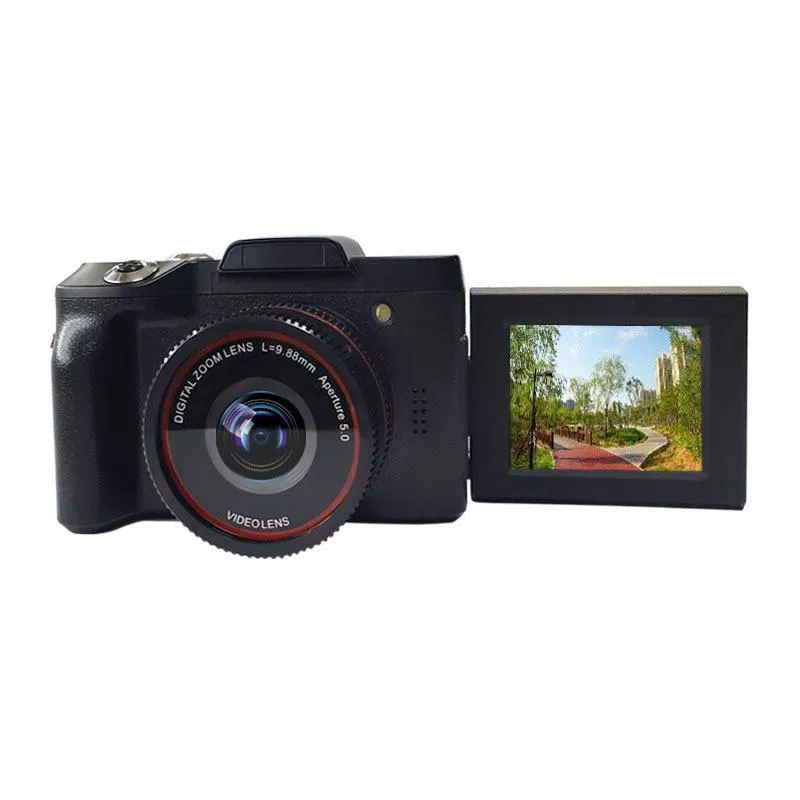
Buy Now
See More: Wholesale Products
DSLRs (Digital single-lens reflex) are popular among professionals due to their versatility, interchangeable lenses, and high-quality image sensors. They can handle a wide range of shooting situations and offer great control over depth-of-field, shutter speed, and ISO.
Mirrorless cameras, on the other hand, have gained popularity in recent years due to their smaller form factor, lighter weight, and silent operation. They also provide excellent image quality and fast autofocus performance.
Point-and-shoot cameras are compact and convenient, making them ideal for travel or casual photography. They typically have small image sensors and fixed lenses, making them less versatile than DSLRs or mirrorless cameras.
3. Image Quality
Image quality is essential for professional photography, and it's determined by a combination of factors such as sensor size, resolution, dynamic range, and noise performance.
Full-frame DSLRs and mirrorless cameras offer better image quality due to their larger sensors and higher resolution. However, APS-C and micro four-thirds cameras can still produce sharp and detailed images at a lower cost.
4. Autofocus Performance
Fast and accurate autofocus is critical for capturing sharp images, especially when photographing moving subjects. The latest DSLRs and mirrorless cameras have advanced autofocus systems that track subjects across the frame and work well in low light conditions.
5. Video Capabilities
Video has become an essential part of professional photography, and many clients now require both photography and videography services. Therefore, you should consider a camera that can shoot high-quality video with good audio capabilities.
DSLRs and mirrorless cameras are capable of shooting 4K video with manual controls and external microphone inputs. Some models even offer advanced video features like slow-motion capture, log profiles, and focus peaking.
6. Ergonomics
Ergonomics refer to the camera's design, grip, and button layout. An ergonomic camera is comfortable to hold, easy to use, and allows for quick access to essential functions.
DSLRs are typically larger and heavier, making them more challenging to carry around all day, especially with heavy lenses attached. Mirrorless cameras are smaller and lighter, making them more portable but may feel cramped for people with large hands.
7. Price
Lastly, price is always a significant factor when purchasing any piece of equipment. Professional-level cameras can cost thousands of dollars, so it's essential to choose one that fits your budget while still meeting your photography needs.
DSLRs tend to be more expensive than mirrorless cameras, but they offer better battery life and wider lens options. Mirrorless cameras are cheaper, smaller, and offer many advanced features compared to DSLRs.
Conclusion
2. Research camera features and specifications
First, let's define what we mean by "professional camera." Generally, a professional camera refers to a high-end camera with advanced features, manual controls, and interchangeable lenses. These cameras are typically used by professional photographers or serious amateurs who want more control over their images. Some examples of professional cameras include DSLRs (digital single-lens reflex), mirrorless cameras, medium format cameras, and film cameras.
So, what professional cameras do you need for photography? The answer depends on the type of photography you'll be doing. For example, if you're interested in landscape photography, you may need a camera with a wide-angle lens and good low-light capabilities. If you're interested in portrait photography, you may need a camera with a fast shutter speed and a large sensor to capture fine details.
To determine what type of camera you need, start by researching the different types of cameras available. Look at the specifications and features of each camera to determine which ones will meet your needs. Here are some factors to consider:
1. Sensor size: The size of the camera's sensor determines how much light it can capture and how much detail it can resolve. Generally, larger sensors produce better image quality, but they also tend to be more expensive.
2. Megapixels: The number of megapixels a camera has determines how much detail it can capture. However, more megapixels doesn't always mean better image quality. A higher megapixel count can lead to noise and other image artifacts.
3. Lens mount: If you plan on using interchangeable lenses, make sure the camera you choose has a compatible lens mount. Some popular lens mounts include Canon EF, Nikon F, Sony E, and Micro Four Thirds.
4. ISO range: The ISO range determines how sensitive the camera is to light. A camera with a wider ISO range can handle a wider variety of lighting conditions.See More: What are the Best Zoom Lighting Tips for Video Conferencing Success?
5. Autofocus system: The autofocus system determines how quickly and accurately the camera can focus on a subject. Look for a camera with a fast and reliable autofocus system.
6. Video capabilities: If you plan on shooting video as well as stills, look for a camera with good video capabilities. This includes features like 4K resolution, high frame rates, and built-in stabilization.
7. Build quality: Professional cameras are built to last, so look for a camera with a durable construction. This includes weather sealing, metal body, and rugged buttons and dials.See More: "What are the Best Ways to Push Buttons?" - A Comprehensive Guide to Button Controls
Once you've narrowed down your options based on these factors, read reviews and watch sample images and videos from each camera to get a sense of its strengths and weaknesses. You may also want to rent or borrow a camera before making a purchase to test it out in real-world situations.
In addition to the camera itself, you'll also need to consider the accessories you'll need to use it effectively. This includes lenses, memory cards, tripods, and other equipment. Research the compatibility of these accessories with your chosen camera to ensure they work together properly.
3. Consider lenses and accessories
1. Camera Body
The camera body is the foundation of your photography kit. It's important to choose one that meets your specific needs. There are several factors to consider when selecting a camera body, including image quality, autofocus performance, weather sealing, and shooting speed.
Image Quality: Professional photographers need high-quality images to showcase their work. A camera with a large sensor size will produce cleaner and sharper images than a smaller sensor. Full-frame sensors are larger and more expensive, but they offer the best image quality.
Autofocus Performance: Fast and accurate autofocus is crucial for capturing sharp photos. Look for a camera with advanced autofocus features such as face detection, eye-tracking, and phase-detection autofocus for better results.
Weather Sealing: If you plan to shoot in harsh conditions, such as rain or snow, weather-sealed cameras will protect your gear from damage.
Shooting Speed: Shooting speed refers to how quickly a camera can take pictures in burst mode. Cameras with faster shooting speeds are ideal for action photography or events where you need to capture multiple frames per second.
2. Lens Selection
Lenses are just as important as the camera body when it comes to creating high-quality images. Choosing the right lens depends on what type of photography you do.
Prime lenses have a fixed focal length, which means you can't zoom in or out. However, they offer superior image quality, allowing you to create stunning portraits or landscapes with beautiful bokeh.
Zoom lenses are more versatile and allow you to zoom in and out of a scene. They're great for event photography or situations where you need to change your focal length quickly.
Wide-angle lenses are ideal for landscape photography, while telephoto lenses are excellent for wildlife or sports photography. Macro lenses let you get up close and personal with tiny subjects, while tilt-shift lenses are perfect for architectural photography.
3. Accessories
Accessories can help you get more out of your camera and lenses. Here are a few accessories to consider:
Tripod: A tripod is essential for slow shutter speed photography or when shooting in low light. It keeps your camera steady and helps eliminate camera shake.
Flash: A flash can improve your lighting in dimly lit environments. You can also use it for creative lighting effects.
Filters: Filters can improve the colors and contrast in your images. Polarizing filters reduce glare and reflections, while neutral density filters help you control the amount of light entering your camera.
Memory Cards: Memory cards store your photos and videos. Choose one with a fast write speed for quick file transfers and efficient camera operation.
Camera Bag: A camera bag protects your gear and makes it easier to carry your equipment. Choose one with enough space for all your equipment and comfortable straps for long periods of wear.See More: ashionable Women's Camera Bags: Combining Style and Functionalit
4. Budget accordingly
1. Sensor size
One of the most important features to consider when choosing a professional camera is the size of its sensor. A larger sensor will capture more light, resulting in better image quality and less noise in low-light situations. Full-frame sensors are considered the gold standard for professional cameras, but they come with a higher price tag. APS-C sensors are a good choice for those on a tighter budget, as they still offer excellent image quality but at a lower cost.
2. Megapixels
While megapixels aren't everything, they do play a role in determining the level of detail in your images. As a general rule, more megapixels equate to more detail, but be careful not to get caught up in the numbers game. A 20-megapixel camera isn't necessarily better than a 12-megapixel camera if the other features and specifications don't measure up.
3. Lens compatibility
Another important consideration when choosing a professional camera is lens compatibility. If you already have a collection of lenses, make sure the camera you choose is compatible with them. Otherwise, you'll need to factor in the cost of buying new lenses into your budget.
4. Budget accordingly
Speaking of budget, it's important to set a realistic one before shopping for a professional camera. While it may be tempting to go for the most expensive option, it's not always necessary. Consider what features and specifications are most important to you and prioritize accordingly. Remember, a camera is just one part of the equation - you'll also need to factor in the cost of lenses, memory cards, tripods, and other accessories.
5. Brand and model
There are plenty of reputable camera brands on the market, each with their own strengths and weaknesses. Nikon and Canon are two of the most popular brands among professional photographers, but Sony, Fujifilm, and Pentax also offer excellent options. When choosing a model, it's important to do your research and read reviews from other photographers to ensure it meets your needs and expectations.
6. Additional features
Finally, there are a number of additional features to consider when choosing a professional camera. These include:
- Autofocus: Look for a camera with a fast and accurate autofocus system, particularly if you plan on shooting sports or wildlife.See More: The Rise of Shooting Sports: A Beginner's Guide
- ISO range: A camera with a high ISO range (e.g. 3200 or above) will perform better in low-light situations.
- Video capabilities: If you plan on shooting video as well as stills, look for a camera with good video capabilities.
- Weather sealing: If you plan on shooting in challenging weather conditions, look for a camera with weather-sealing to protect it from moisture and dust.
5. Invest in quality equipment
Professional cameras come in various forms and models, each with its unique features that serve distinct purposes. Some are ideal for wedding photography, while others are perfect for landscape photography. Therefore, before purchasing any camera, consider the type of photography you want to do and the features that will best meet your needs.
Below are some factors to consider when buying professional cameras:
1. Image Quality
The image quality of a camera determines the clarity, sharpness, and color accuracy of the images it produces. If you're looking to produce high-quality images, invest in a camera with an excellent sensor. The sensor size affects image quality, especially in low light conditions. Cameras with larger sensors tend to produce high-quality images than those with smaller sensors.
2. Lens Quality
The lens you use plays a crucial role in determining the visual quality of your photographs. When selecting lenses, pay attention to their aperture ranges, focal lengths, and zoom ratios. High-quality lenses allow more light to enter the camera, resulting in brighter, clearer images.
3. Speed
Speed is another important consideration when purchasing a professional camera. The camera's shutter speed determines how fast it takes pictures. Cameras with faster shutter speeds are suitable for sports and wildlife photography, where quick movements are involved.
4. Durability
If you plan to use your camera regularly or in harsh conditions, durability is crucial. Consider purchasing a weather-resistant camera if you frequently photograph outdoor events or in extreme weather conditions.
5. Invest in Quality EquipmentSee More: Why Cutting Corners on Equipment Quality Can Cost You More in the Long Run
Finally, investing in high-quality equipment is essential for producing high-quality images. While professional cameras come at a higher price point, they offer the best value for your money, considering their advanced features and longer lifespan.
In conclusion, selecting the right camera depends on the type of photography you plan to pursue. By focusing on factors such as image quality, lens quality, speed, durability, and investing in quality equipment, you can achieve your desired results and produce outstanding photographs. Remember, the equipment you use is a significant investment in your craft and can make a significant difference in the quality of your work.
Recommended related content
What are the Best Clamp Lights for Photography and Video?
What Does a Camera Professional Do? Exploring the World of Photography.
How to Choose the Best Camera Set for Your Photography Needs
