
The Science Behind High-Performance Biking Clothing
Upload time :April 17, 2025
Shares
Reads
- Layered clothing works best for unpredictable weather. It allows you to add or remove layers as temperatures fluctuate.
- Waterproof gear protects you from unexpected rain, keeping you dry and comfortable.
- Lightweight, high-performance gear prevents overloading your bikepacking bags, especially on long-distance rides.
title: "The Science Behind High-Performance Biking Clothing"
description: "High-performance biking clothing uses advanced fabrics and designs to reduce drag, manage sweat, and improve comfort, boosting cycling performance and endurance."
slug: "science-high-performance-biking-clothing"
featured_image: "https://statics.mylandingpages.co/static/aaanxdmf26c522mpaaafqf7enm2fbvwo/image/3c5c0a483b28496a87e87fd59a536691.webp"
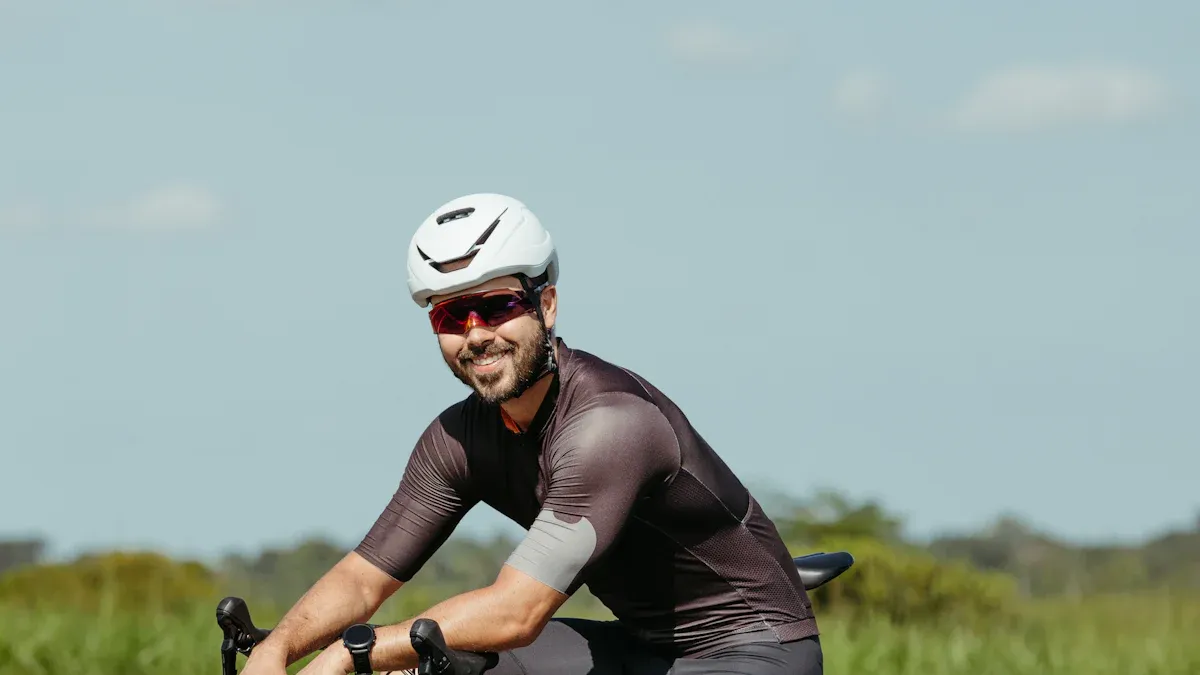
High-performance biking clothing uses advanced science and engineering to boost your cycling performance. Specialized designs reduce drag, helping you maintain faster speeds with less effort. Synthetic fabrics enhance exercise performance by managing sweat and keeping your skin cool. For example, studies show that synthetic cycling apparel can cut a 20-km time trial by 15.7 seconds while improving clothing comfort. These innovations ensure you stay comfortable and focused, even during intense rides. Whether you're an athlete or a casual cyclist, the right cycling apparel can transform your biking experience.
Aerodynamics in High-Performance Biking Clothing
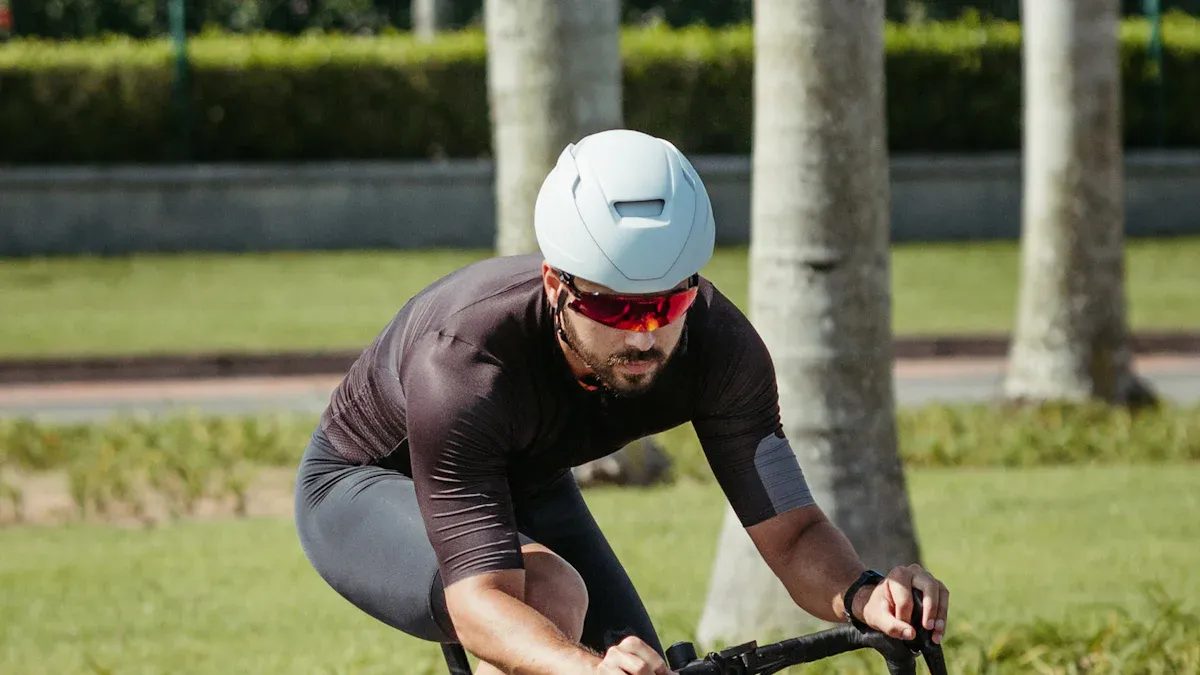
Reducing Drag Through Design
When you cycle, air resistance becomes one of the biggest challenges to overcome. Cycling jerseys are designed to minimize this resistance by streamlining your body. Designers use advanced materials and shapes to reduce drag and improve exercise performance. For example, studies show that adjusting a cyclist's hip angle to 12° can decrease power output by 16 watts, making pedaling more efficient. Similarly, wind tunnel tests reveal that aerodynamic drag can be significantly reduced by optimizing the surface of cycling skinsuits. These innovations allow athletes to conserve energy and maintain higher speeds.
Seamless Construction for Speed
Seams on a jersey can disrupt airflow, increasing air resistance. To combat this, manufacturers create cycling jerseys with seamless construction. This design ensures a smooth surface, allowing air to flow more efficiently around your body. Research on cycling skinsuits highlights how fabric surface modifications can reduce air resistance by 4–8%. By eliminating unnecessary seams, these jerseys not only enhance speed but also improve comfort during long rides.
Examples of Aerodynamic Cycling Jerseys
Real-world examples demonstrate the effectiveness of aerodynamically superior clothing. The Nike Swift Spin project, for instance, developed a time trial suit that saved approximately 44 seconds over a 55-km race. This suit contributed to multiple world records and Olympic medals. Additionally, cycling skinsuits with textured fabrics have shown a 7.5% reduction in drag coefficients during wind tunnel tests. These advancements prove that the right cycling jersey design can make a significant difference in performance.
Investing in aerodynamic cycling jerseys can help you achieve better results, whether you're competing or enjoying a casual ride.
Fabric Technology for Enhancing Performance
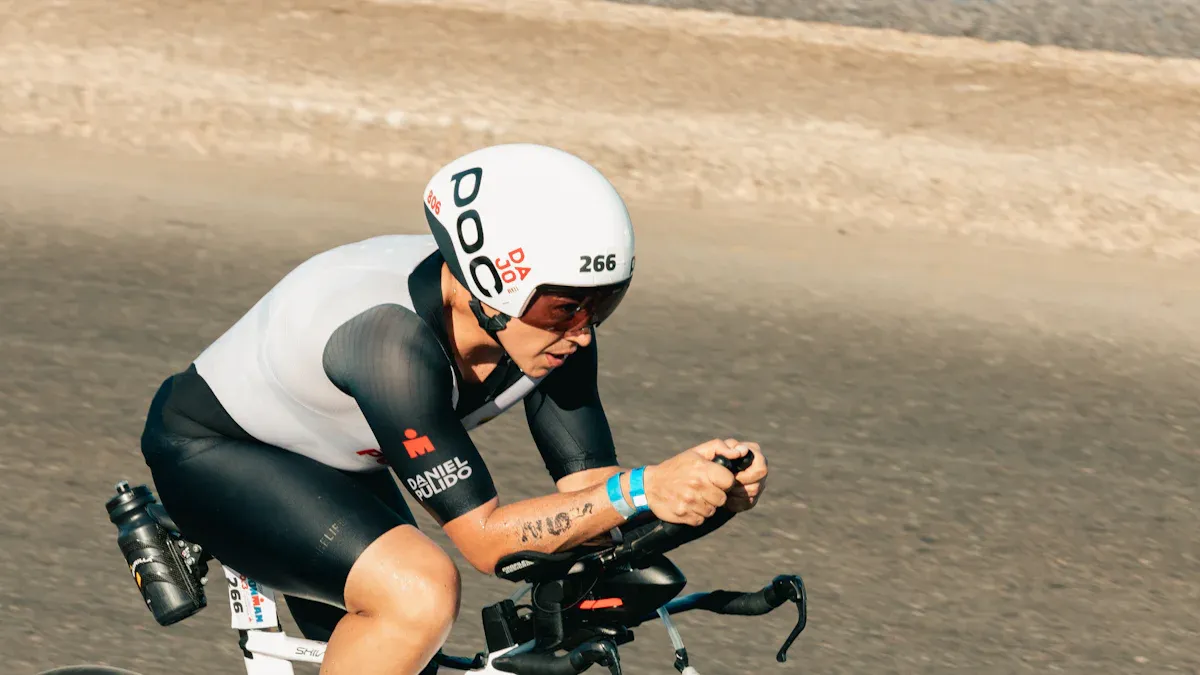
Moisture-Wicking and Sweat Management
Cycling generates sweat, which can lead to discomfort and reduced exercise performance if not managed effectively. Moisture-wicking fabrics play a crucial role in keeping you dry by pulling sweat away from your skin and allowing it to evaporate quickly. Advanced materials use hydrophobic and hydrophilic layers to enhance this process, ensuring your body stays cool and comfortable during intense rides.
A study from the University of Colorado at Boulder highlights the efficiency of 37.5 cooling technology in managing sweat. This technology lowers core temperature, increases energy efficiency, and extends athletic performance. By wearing cycling apparel with moisture-wicking properties, you can maintain focus and perform at your best, even in challenging conditions.
Breathability and Ventilation
Breathability in cycling clothing ensures proper airflow, reducing thermal strain and improving comfort. Fabrics like Tencel and polyester mesh excel in enhancing airflow, allowing heat and moisture to escape efficiently. This feature is especially important for athletes cycling in hot weather, as it helps regulate body temperature and prevents overheating.
Research shows that breathable materials reduce exertion by lowering VO2 and heart rate values. Tencel fabric, in particular, provides superior heat and moisture transfer, enabling you to sustain performance for longer periods. By choosing cycling apparel with excellent breathability, you can enjoy a more comfortable and efficient ride.
Thermoregulation for Different Conditions
Thermoregulation is essential for maintaining optimal body temperature during cycling. Advanced fabrics incorporate phase-change materials (PCMs) that stabilize body temperature in varying weather conditions. These materials absorb, store, and release heat as needed, ensuring you stay warm in cold weather and cool in hot climates.
Cycling apparel with thermoregulation features also includes UV protection, shielding you from harmful rays during long rides. This combination of technologies not only enhances comfort but also boosts exercise performance by reducing the impact of external factors on your body. Investing in high-performance clothing with thermoregulation capabilities ensures you’re prepared for any weather or terrain.
Tip: Look for cycling jerseys with a balance of moisture-wicking, breathability, and thermoregulation to maximize your performance and comfort.
Compression and Fit in Cycling Equipment
Supporting Muscles and Reducing Fatigue
Compression gear plays a vital role in supporting your muscles during cycling. By applying gentle pressure, these garments improve blood flow, delivering oxygen to your muscles more efficiently. This can help delay fatigue, especially during long rides. A study published in the International Journal of Sports Physiology and Performance found that compression garments may enhance performance under low-oxygen conditions. Cyclists wearing compression tights also showed better endurance in back-to-back trials, according to research by Matt Driller, PhD. However, some experts believe the benefits might be psychological rather than physiological. Regardless, many athletes find compression gear helpful for maintaining focus and reducing muscle strain.
Compression for Recovery and Performance
Recovery is just as important as performance. Compression clothing can aid in post-ride recovery by reducing muscle soreness and improving circulation. Studies comparing compression garments to traditional clothing reveal mixed results. For example:
| Study Type | Findings | Comparison |
|-------------------------|-------------------------------------------------------------------------|----------------------------------------|
| Cycling Time Trial | Positive effect of lower body compression garments on performance | Compression garments vs. traditional clothing |
| Heart Rate Recovery | No significant difference in HR after half-hour recovery | Compression garments vs. traditional clothing |
| Lactate Removal | Faster post-exercise lactate removal with compression stockings | Compression stockings vs. without compression |
While the physiological benefits may vary, many cyclists report feeling less fatigued after wearing compression gear. This makes it a popular choice for both performance and recovery.
Achieving the Perfect Fit
Proper fit is essential for maximizing the benefits of compression gear. Ill-fitting clothing can cause discomfort and reduce its effectiveness. When choosing cycling suits or full-body cycling suits, look for garments that contour to your body without restricting movement. A snug fit ensures optimal compression, reduces air resistance, and enhances exercise performance. Testing different sizes and styles can help you find the perfect balance between comfort and functionality.
Tip: Always prioritize fit when selecting cycling gear to ensure you get the most out of your rides.
Comfort and Durability in Cycling Jerseys
Ergonomic Design for Long-Distance Comfort
Cycling jerseys designed for long-distance cycling prioritize your comfort by incorporating ergonomic features. These jerseys move naturally with your body, reducing strain and preventing discomfort during extended rides. For example, designs that allow natural seat movement help eliminate pressure on sensitive areas, ensuring you avoid numbness. Improved ergonomics also promote better posture, which prevents back and hip strain. This combination of features enhances your cycling efficiency and endurance, allowing you to ride longer without sacrificing comfort.
A study on ergonomic designs highlights the benefits of these features:
| Feature | Benefit |
|--------------------------------|-------------------------------------------------------------------------|
| Natural Seat Movement | Moves with your legs, reducing strain and preventing discomfort. |
| Improved Ergonomics | Promotes better posture, preventing back and hip strain. |
| No More Numbness | Eliminates pressure on sensitive areas, enhancing comfort on long rides.|
| Enhanced Performance | Increases cycling efficiency and endurance, allowing for longer rides. |
When choosing bike jerseys for long-distance cycling, look for these ergonomic elements to maximize your clothing comfort and exercise performance.
Durable Materials for Intense Use
Cycling jerseys must withstand intense use while maintaining their functionality. Manufacturers use durable materials like polyester and nylon, which are known for their moisture-wicking properties and resistance to wear and tear. These fabrics are also lightweight and quick-drying, ensuring they perform well under challenging conditions.
Durability tests on cycling jerseys include:
- Breathability: Observed by covering a cup of boiling water with the fabric to see how quickly vapor disperses.
- Moisture absorption: Evaluated by pouring water on the material to check if it absorbs quickly or beads up.
- Fast drying: Assessed by timing how quickly the fabric dries after washing or during use.
- UV protection: Determined by checking UPF ratings to ensure adequate sun protection.
These tests ensure that your jersey can handle the demands of cycling while keeping you comfortable and protected.
Balancing Lightweight Design with Longevity
Cycling jerseys must strike a balance between being lightweight and durable. Lightweight designs reduce air resistance, helping you maintain speed and efficiency. However, they must also withstand repeated use and harsh conditions. Functional features like ventilation panels enhance breathability and prevent overheating, improving your clothing comfort without compromising durability.
Different fit types also influence this balance:
| Fit Type | Description | Comfort Level | Durability Level |
|------------------|-----------------------------------------------------------------------------|---------------|------------------|
| Relaxed fit | Extra room for casual riders, prioritizing comfort. | High | Moderate |
| Performance fit | Tighter fit for better aerodynamics, suitable for serious cyclists. | Moderate | High |
| Race fit | Snug fit designed for maximum speed and efficiency in races. | Low | High |
When selecting tight cycling jerseys, consider your needs. A performance fit offers a good balance of comfort and durability, while a race fit maximizes speed by reducing air resistance.
Tip: Choose cycling jerseys made from breathable, lightweight, and quick-drying materials to ensure they last while keeping you comfortable on every ride.
Choosing the Right High-Performance Biking Clothing
Matching Clothing to Weather and Terrain
Selecting the right cycling jerseys and gear for different weather and terrain conditions can significantly impact your comfort and exercise performance. You need to consider how the environment affects your ride and choose clothing that adapts to these changes.
For example, a lightweight jersey with moisture-wicking properties is ideal for hot climates, while a thermal jersey with windproof panels suits cold or windy conditions. Matching your clothing to the terrain and weather ensures you stay focused and perform at your best.
Tip: Always check the weather forecast and terrain before choosing your cycling equipment.
Testing Fit and Comfort Before Purchase
Testing the fit and comfort of cycling jerseys is essential to ensure they meet your needs. Modern technologies make this process more accurate and efficient.
| Method/Technology | Description |
|--------------------------|-----------------------------------------------------------------------------|
| 3D Modeling | Uses CAD software to create virtual prototypes based on your body measurements. |
| Fabric Property Module | Simulates how fabrics interact with your body, ensuring optimal comfort. |
| Virtual Pattern Sewing | Tests garment patterns on 3D models, considering fabric performance. |
| Pressure Mapping | Evaluates pressure distribution, especially useful for compression sportswear. |
These methods help you find jerseys that fit snugly without restricting movement. A well-fitted jersey enhances clothing comfort, reduces drag, and improves exercise performance.
Tip: Try on different sizes and styles to find the perfect fit for your body type.
Balancing Budget and Performance Needs
Balancing your budget with performance needs can be challenging, but it’s possible to find quality cycling equipment at various price points. While high-performance gear often offers superior features like advanced fabrics and aerodynamic designs, budget-friendly options can still provide decent functionality for recreational riders.
For instance, the Pure Cycles Drop Bar Road Bike, priced at around $500, delivers satisfactory performance for casual cyclists. On the other hand, the Specialized Allez Elite, priced at $1,350, offers enhanced features like better components and ride quality. This shows that you can find value in both budget and premium options depending on your cycling goals.
Investing in high-quality cycling jerseys and gear ensures durability and comfort, making it a worthwhile expense for serious athletes and enthusiasts alike.
Tip: Prioritize features like fit, fabric quality, and durability when shopping for cycling gear, regardless of your budget.
High-performance biking clothing combines science and engineering to improve your cycling experience. Features like aerodynamics, fabric technology, and compression help athletes perform better while staying comfortable. Investing in quality cycling gear ensures durability and enhances your rides. Whether you aim to compete or enjoy casual rides, choosing the right apparel can make a significant difference. Always consider your goals and test options to find what works best for you.
Tip: Prioritize comfort and functionality when selecting cycling clothing to maximize your performance.
FAQ
What makes high-performance biking clothing different from regular sportswear?
High-performance biking clothing uses advanced materials and designs to improve aerodynamics, comfort, and durability. It manages sweat, regulates temperature, and reduces drag, helping you perform better during cycling. Regular sportswear lacks these specialized features.
How do I choose the right size for cycling jerseys?
Always check the sizing chart provided by the manufacturer. Look for a snug fit that doesn’t restrict movement. Test the jersey by moving your arms and torso to ensure it stays comfortable during cycling.
Can I wear high-performance biking clothing in all weather conditions?
Yes, but you need to choose the right gear for the weather. Lightweight, moisture-wicking jerseys work well in hot climates. Thermal and waterproof options are better for cold or rainy conditions. Layering can also help you adapt to changing weather.
Is compression clothing necessary for casual cyclists?
Compression clothing isn’t essential for casual riders, but it can improve comfort and reduce muscle fatigue during longer rides. It also aids recovery after cycling. If you ride occasionally, focus on comfort and fit instead.
How do I maintain my cycling gear?
Wash your gear in cold water with mild detergent. Avoid fabric softeners and high heat when drying. Store your clothing in a cool, dry place to maintain its durability and performance.
