
The Advantages and Disadvantages of Using Micro Cameras for Security
Upload time :December 13, 2023
Shares
Reads
Micro cameras are an excellent security option for those looking for a discreet and efficient alternative to traditional security systems. Small in size, they can be easily hidden or blended into surroundings, providing high-resolution footage for clear evidence of any security breaches. Remote accessibility through mobile devices or computers adds to their convenience, making them cost-effective compared to traditional systems. However, the limited coverage area due to their size and dependency on lighting for accurate footage might pose a problem. Vulnerability to hacking and privacy concerns, lack of audio recording capabilities, and inability to deter potential intruders due to their discreet nature are also some of their drawbacks. Traditional security systems like CCTV and alarm systems have their own strengths and weaknesses, making it important to identify specific needs and circumstances before choosing the right system.
Introduction to Micro Cameras for Security
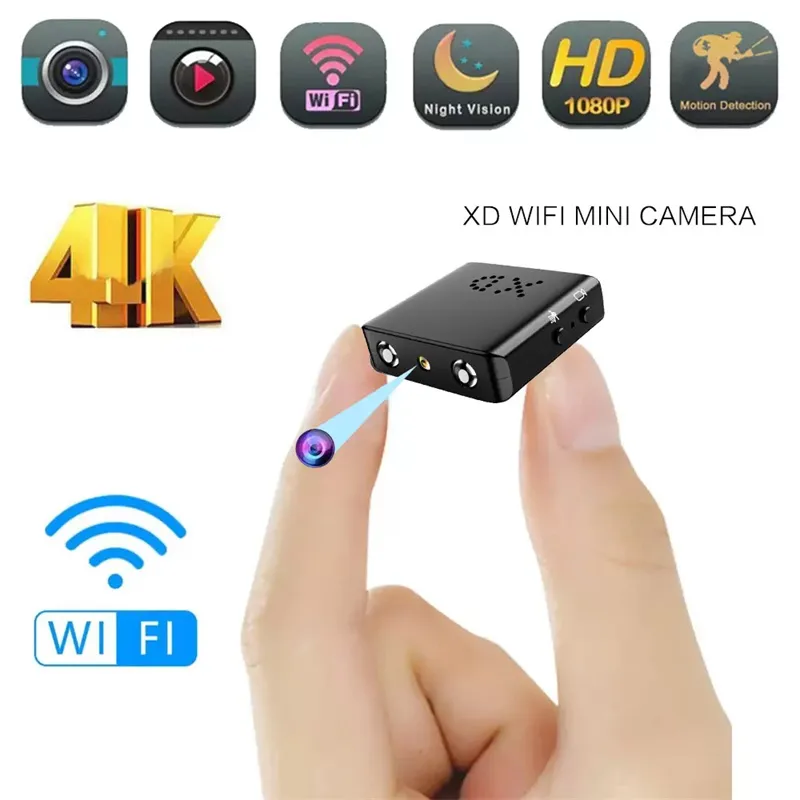
Micro cameras work by capturing video or images through a lens, which is then transmitted to a monitoring device or recording system. They are equipped with various features such as motion detection, night vision, and remote access, making them efficient and reliable for security purposes. Micro cameras come in different shapes and sizes, ranging from standalone units to tiny cameras that can be embedded in everyday objects such as pens, clocks, and even smoke detectors.
One of the main advantages of micro cameras is their size. Their miniature size allows them to be hidden from view, making it difficult for intruders to detect them. This makes them ideal for capturing footage of criminals without alerting them, leading to better evidence collection and increased chances of apprehending perpetrators.
Another advantage of micro cameras is their versatility. They can be used in various settings, such as homes, offices, retail stores, and warehouses. They can also be used for personal use, such as monitoring children or pets at home. With the help of mobile apps and cloud storage, users can remotely access the footage captured by the camera, providing greater peace of mind and security.
Micro cameras are also cost-effective compared to traditional security cameras. They have lower installation and maintenance costs, making them a more affordable option for those who want to improve their security but are on a budget. Some micro cameras are battery-powered, eliminating the need for electrical wiring, which further reduces installation costs.
Advantages of Using Micro Cameras for Security
One of the most significant benefits of Micro Cameras is their small size, which allows for easy hiding and blending with surroundings. These cameras can be installed in various locations, including behind objects or within small spaces, without being detected. As a result, intruders are less likely to avoid detection, giving you increased protection.
Another advantage of Micro Cameras is their high resolution and quality footage. These cameras capture clear images and videos, making it easier to identify suspects in case of a security breach. This enables law enforcement agencies to track down perpetrators and bring them to justice. The footage from these cameras can also serve as evidence in court, making them even more valuable.
Remote viewing and accessibility through mobile devices or computers is another benefit of Micro Cameras. You can view live feeds and recorded footage from your camera on your phone or computer from anywhere in the world. This feature provides you with peace of mind knowing that you can check on your property at any time, even when you are away.
Micro Cameras are also cost-effective compared to traditional security systems. They require minimal hardware, which reduces installation and maintenance costs. You don't need to install additional wiring or complicated hardware, which makes Micro Cameras a budget-friendly option for homeowners and businesses alike.
Finally, the installation and set up process for Micro Cameras is straightforward and easy. You do not need to hire a professional installer or spend hours studying manuals to get your system up and running. Most cameras come with user-friendly instructions that make installation a breeze.
Disadvantages of Using Micro Cameras for Security
One major disadvantage of micro cameras is their limited coverage area. Due to their small size, they can only capture a narrow field of view, which may not be enough to cover an entire room or outdoor space. This means that multiple cameras may be required to provide adequate coverage, which can increase the cost of installation.
Another issue with micro cameras is their dependence on adequate lighting for accurate footage. Low-light conditions can result in blurry or grainy images, making it difficult to identify intruders or other suspicious activity. This means that additional lighting may need to be installed, which can also add to the overall cost of the system.
Privacy concerns are another drawback of using micro cameras for security. Since these cameras are often placed in sensitive areas such as bedrooms or bathrooms, there is a risk of invasion of privacy. In addition, micro cameras can be vulnerable to hacking, which can compromise the security of the system and put the homeowner or business owner at risk.
One limitation of micro cameras is their inability to record audio. While video footage can be useful for identifying intruders or suspicious behavior, audio recordings can provide additional context and evidence. Without audio capabilities, micro cameras may not be able to capture important information that could aid in an investigation.
Finally, micro cameras may not be as effective in deterring potential intruders compared to larger, more visible cameras. Since micro cameras are discreet and easily concealed, they may not be noticed by criminals and therefore may not serve as a deterrent. This means that additional security measures may be necessary to complement the use of micro cameras.
Comparison to Traditional Security Systems
CCTV systems are widely used for surveillance purposes. They consist of cameras that record video footage and transmit it to a monitor or recording device. These systems are ideal for large areas, and multiple cameras can be synchronized to cover a vast area. On the other hand, micro cameras are compact and designed to blend in with their surroundings. Unlike CCTV systems, they can be easily concealed and placed in inconspicuous locations. These features make them ideal for discreet surveillance needs.
One of the significant advantages of traditional security systems such as CCTV is their ability to record high-quality videos. These videos can be used as evidence in case of any crime or security breach. However, one of the weaknesses of CCTV systems is their inability to prevent crimes from occurring. They only serve the purpose of recording the incident, which may not always be helpful in preventing future crimes. Additionally, CCTV systems require cables and wiring, making them difficult to install in certain locations.
Micro cameras, on the other hand, provide the advantage of real-time monitoring. With the help of an internet connection, micro cameras can be accessed remotely, allowing users to view live footage at any time. This feature makes them convenient for use in homes and workplaces where people need to be alerted immediately if there is an intrusion. Moreover, unlike CCTV systems, micro cameras do not require any wiring, making them easy to install and move around as per requirement.
Another advantage of micro cameras is their size. Due to their miniature design, they can be placed in tight spaces and areas where traditional security systems may not fit. This unique feature of micro cameras makes them ideal for use in vehicles, backpacks, and small items that require constant monitoring.
Conclusion and Recommendations
Advantages of Micro Cameras:
One of the biggest advantages of micro cameras is their size. Because they are so small, they can be placed in inconspicuous locations where traditional security cameras may not fit or be noticed. This makes them ideal for covert surveillance operations.
Another advantage of micro cameras is their cost. They are generally more affordable than larger security cameras, which makes them a great option for those on a budget.
Additionally, micro cameras are often wireless and can transmit footage directly to a computer or mobile device. This means that users can monitor their property in real-time from anywhere with an internet connection.
Disadvantages of Micro Cameras:
Despite their size and affordability, micro cameras do have some disadvantages. For one, they typically have a shorter battery life than larger cameras and may need to be recharged or replaced more frequently.
Another potential drawback is their image quality. Because they are so small, the lenses on micro cameras are often smaller as well, which can result in lower quality video footage.
Finally, it's important to note that the use of micro cameras may not be legal in all situations. In some cases, they may violate privacy laws or other regulations, and users could face legal consequences for using them improperly.
Recommendations for Businesses or Individuals Considering Micro Cameras:
Before investing in micro cameras for security, it's important to consider your specific needs and circumstances. For example, if you're looking for a camera that can be hidden from view, a micro camera may be the best option. However, if you need high-quality footage for identification purposes, a larger camera may be a better choice.
It's also important to consider any legal restrictions on the use of micro cameras. Depending on where you live and how you plan to use the cameras, you may need to obtain permission from local authorities or comply with specific regulations.
Finally, it's worth noting that while micro cameras can be effective for certain security needs, they should not be relied upon solely. A comprehensive security plan should include a variety of measures, such as alarms, lighting, and physical barriers, in addition to cameras.
In conclusion, micro cameras can be a useful tool for security, but they are not without their limitations. By carefully considering their advantages and disadvantages, and taking into account your specific needs and circumstances, you can determine whether they are the right choice for your security plan.
FAQ
Q1. What are the advantages of using micro cameras for security?
- One of the primary advantages of micro cameras is their small size, making them easy to conceal in inconspicuous places.
- They are cost-effective, making them a popular option for both commercial and residential properties.
- Micro cameras can be easily integrated into existing security systems, providing enhanced surveillance capabilities.
- Many models come equipped with features such as motion detection and remote viewing, allowing for convenient monitoring from anywhere.
Q2. What are the disadvantages of using micro cameras for security?
- While their small size may be an advantage in terms of concealment, it also means that they have limited range and field of view, which can affect their effectiveness in certain situations.
- The image quality of micro cameras may not be as high as larger cameras, which can impact their usefulness in identifying suspects or gathering evidence.
- Some people may feel uncomfortable with the idea of being constantly monitored, even if it is for security purposes.
- Privacy concerns may also arise when micro cameras are used in public spaces without consent or knowledge of those being recorded.
Q3. Are micro cameras legal to use for security purposes?
- The legality of using micro cameras varies by jurisdiction and intended use. In general, it is legal to use micro cameras for security purposes on your own property or in areas where there is no reasonable expectation of privacy.
- However, using micro cameras in public spaces or in areas where there is a reasonable expectation of privacy (e.g. bathrooms, changing rooms) is typically illegal and can result in criminal charges.
- It is important to research and understand local laws and regulations before installing micro cameras for security purposes.
Q4. Can micro cameras replace traditional security measures?
- While micro cameras can provide valuable surveillance footage, they should not be relied upon as the sole form of security.
- Traditional security measures such as locks, alarms, and physical barriers are still important for deterring potential intruders and preventing unauthorized access.
- Additionally, micro cameras may not be able to capture all angles or provide sufficient coverage in larger areas, making them better suited as a supplement to other security measures rather than a replacement.
Buy Now
See More: Wholesale Products
Recommended related content
The Advantages and Disadvantages of Using Blank Lures in Freshwater vs Saltwater Fishing
The Advantages and Disadvantages of Buying a PC vs Laptop
The Benefits of Using Quick Connects for DIY Projects
The Pros and Cons of Using Microfiber Cleaning Towels for Your Home Cleaning Needs
The Benefits and Drawbacks of Using a Cigarette Roller for Your Tobacco Needs
