
A Comprehensive Guide to Handlebars for Road Bikes: Everything You Need to Know"
Upload time :August 31, 2023
Shares
Reads
Handlebars are an essential component of a road bike, providing comfort, safety and performance. There are various types of handlebars available in the market, each with its own features to cater to different riding styles and preferences. When choosing handlebars, factors such as comfort and fit, aerodynamics, and riding style should be taken into consideration. The article outlines the common shapes of handlebars, including drop, flat, aero, bullhorn, and riser handles. It also provides guidance on how to install and adjust handlebars properly for optimal comfort and performance. Maintenance and upgrades for handlebars are also discussed, including cost-effective upgrades for budget-conscious cyclists. This article is ideal for handlebars for road bikes consumers who want to make informed decisions when purchasing handlebars for their road bikes.
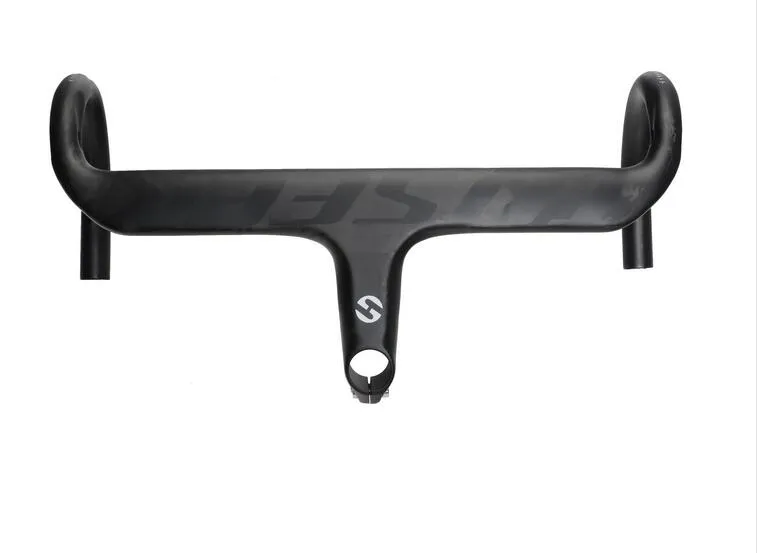 Buy NowSee More: Wholesale Products
Introduction to Handlebars for Road Bikes
When it comes to road cycling, handlebars are an essential component of the bike. They serve as the point of contact between the rider and their machine, providing support, control, and comfort. The right handlebar can make all the difference when it comes to achieving your cycling goals. In this guide, we will explore the importance of handlebars in road cycling and the types of handlebars available in the market to help you make an informed decision as a consumer.
Importance of Handlebars in Road Cycling
Handlebars are an integral part of the bike's design, and they serve several critical functions. Firstly, they provide the necessary support and control for the rider to navigate different terrains. They also allow the rider to adjust their position on the bike as needed for maximum efficiency and comfort. Additionally, handlebars play a role in aerodynamics, which is crucial for competitive road cyclists looking to shave off valuable seconds from their time trials. Overall, the handlebars are essential to the performance and comfort of any road bike.
Types of Handlebars Available in the Market
There are several types of handlebars available in the market, each with its unique features and benefits. Here are some of the most common handlebars you will come across:
1. Drop Bars
Drop bars are the most popular handlebar type used in road cycling. They are characterized by their curved shape that drops downwards and outwards towards the end of the bar. This design allows riders to achieve an aerodynamic riding position while still maintaining full control of the bike. Drop bars come in various widths, shapes, and materials to suit different needs, preferences, and budgets.
2. Flat Bars
Flat bars are generally found on hybrid or fitness bikes but are occasionally used in road cycling. They offer a more upright riding position, making them suitable for riders who find drop bars too aggressive. Flat bars are also easier to maneuver through tight spaces and are ideal for urban or commuter cycling.
3. Aero Bars
Aero bars are a type of extension bar that attaches to the base bar of the drop handlebars. They are designed to allow for a more aerodynamic riding position, with the rider's arms resting parallel to the ground. Aero bars are primarily used in time trial events where speed is paramount.
4. Bullhorns
Bullhorns are similar in shape to drop bars but without the curved drop section. Instead, they have straight extensions protruding outwards from the bar's center, making them resemble bull horns. Bullhorns provide a variety of hand positions, making them ideal for long-distance cycling.
Factors to Consider when Choosing Handlebars
Comfort and fit should be at the forefront of every rider's mind when selecting handlebars. The right handlebar should provide a comfortable grip for your hands and allow you to maintain a natural posture while riding. The width of the handlebar should also be considered as it directly affects the stability of the bike. A wider bar provides more stability but may not be ideal for riders with narrower shoulders. Handlebars come in different shapes such as flat or drop bars. Flat bars offer an upright position and are popular for leisurely rides while drop bars provide a more aerodynamic position suitable for longer rides and racing events.
Riding style and preference is another factor to consider when picking handlebars. Some riders prefer a more aggressive riding position while others prefer a more relaxed one. Determine what type of riding you will be doing and choose a handlebar that suits your needs. If you are into touring, a butterfly-shaped handlebar can provide multiple hand positions for long-distance rides. Adventure riders may opt for handlebars with a flared shape that offers better control on rough terrain. For those keen on racing, lightweight and aerodynamic handlebars like clip-ons may be the way to go.
Aerodynamics and speed are essential factors to consider, especially for competitive riders. Handlebars play an integral role in making a bike more streamlined. Aerodynamic bars offer a more streamlined profile by reducing wind resistance and improving speed. Triathlon handlebars, also known as aero bars, are designed to provide a low and aerodynamic riding position suitable for time trials and triathlons. Riders who want to achieve high speeds can also consider investing in carbon fiber handlebars, which are lighter than aluminum, reduce vibration, and increase stiffness, enhancing power transfer.
Common Handlebar Shapes and their Features
Drop handlebars are the most popular type found on road bikes. They are designed for speed and aerodynamics, with a curve that drops down and away from the rider. This shape allows for multiple hand positions, including a low, forward position for fast riding or a higher, more upright position for comfort on longer rides. The drop handlebars provide excellent control and stability for high-speed descents.
Flat handlebars are typically found on mountain bikes and hybrid bikes. They offer a more upright position for riders, making them ideal for leisurely rides or commuting. Flat handlebars are also wider than other types, providing more leverage and easier control for off-road cycling. They are often paired with ergonomic grips that reduce strain on the hands and wrists.
Aero handlebars are a specific type of drop handlebar that is designed for competitive racing. These handlebars feature a streamlined shape that reduces wind resistance and improves aerodynamics. Aero handlebars provide a lower position for the rider, reducing drag and allowing for faster speeds on flat terrain. The downside of these handlebars is that they offer fewer hand positions, limiting their use for long-distance riding.
Bullhorn handlebars are similar to drop handlebars but have a straighter shape that extends forward before curving up. This design allows for multiple hand positions, including a forward-facing position that provides better leverage for climbing. Bullhorn handlebars are commonly used on track bikes and are becoming popular on urban fixed-gear bikes due to their stylish appearance.
Risers are the most common type of handlebar found on mountain bikes. They are designed to provide a more upright position for riders, making it easier to navigate rough terrain. Risers are also wider than other types of handlebars, providing more control and stability on technical trails. They are often paired with shorter stems to provide a more responsive handling experience.
Installing and Adjusting Handlebars
The first step in installing handlebars is ensuring you have the appropriate tools. Most handlebars come with a standard diameter of 31.8mm, which requires a 4 or 5mm Allen wrench to tighten the bolts that attach the stem to the handlebars. Additionally, a torque wrench is necessary to ensure the handlebar bolts are tightened to the manufacturer's recommended torque range.
Once you have the necessary tools, it's time to install the handlebars. The first step is to remove the old handlebars and clean the stem area thoroughly. Next, place the new handlebars on top of the stem and align them correctly with the front wheel. Tighten the bolts using the appropriate torque setting until the handlebars are snugly in place.
Proper height and angle adjustment is essential for maximum comfort and performance while riding. Handlebars that are too high or too low can cause discomfort and pain in the back, neck, and arms, while poorly adjusted angles can reduce your ability to turn and control the bike.
To adjust the height of the handlebars, loosen the stem bolts and move the handlebars up or down until they're at the desired height. Ideally, the handlebars should be at the same level as the saddle or slightly higher for a more upright riding position.
The angle of the handlebars also plays a crucial role in comfort and performance. To adjust the angle, loosen the stem bolts again and adjust the handlebars' angle until they're comfortable and allow for easy control of the bike. Generally, flat handlebars should be parallel to the ground, while drop handlebars should have a slight downward angle.
Maintenance and Upgrades for Handlebars
One of the most important aspects of maintaining your handlebars is regular check-ups and cleaning. Over time, dirt and debris can accumulate on the handlebars, which can cause unwanted wear and tear. Regular cleaning can help prevent this and extend the lifespan of your handlebars. To clean your handlebars, use a mild soap or detergent, warm water, and a soft cloth. Make sure to dry them thoroughly after washing to prevent rust from forming.
Another way to improve the performance and comfort of your road bike is by upgrading your handlebars. Upgrading your handlebars can make a significant difference in how your bike feels and handles. There are many different types of handlebars available, each with its own unique benefits. For example, drop bars are great for high-speed riding and racing, while flat bars are better suited for more casual riding.
When choosing new handlebars, it is essential to consider factors such as your riding style, body type, and budget. Some handlebars can be quite expensive, so it is essential to weigh the cost against the benefits of the upgrade. However, even if you are on a tight budget, there are still some cost-effective upgrades you can make to your handlebars. For example, adding bar tape or grips can improve your grip and comfort without breaking the bank.
In conclusion, maintaining and upgrading your handlebars is key to ensuring optimal performance and comfort while riding your road bike. Regular check-ups and cleaning can help prevent unnecessary wear and tear, while upgrading to the right handlebars can make all the difference in how your bike feels and handles. Whether you are a professional cyclist or a casual rider, taking care of your handlebars should be a top priority to get the most out of your road bike.
FAQ
Q1. What are the different types of handlebars available for road bikes?
There are several types of handlebars available for road bikes including drop bars, flat bars, bullhorns, and aero bars. Drop bars are the most common type of handlebars found on road bikes and provide multiple hand positions for comfort and control. Flat bars are straight across and provide a more upright riding position. Bullhorns curve upward and allow for a more aggressive riding position. Aero bars are typically used by competitive cyclists and offer an aerodynamic advantage.
Q2. How do I choose the right handlebar size for my road bike?
Determining the correct size handlebars for your road bike can be done by measuring your shoulder width and selecting a bar that is slightly wider. It's important to ensure that the bar is comfortable and allows for proper hand placement.
Q3. Can I install new handlebars on my road bike myself?
Installing new handlebars on your road bike can be done at home with the proper tools and knowledge. However, if you're unsure about the process, it's best to have a professional bike mechanic install them for you. This will ensure that they are installed correctly and safely.
Q4. How often should I replace my handlebars on my road bike?
Handlebars on road bikes should be inspected regularly for any signs of damage or wear. If there are any cracks, dents, or other damage, the handlebars should be replaced immediately. Additionally, if you notice any changes in the way your bike handles or if the handlebars become loose, it may be time for a replacement. Most handlebars should last several years with regular use and maintenance.
