
The Ultimate Guide to Growing Seed Flowers Tips and Tricks for a Beautiful Garden
Upload time :September 7, 2023
Shares
Reads
Summary: This blog post will provide expert tips and tricks for growing beautiful seed flowers in your garden. From selecting the right seeds to planting and caring for your flowers, you'll learn everything you need to know to create a stunning floral display.
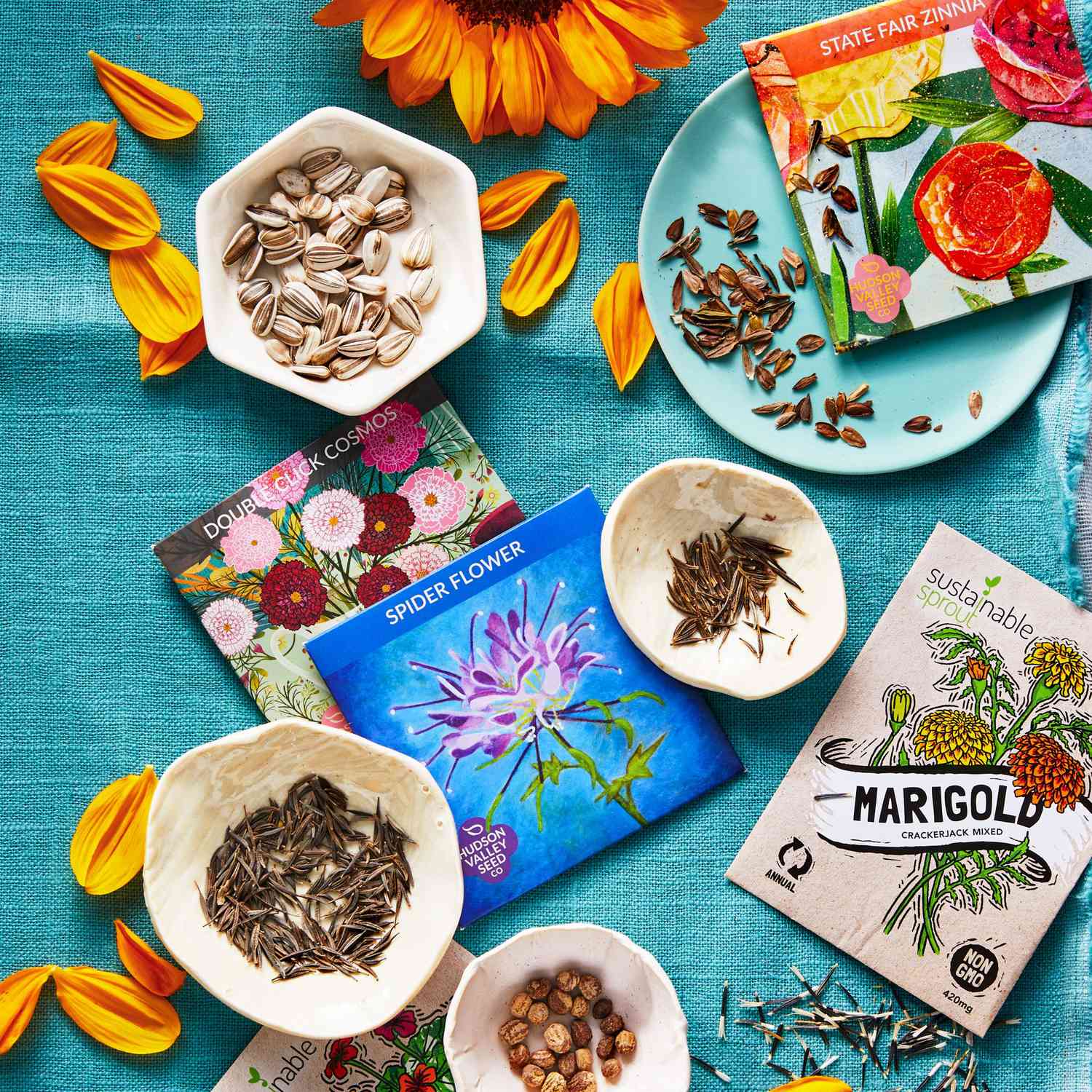
Choosing the Right Seed Flowers
When it comes to growing seed flowers, choosing the right variety is key. This section will cover the different types of seed flowers available, how to select seeds based on your climate and growing conditions, and where to purchase high-quality seeds.
Choosing the right seed flowers involves considering various factors, such as your location, climate, soil type, sun exposure, and personal preferences. Here are some steps to guide you in selecting the ideal seed flowers for your garden:
1. Know Your Climate and Growing Zone:
·Determine your hardiness zone to understand the types of flowers that can thrive in your specific climate. This information will help you choose flowers that are more likely to survive and flourish in your area.
2. Sunlight Requirements:
·Observe your garden's sun exposure throughout the day. Some flowers require full sun, while others prefer partial shade. Choose seeds that match the sunlight conditions of your garden.
3. Soil Type and pH:
·Assess your soil type (sandy, loamy, clayey) and pH level. Some flowers prefer well-draining soil, while others thrive in more moisture-retentive soil. Adjust the soil conditions, if necessary, to suit your chosen flowers.
4. Consider Your Garden Space:
·Evaluate the available space in your garden. Choose flowers that fit the size and scale of your garden, whether it's a small flower bed, a large landscape, or containers on a balcony.
5. Purpose and Design:
·Decide on the purpose of your flower garden. Are you looking for flowers to attract pollinators, provide cut flowers for arrangements, or create a colorful display? Consider the design and color scheme you want to achieve.
6. Flowering Season:
·Choose flowers with different bloom times to have a continuous display of color throughout the growing season. This will ensure that your garden remains vibrant and appealing year-round.
7. Native and Adaptive Plants:
·Consider incorporating native plants or adaptive varieties that are well-suited to your region's conditions. These plants are more likely to thrive with minimal care and maintenance.
8. Research and Recommendations:
·Research specific seed flowers you are interested in growing. Read about their growth habits, care requirements, and any potential issues they may encounter. Seek recommendations from local gardeners or nurseries.
9. Start with Easy-to-Grow Flowers:
·If you are new to gardening, start with easy-to-grow flowers that are more forgiving to beginner mistakes. Marigolds, zinnias, sunflowers, and cosmos are some examples of easy-to-grow flowers from seeds.
10. Quality Seeds:
·Purchase high-quality seeds from reputable sources. Quality seeds have better germination rates and are more likely to produce healthy and robust plants.
Remember that gardening is a rewarding and enjoyable experience. Don't be afraid to experiment with different seed flowers and learn from the process. Over time, you'll gain insights into which flowers thrive best in your garden, leading to a beautiful and flourishing floral display that brings joy and beauty to your outdoor space.
Planting and Caring for Seed Flowers
Once you've selected your seed flowers, it's important to know how to plant and care for them properly. This section will cover the best practices for planting seed flowers, including soil preparation and watering techniques. We'll also discuss common pests and diseases that can affect seed flowers and how to prevent them.
Planting and caring for seed flowers is a rewarding process that allows you to watch your garden bloom and flourish. Here are step-by-step instructions to guide you through planting and caring for seed flowers:
1. Preparing the Soil:
·Choose a sunny location with well-draining soil. Remove weeds, rocks, and debris from the area to provide a clean planting space.
2. Sowing the Seeds:
- Follow the specific instructions on the seed packet for the optimal planting time and depth. Some seeds can be sown directly into the garden soil, while others may require starting indoors and transplanting later.
3. Watering:
·Keep the soil consistently moist but not waterlogged during the germination phase. Once the seedlings emerge, water them regularly, providing about 1 inch of water per week.
4. Thinning Seedlings:
·If the seedlings are overcrowded, thin them out to allow enough space for each plant to grow properly. Follow the recommended spacing on the seed packet.
5. Mulching:
·Apply a layer of organic mulch around the base of the plants to retain moisture, suppress weeds, and regulate soil temperature.
6. Fertilizing:
·Apply a balanced fertilizer according to the package instructions. Avoid over-fertilizing, as excessive nutrients can lead to weak growth or burn the plants.
7. Providing Support (if needed):
·Some seed flowers, such as tall varieties of sunflowers or sweet peas, may require support as they grow. Stake or provide trellises to support the plants and prevent them from bending or breaking.
8. Deadheading (for continuous blooming):
·Remove spent flowers (deadhead) regularly to encourage continuous blooming and prevent the plants from putting energy into seed production.
9. Pest and Disease Management:
·Monitor your plants regularly for signs of pests or diseases. Apply appropriate organic or chemical treatments if necessary, following label instructions.
10. Protection from Extreme Weather:
·Protect your seed flowers from extreme weather conditions, such as strong winds, heavy rain, or frost. Use plant covers or move potted plants indoors if needed.
11. Regular Care and Maintenance:
·Regularly inspect your garden for any issues and address them promptly. Regular care, including watering, weeding, and grooming, will promote healthy growth and flowering.
12. Harvesting (if applicable):
·If you are growing seed flowers for cut flowers or seeds, harvest them at the appropriate time. Follow specific guidelines for each flower type to ensure proper harvest and seed collection.
Remember that different seed flowers may have specific care requirements, so it's essential to familiarize yourself with the needs of each flower variety you are planting. Gardening is a learning process, and observing your plants' growth and behavior will help you fine-tune your care routine over time. With proper attention and care, your seed flowers will bloom beautifully and reward you with a colorful and vibrant garden.
Creative Ways to Use Seed Flowers
In addition to adding color and beauty to your garden, seed flowers can be used in a variety of creative ways. This section will explore different ways to use seed flowers, such as in floral arrangements and as natural dyes for fabric. We'll also discuss the benefits of using seed flowers in cooking and how to incorporate them into your favorite recipes.
Seed flowers offer endless possibilities for creative and imaginative uses beyond traditional garden planting. Here are some creative ways to use seed flowers:
1. Flower Arrangements and Bouquets:
·Grow a variety of seed flowers to create stunning and unique flower arrangements and bouquets. Mix and match different colors, shapes, and textures to design captivating floral displays for special occasions or home décor.
2. Dried Flower Crafts:
·Dry seed flowers and use them in various crafts such as making potpourri, creating pressed flower art, or crafting dried flower wreaths and arrangements.
3. Seed Bombs and Guerrilla Gardening:
·Make seed bombs by mixing seeds with clay and compost. Toss these seed bombs in bare or neglected areas to encourage wildflower growth, promoting biodiversity and beautifying urban spaces through guerrilla gardening.
4. Flower Petal Confetti:
·Collect and dry the petals of seed flowers to create natural, biodegradable confetti for weddings, celebrations, or other joyous occasions.
5. Floral Jewelry and Accessories:
·Use dried seed flowers to make unique floral jewelry pieces, such as resin pendants, earrings, or floral hairpins. These accessories add a touch of nature-inspired charm to your style.
6. Natural Dyeing:
·Extract colors from seed flowers to create natural dyes for fabrics, yarns, or Easter eggs. Experiment with different flowers to obtain a range of hues.
7. Homemade Greeting Cards:
·Incorporate pressed or dried seed flowers into handmade greeting cards for a personal and heartfelt touch.
8. Floral Ice Cubes:
·Freeze seed flowers in ice cubes to add an elegant touch to drinks and cocktails at parties or gatherings.
9. Flower-Infused Skincare:
·Use dried seed flowers to make floral-infused oils or balms for skincare products. The natural essence of the flowers can enhance the scent and properties of the products.
10. Table Centerpieces and Decorations:
·Create charming centerpieces and table decorations by arranging seed flowers in vases, mason jars, or decorative containers. These arrangements add a fresh and cheerful atmosphere to any gathering.
11. Edible Flower Delights:
·Grow edible seed flowers and use them to garnish salads, desserts, and beverages. Flowers such as nasturtiums, pansies, and calendula are not only beautiful but also add a delightful flavor to culinary creations.
**12. Flower Crowns and Garlands:**
·Use seed flowers to craft whimsical flower crowns or garlands for festivals, weddings, or children's dress-up play.
The versatility of seed flowers offers an array of possibilities for creative expression and natural beauty in various aspects of life. From home decorations to handmade crafts and culinary delights, these flowers bring joy and a touch of nature's wonder to any endeavor. Let your imagination run wild, and explore the many ways you can incorporate seed flowers into your creative projects.
Using seed flowers in cooking can add a delightful touch of color, flavor, and nutrition to your favorite recipes. Here are some benefits of incorporating seed flowers into your culinary creations and ways to use them:
Benefits of Using Seed Flowers in Cooking:
1. **Visual Appeal:** Seed flowers add vibrant colors and visually appealing elements to dishes, enhancing their presentation and making them more enticing.
2. **Unique Flavor:** Many seed flowers offer unique flavors, ranging from mild to peppery or sweet, which can elevate the taste profile of your dishes.
3. **Nutritional Value:** Seed flowers are often rich in antioxidants, vitamins, and minerals, contributing to the overall nutritional content of your meals.
4. **Edible Garnishes:** Seed flowers serve as edible garnishes, adding a touch of elegance and creativity to salads, desserts, beverages, and more.
5. **Biodiversity:** Incorporating seed flowers encourages biodiversity and supports pollinators, promoting a healthier ecosystem.
How to Incorporate Seed Flowers into Your Favorite Recipes:
1. **Salads:** Add fresh seed flowers like nasturtiums, pansies, or calendula to salads for a burst of color and a mild peppery or tangy flavor.
2. **Herbal Teas:** Create soothing and aromatic herbal teas by adding dried chamomile or lavender flowers to hot water.
3. **Infused Vinegars and Oils:** Infuse vinegars or oils with seed flowers to impart delicate floral notes. Use these infused liquids in dressings, marinades, or for drizzling over dishes.
4. **Flower Butter:** Mix finely chopped seed flowers into softened butter to create a unique and visually appealing spread for bread, scones, or muffins.
5. **Frozen Treats:** Freeze seed flowers into ice cubes or popsicles to add a touch of elegance and flavor to cold beverages and desserts.
6. **Petals in Desserts:** Decorate cakes, cupcakes, or tarts with edible seed flowers like violets or rose petals for a touch of natural beauty.
7. **Savory Dishes:** Use seed flowers to garnish savory dishes like risottos, pasta dishes, or quiches, providing a delicate and artistic touch.
8. **Homemade Syrups:** Make floral syrups with seed flowers like hibiscus or elderflower to drizzle over pancakes, waffles, or ice cream.
9. **Stuffed Flowers:** Stuff flowers like zucchini blossoms with cheese or other fillings and cook them for a delectable and visually stunning appetizer.
10. **Floral Ice Cream:** Infuse cream with seed flowers and use it to make floral-flavored ice cream or sorbet.
Important Tips:
Only use seed flowers that are specifically labeled as edible and have not been treated with chemicals or pesticides.
Always wash the seed flowers thoroughly before using them in your dishes.
Use seed flowers sparingly, as their flavors can be potent. A little goes a long way.
Before incorporating seed flowers into your recipes, it's a good idea to research the specific varieties you plan to use and try small amounts to determine their taste and compatibility with your dishes. By experimenting with seed flowers, you can add a touch of culinary creativity and nature's beauty to your favorite meals, making them memorable and delightful experiences for your taste buds and visual senses alike.
Questions and Answers:
Q1: What are the best seed flowers for beginners?
A1: For beginners, we recommend starting with easy-to-grow varieties like sunflowers, zinnias, and marigolds.
Q2: How often should I water my seed flowers?
A2: Water requirements vary depending on the type of seed flower and your climate. As a general rule, most seed flowers require regular watering, about 1-2 inches per week.
Q3: Can I save seeds from my seed flowers for next year's garden?
A3: Yes, you can collect and save seeds from your seed flowers for next year's garden. Be sure to store them in a cool, dry place and label them with the variety and date collected.
 Buy NowSee More: Wholesale Products
