
nderstanding the Mechanics of Tattoo Guns: Tips for Maintaining and Troubleshooting Your Equipmen
Upload time :December 19, 2023
Shares
Reads
Tattoo guns have been used for centuries, with the first electric version patented in 1891. Understanding the mechanics of these machines is key to proper maintenance and troubleshooting. Components including the frame, coils, armature bar, and needles work together to create a functioning tattoo gun. Different types of tattoo machines, such as rotary and coil, also have slightly different mechanisms. Proper cleaning, sterilization, lubrication, and storage are essential for maintaining your equipment. Troubleshooting common issues like needle depth, voltage, and motor problems can help you avoid costly repairs. Best practices include using quality equipment and supplies, continuing education and training, and prioritizing hygiene and sterilization for safe and effective tattooing.
Introduction to Tattoo Guns
Tattoo guns, also known as tattoo machines, are an essential tool used by tattoo artists to create permanent body art on their clients. The tattoo gun works by inserting a needle into the skin at a rapid speed, depositing ink into the dermis layer of the skin. These machines have come a long way since their invention and have evolved into highly specialized tools used by professionals across the world.
Brief history of Tattoo Machines
The first tattoo machine was invented by Samuel O’Reilly in 1891, although it was based on Thomas Edison’s autographic printing pen. The machine originally consisted of a tube attached to a motor that powered a needle that was dipped in ink and then inserted into the skin. This machine allowed for tattoos to be done much more quickly and efficiently than by hand-poking.
In the following years, many improvements were made to the machine, such as adding a coil system that allowed for greater precision and control over the needle. With these new advancements, tattooing became less painful and could be done with greater accuracy and precision.
However, it wasn’t until the 1980s that the rotary tattoo machine was invented. This machine featured an electric motor that rotated a needle instead of oscillating it like traditional machines. This allowed for less damage to the skin and a faster healing process.
Today, there are many types of tattoo machines available, ranging from coil machines to rotary machines to pneumatic machines. Each type offers its own unique benefits and drawbacks, allowing tattoo artists to choose the best machine for their specific needs.
Understanding the Mechanics of Tattoo Guns
The Components of a Tattoo Machine
A tattoo gun consists of several essential components that enable it to perform its primary function of injecting ink into the skin. These include the frame, coils, armature bar, and needles. The frame is the outer casing of the tattoo machine, made from steel or other durable materials. It houses all the other components and provides the structure needed to hold them in place.
Coils are two wire coils wound around an iron core that creates an electromagnetic field when electricity flows through them. This electromagnetic field pulls the armature bar towards the coils, thus moving the needles up and down. The armature bar is a metal rod attached to the needles and moves up and down based on the electromagnetic field created by the coils. When the needles move up and down, they puncture the skin and inject ink into it.
How a Tattoo Gun Functions
Tattoo guns operate on the principle of electromagnetism. When electricity flows through the coils, it creates an electromagnetic field that pulls the armature bar towards the coils. This movement causes the needles to move up and down, piercing the skin and injecting ink. The speed at which the needles move up and down determines the depth and rate of ink injection.
Different Types of Tattoo Machines
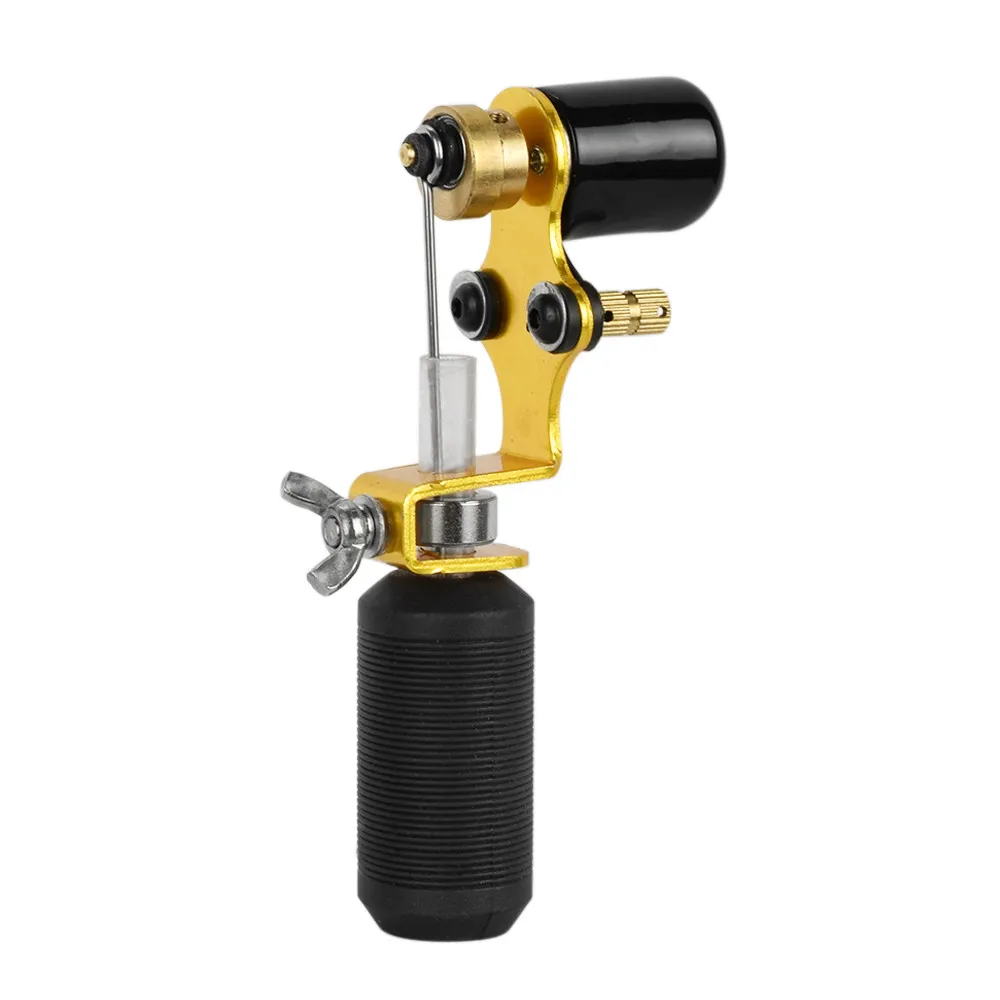
There are two main types of tattoo machines: rotary and coil. Rotary tattoo machines use a rotating motor to drive the needles, while coil tattoo machines use electromagnetic coils to create an up and down motion of the armature bar. Both types of tattoo machines have their advantages and disadvantages.
Rotary tattoo machines are generally quieter and vibrate less than coil machines, making them more comfortable to use for both the artist and the client. They are also easier to use for beginners since they have fewer parts and require less maintenance. However, they may not be suitable for intricate designs requiring fine details.
Coil tattoo machines are preferred by many experienced tattoo artists due to their versatility and ability to handle a wide range of needle configurations. They are also faster than rotary machines, making them ideal for large tattoos or cover-ups. However, they tend to be louder and vibrate more, which can be uncomfortable for some clients.
Tips for Maintaining Your Tattoo Gun
Regular Cleaning and Sterilization:
The first and most important step in maintaining your tattoo gun is regular cleaning and sterilization. Before and after every use, the gun should be cleaned thoroughly with an antibacterial soap or disinfectant. This will help to remove any traces of blood, ink or other contaminants that may have come into contact with the gun during the tattooing process.
It is also important to sterilize the tattoo gun after each use. This can be done by using an autoclave or by using disposable parts such as needles and tubes. Make sure to follow the manufacturer's instructions carefully when sterilizing your tattoo gun.
Lubrication and Adjusting Parts:
Another important aspect of maintaining your tattoo gun is lubrication and adjusting its parts. Regular lubrication will keep the gun running smoothly and prevent any wear and tear on its moving parts. Apply a small amount of oil to the needle bar and other moving parts of the tattoo gun.
Adjusting the parts of the tattoo gun is also important. You should make sure that all the parts are properly tightened and secured. Loose parts can cause the gun to malfunction, which can be dangerous for both the artist and the client.
Proper Storage and Transportation:
Finally, proper storage and transportation are crucial for maintaining your tattoo gun. It is important to keep the gun in a dry and cool place, away from direct sunlight. Exposure to heat and moisture can damage the gun and cause rust to form on its metal parts.
When transporting your tattoo gun, make sure to keep it in a protective case or bag. This will prevent any damage that may occur during transit. Avoid placing heavy objects on top of the gun or dropping it, as this can cause the gun to become misaligned or damaged.
Troubleshooting Common Issues with Tattoo Guns
The first issue that tattoo artists commonly face is needle depth problems. Needle depth refers to how deep the needle penetrates the skin. If the needle is not deep enough, the ink will not be deposited properly, resulting in a patchy or uneven tattoo. On the other hand, if the needle is too deep, it can cause excessive bleeding and scarring.
To troubleshoot needle depth issues, start by checking the needle's alignment. Ensure that the needle is centered and straight in the tube. Also, check the rubber band's tension; if it is too loose, the needle will not penetrate the skin deeply enough. If the problem persists, try adjusting the needle bar length. You may also need to experiment with different needle configurations until you find one that works best for you.
The second issue that tattoo artists encounter is voltage and speed problems. Voltage refers to the amount of power supplied to the motor, whereas speed refers to how fast the needles move. If the voltage is too low, the needles will not move quickly enough to deposit ink correctly. Conversely, if the voltage is too high, the needles will move too quickly, causing excessive trauma to the skin.
To troubleshoot voltage and speed issues, start by checking the machine's power supply. Make sure it is supplying the correct amount of voltage to the motor. Most tattoo machines have a recommended voltage range, so make sure you are operating within that range. If the problem persists, experiment with different needle groupings and adjust the speed until you find the right balance.
The third issue that tattoo artists may encounter is coil or motor problems. The coil is responsible for converting electrical energy into mechanical energy, which powers the tattoo machine. If the coil is damaged or not functioning correctly, the machine will not operate correctly.
To troubleshoot coil or motor problems, start by checking the connections between the coil and the power supply. Make sure that all connections are tight and secure. If the connections are good and the machine still does not work, you may need to replace the coil or motor.
Best Practices for Safe and Effective Use of Tattoo Guns
The first and foremost practice is proper hygiene and sterilization. Tattoo needles are designed to penetrate the skin repeatedly, leaving the door open for infections and diseases. It is therefore necessary to ensure that all equipment, including needles, tubes, grips, and other accessories, are sterile before use. A single mistake in sterilization could lead to the spread of diseases like Hepatitis B and C or HIV, which can cause severe health complications. In addition to ensuring proper sterilization, tattoo artists should also practice good hand hygiene and wear gloves throughout the entire procedure.
Another critical factor in using tattoo guns safely is using quality equipment and supplies. The quality of the equipment plays a significant role in achieving outstanding results. High-quality machines and needles will reduce the risk of complications such as tearing or scarring of the skin. Therefore, tattoo artists must invest in equipment that meets all industry standards and regulations.
Continuing education and training are also essential for safe and effective use of tattoo guns. Tattooing techniques evolve regularly, and new innovations require knowledge and training to update your skills. It is essential to keep up to date with the latest trends, methods, and safety protocols to provide an excellent service to clients while keeping them safe.
In conclusion, the proper use of tattoo guns requires adherence to certain best practices. These include proper hygiene and sterilization, using quality equipment and supplies, and continuous education and training. Following these best practices ensures that tattoo artists offer a safe and high-quality service to their clients. As a consumer, it's vital to choose a tattoo artist who follows these guidelines to protect yourself from any potential complications.
FAQ
Q: What are the common parts of a tattoo gun and how do they contribute to its function?
A: The major components of a tattoo gun include the frame, grip, needle bar, armature bar, coils, capacitor, contact screw, and springs. Together, these parts work to create the necessary electrical current that powers the needle and allows for precision tattooing. The frame provides stability, while the grip allows for comfortable handling. The needle bar holds the needle in place, and the armature bar moves up and down to create the necessary back-and-forth motion. The coils generate the electromagnetic field that drives the machine, and the capacitor helps regulate voltage. The contact screw controls the depth of the needle, and the springs help maintain tension and ensure smooth operation.
Q: How can I properly maintain my tattoo gun to keep it running smoothly?
A: Regular maintenance is essential for keeping your tattoo gun in good working order. This includes cleaning the machine thoroughly after each use using an appropriate cleaning solution, as well as oiling and greasing moving parts to prevent rust and corrosion. It's also important to inspect the machine regularly for any signs of wear or damage, such as loose screws or frayed wiring. If you notice any problems, it's best to address them immediately to prevent further damage.
Q: What are some common issues that can arise when using a tattoo gun, and how can they be resolved?
A: One common issue is overheating, which can cause the machine to slow down or even stop completely. To prevent this, make sure you're not running the machine for too long at once, and give it time to cool down between uses. Another issue is needle clogging, which can occur when ink dries on the needle and prevents it from puncturing the skin. To prevent this, make sure you're using fresh ink and clean needles, and change needles frequently during a tattoo session. Finally, poor performance can sometimes be caused by incorrect needle depth or tension. If you're experiencing this problem, double-check your settings and make adjustments as needed.
Buy Now
See More: Wholesale Products
Recommended related content
Expert Tips for Maintaining the Grip and Traction of Your Slip Resistant Shoes
Tips for Maintaining and Cleaning Your Car Toilet
aring for your dark tattoos: Tips for maintaining the longevity and vibrancy of your in
Expert Tips for Maintaining and Caring for Your Men's Tailor Suit
