
ommon Mistakes to Avoid When Installing Fan Wire
Upload time :October 20, 2023
Shares
Reads
As a fan enthusiast, it's important to know the basics of wiring in order to ensure safety and efficient use. Choosing the right wire gauge is crucial for proper functioning and preventing electrical hazards. Our guide provides information on wire gauges and how to select the appropriate one for your fan. Additionally, understanding different types of wiring connections and avoiding common errors can prevent dangerous situations. Proper grounding is also vital for safety reasons and we explain what it is and how to ensure it's done correctly. Lastly, following manufacturer instructions is key to ensuring longevity and optimal performance of your fan. We provide tips on avoiding common mistakes and properly adhering to instructions. Stay safe and enjoy your fan with these essential wiring tips.
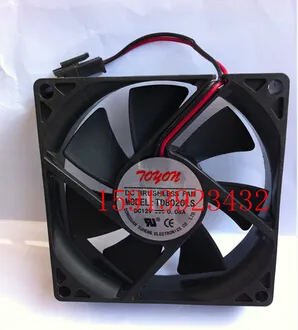
Buy Now
See More: Wholesale Products
Not using the correct wire gauge
Wire gauge is measured using a numerical system, with lower numbers indicating thicker wires. The most common wire gauges used in home wiring are 14-gauge, 12-gauge, and 10-gauge. The smaller the gauge number, the larger the wire diameter and the more current it can safely carry.
Using the incorrect wire gauge can have several negative consequences. Firstly, if the wire gauge is too small for the circuit, it may not be able to handle the amount of current passing through it. This can cause the wire to heat up, potentially leading to a fire hazard. Secondly, using a wire gauge that is too large for the circuit can result in unnecessary expenses, as thicker wires are typically more expensive than thinner wires.
To ensure that you are using the appropriate wire gauge for your project, it is essential to consider several factors. These include the amount of current that is passing through the wire, the length of the wire, and the type of wire insulation being used. Additionally, it is essential to understand the specific voltage requirements of your project and choose a wire gauge accordingly.
To select the correct wire gauge for your project, consult a wire gauge chart or an online wire gauge calculator. These tools will help determine the appropriate wire gauge based on the requirements of your specific project. For example, a 14-gauge wire is suitable for general lighting and receptacle circuits, while a 12-gauge wire is better suited for heavier loads, such as air conditioning units.See More: 5 Stylish and Functional Kitchen Island Lighting Fixtures to Consider
Incorrect wiring connections
One of the most common errors in wiring connections is incorrect polarity. Polarity refers to the direction of current flow in a circuit. When connecting wires, it is essential to ensure that the positive and negative terminals match to avoid short circuits or electrical shocks. Another common mistake is mismatching the wire size with the breaker capacity. This can lead to overloading and overheating of wires, which could cause a fire hazard.
Proper wiring of a fan involves several steps. Firstly, turn off the power supply to the room where the fan installation is taking place. Secondly, select the appropriate wiring method depending on the type of fan and location. If there is an existing fan in place, it is essential to observe the wiring connection to avoid making any mistakes.
To begin wiring, connect the wires from the fan motor to the corresponding wires on the ceiling box. Use connectors or wire nuts to secure the connections. Additionally, attach the grounding wire from the fan motor to the grounding wire from the ceiling box, using a grounding screw.See More: Troubleshooting Tips for Common Ceiling Fan Remote Issues
After completing these steps, it is crucial to test the fan before finishing the installation. This will help to identify any issues that may require troubleshooting before proceeding. Once satisfied with the wiring connections, install the fan according to the manufacturer's instructions.
Poor grounding
Proper grounding is essential for the safe operation of electrical devices, including fans. Without proper grounding, electrical systems can become hazardous and pose a risk of electrocution. In fact, many electrical accidents occur due to poor grounding practices.See More: Comparing the Best Home Laser Hair Removal Devices on the Market
To ensure proper grounding, there are a few things to keep in mind. Firstly, always use a three-pronged plug when connecting your fan to an electrical outlet. The third prong acts as a grounding wire and ensures that any excess electricity flows harmlessly to the ground. Secondly, ensure that all components of your fan, including the motor and frame, are properly grounded. This can be done by checking the manufacturer's instructions or consulting a licensed electrician.
It is also important to regularly check the condition of your fan's wiring and cables. Over time, these can become frayed or damaged, increasing the risk of electrical accidents. If you notice any damage, make sure to replace the wiring immediately.
In addition to ensuring proper grounding, it is important to practice good electrical safety practices. This includes never touching electrical devices with wet hands, keeping electrical devices away from water, and avoiding overloading outlets with too many appliances.
Failure to follow manufacturer instructions
The importance of following manufacturer's instructions cannot be overstated. The instructions provided by the manufacturer are there for a reason and should be followed to the letter. Failure to do so can result in damage to the product, injury to yourself or others, or even worse - death. Manufacturers spend a lot of time and resources to test their products and come up with the best possible usage instructions. Ignoring these instructions can have serious consequences.
One of the common mistakes people make when they fail to follow the manufacturer's instructions is assuming they know how to use the product better. They may think that they are experts and don't need to read the instructions, but this type of overconfidence can lead to accidents. For example, if you're using a power tool, you may think that you can handle it without reading the instructions, but you could end up cutting yourself or starting an electrical fire. It's better to take the time to read the instructions and avoid such mishaps.
Another mistake people make is skipping steps. Some instructions may seem redundant or unnecessary, but they are included for a reason. Skipping a step can cause the product to malfunction, and in extreme cases, it could lead to injury. You may think that it’s okay to skip a few steps when assembling furniture, for instance, but it could result in an unstable piece of furniture that could collapse and cause injury.See More: Protect your furniture with stylish couch covers
To properly follow manufacturer's instructions, you should start by reading them thoroughly. Don't skim through the instructions, take the time to read each step carefully, and understand what you are required to do. If there's something you don't understand, seek clarification from the manufacturer or a professional. Also, make sure you have all the necessary tools and equipment before you start. Using the right tools will make the process easier and ensure that you don't damage the product.
In conclusion, following manufacturer instructions is essential for the proper functioning of any product. It's important to understand that these instructions are there for a reason and should be followed to the letter. Failure to follow these instructions can lead to accidents and injuries. To properly follow the instructions, take the time to read them thoroughly, don't skip steps, and use the right tools and equipment. By doing this, you'll be ensuring the safety of yourself and those around you while extending the lifespan of your purchased product.
FAQ
Q1. What are the most common mistakes to avoid when installing fan wire?
Some of the most common mistakes to avoid when installing fan wire include using improper wiring techniques, wrong connections, and improper grounding. Improper wiring techniques can lead to loose wires or incorrect connections that can cause electrical shocks or fires. Wrong connections can also cause the fan to malfunction or not work at all. Improper grounding could lead to electrical buildup that could damage the motor or other parts of the fan.See More: What are the Best Animal Balloon Twisting Techniques for Beginners?
Q2. How do I ensure proper wiring techniques when installing fan wire?
To ensure proper wiring techniques when installing fan wire, it is important to read and follow the instructions that come with your fan. You should also make sure to use the correct tools and materials for the job. Always turn off the power before working on any electrical installation and be sure to test the wires with a voltage tester to ensure they are not live. Use wire nuts to connect wires together, and make sure they are tight and secure. Finally, double-check all connections before turning the power back on.
Q3. What should I do if my fan does not work after installation?
If your fan does not work after installation, there are several things you can check. First, make sure the power is turned on and that the circuit breaker has not tripped. Next, check the wiring to ensure everything is connected properly and securely. If the wiring is correct, check the speed switch and pull chain to ensure they are in the correct position. If none of these solutions work, contact the manufacturer for further assistance.
Q4. Can I install a fan without prior electrical experience?
While it is possible to install a fan without prior electrical experience, it is recommended that you seek professional help if you are unsure about the process. Electrical installations can be dangerous, especially if done incorrectly, and it is important to prioritize safety above all else. If you do choose to install the fan yourself, make sure to read the instructions carefully and follow all safety precautions.
Recommended related content
How to Avoid Common Mistakes When Shopping for Guitars
Avoid these common mistakes when installing plastic pipes
ommon Mistakes to Avoid When Using Eyelash Glu
5 Common Mistakes to Avoid When Using Padded Envelopes for Shipping
