
How to Choose the Perfect Tripod Stand for Your Camera
Upload time :August 31, 2023
Shares
Reads
As a tripod stand consumer, there are a few important factors to consider when selecting the right one for your needs. First, think about the weight of your camera and where you'll be shooting - whether it's hiking or in a studio environment. Consider different types of tripod stands, such as travel tripods, tabletop tripods, and full-size tripods. Durability and stability are key to ensure steady footage and equipment protection, so look for sturdy materials and adjustable leg length. Evaluate features like adjustable legs and quick-release plates to enhance functionality and ease of use. Finally, determine your budget and consider buying used or refurbished gear to get the most bang for your buck. With these tips, you can find the perfect tripod stand for your photography needs.
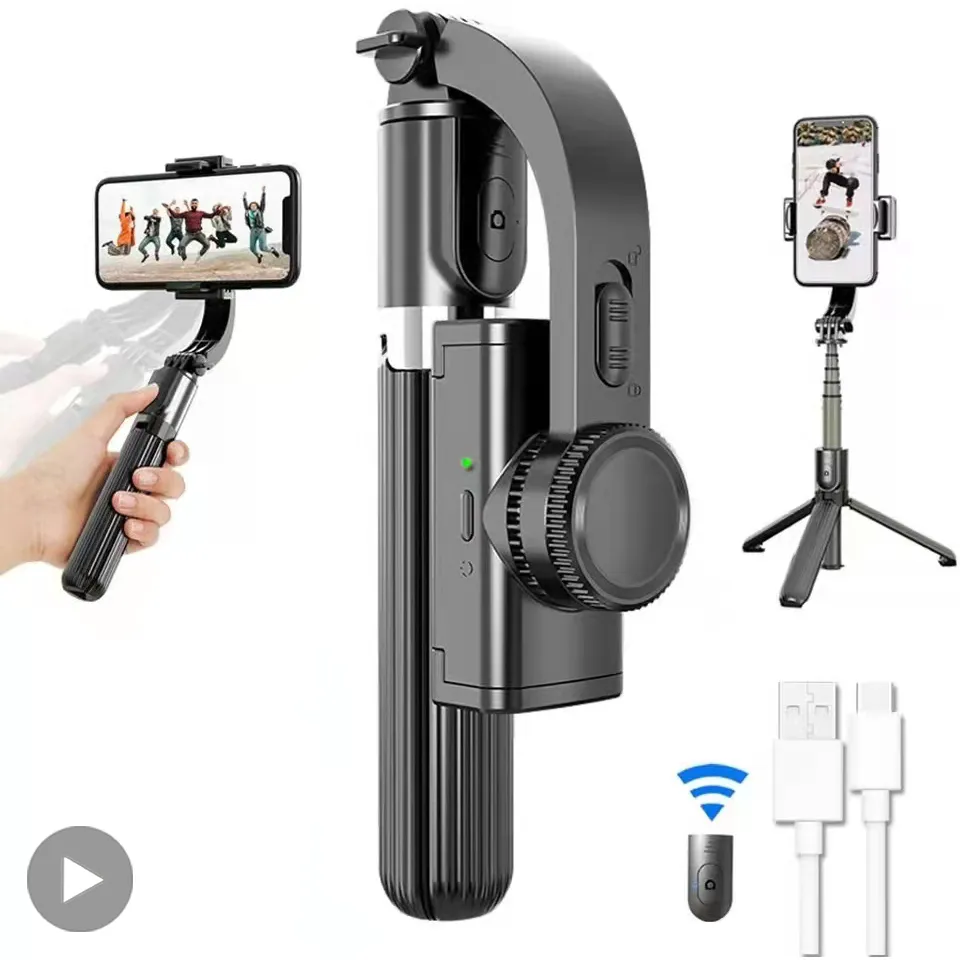 Buy NowSee More: Wholesale Products
Consider Your Needs
First, consider the weight of your camera. Different tripods have varying weight capacities, so it is crucial to select one that can support your camera’s weight. If you have a heavy camera, you will need a sturdy tripod with a higher weight capacity. On the other hand, if you have a lighter camera, you may not need such a robust tripod. It is also worth noting that a heavier tripod tends to be more stable than a lighter one.
Secondly, think about where you will be shooting. If you plan on taking your tripod on hikes or outdoor adventures, you will need a lightweight and compact option that is easy to carry. Aluminum and carbon fiber tripods are both excellent options for outdoor shoots. Conversely, if you will primarily be working in a studio or indoor setting, you may opt for a bulkier tripod that provides maximum stability.
Thirdly, consider what activities you will be doing while using the tripod. For instance, if you plan on shooting videos, you may want a tripod with a fluid head that allows for smooth panning and tilting movements. Alternatively, if you plan on taking still photos, you may prefer a tripod with a ball head that provides more flexibility.
With those factors in mind, let's look at some examples of different types of tripod stands and who they are best suited for.
If you are looking for a lightweight and compact option for outdoor shoots, the Manfrotto BeFree Advanced Travel Tripod is an excellent choice. This aluminum tripod weighs only 3.5 pounds and folds down to just 15.75 inches, making it easy to carry in a backpack. It also has a weight capacity of 17.6 pounds, which is suitable for most DSLR cameras.
For those who want a more robust option for studio work, the Gitzo Systematic Series 5 Tripod is an exceptional choice. It is made from carbon fiber, making it both lightweight and strong, and has a weight capacity of up to 88 pounds. Its modular design allows you to customize it to fit your needs, including adding extensions for increased height or removing the center column for low-angle shots.
Lastly, if you are looking for a versatile tripod suitable for both video and still photography, the Vanguard Alta Pro 263AB is an excellent option. It features a multi-angle center column that enables you to shoot from a wide range of positions, and its ball head allows for smooth and quick adjustments. It also has a weight capacity of 15.4 pounds and is relatively lightweight at just over five pounds.
Look for Durability and Stability
Firstly, let's talk about stability. A stable tripod will ensure that your camera remains steady even in windy or uneven conditions. Look for a tripod with sturdy legs that can support the weight of your camera without wobbling or tipping over. The number of legs also plays a role in stability; three-legged tripods are more stable than those with two legs, while four-legged tripods provide maximum stability but can be heavier and bulkier.
Next, consider the material of your tripod. Aluminum tripods are lightweight and affordable, making them a popular choice for beginners. However, they can bend or dent if dropped or knocked over. Carbon fiber tripods, on the other hand, are more expensive but offer superior durability and stability. They're also lighter than aluminum tripods, making them easier to carry around.
Weight is another factor to consider when looking for a durable and stable tripod. A heavier tripod may be more stable, but it can also be cumbersome to carry around. If you plan on traveling frequently with your equipment, consider a lightweight tripod that still offers good stability. Some tripods come with removable weights that can be added to the tripod legs for extra stability in windy conditions.
Leg length is also an important consideration. Longer legs provide greater stability, especially on uneven surfaces. Look for tripods with adjustable leg angles and locking mechanisms, which will allow you to position your tripod on a variety of surfaces. Rubber or spiked feet can also improve stability on different surfaces.
Evaluate Features and Adjustability
Adjustable legs and center columns are two features that can make a significant difference in terms of versatility. With adjustable legs, photographers can set up the tripod on uneven surfaces or at different heights, allowing them to get the perfect shot from any angle. Additionally, adjustable center columns can help extend the height of the tripod, which can be useful when shooting subjects from above.
Another feature that can improve functionality is quick-release plates. These allow photographers to quickly and easily attach and detach their cameras from the tripod stand, eliminating the need for screwing and unscrewing the camera every time it needs to be removed. Quick-release plates also enable photographers to switch between cameras or lenses quickly without missing a shot.
Bubble levels are another feature that can make a significant difference in terms of the overall shooting experience. These small circular levels located on the top of the tripod head allow photographers to ensure that their camera is level and straight, eliminating the risk of a tilted or slanted shot. This feature comes in handy when shooting landscapes, architecture, or any other subject requiring a straight horizon line.
Settle on a Budget
Determining your budget before shopping for a tripod stand is essential, but it can be a daunting task. It's important to set a reasonable price point that meets your needs without breaking the bank. Fortunately, there are plenty of affordable yet high-quality tripod stands on the market, and with a little research, you can find one that meets your needs.
When shopping for a tripod stand, it's always best to start with a budget in mind. You'll want to determine what features and specifications are most important to you, such as weight capacity, height, stability, and durability. Once you've established your needs, you can begin to research and compare different models within your price range.
There are several places to look for affordable tripods, including online retailers, camera stores, and even second-hand markets. When shopping online, it's important to read reviews from other customers and ensure that the seller has a good reputation. Camera stores are also great resources, as they often have knowledgeable staff who can provide guidance on finding the right tripod stand for your needs.
If you're on a particularly tight budget, buying used or refurbished gear may be an option worth considering. However, it's essential to be cautious when purchasing used equipment. Always inspect the product thoroughly before buying and ensure that it includes all necessary components. Additionally, make sure to buy from a reputable seller and ask about any return policies or warranties.
In conclusion, setting a budget is an essential first step when shopping for a tripod stand. By determining your needs and researching available options, you can find an affordable tripod stand that meets your requirements. Remember to consider factors such as weight capacity, height, stability, and durability when making your decision. Whether shopping online or in-store, always purchase from a reputable seller and inspect the product carefully before buying.
FAQ
Q1. What should be the ideal height of a tripod stand for my camera?
The ideal height of a tripod stand depends on the type of photography you do. If you like to shoot landscapes or portraits, then a taller stand that can reach up to eye level is best. However, if you prefer macro photography or low angles, then a shorter stand with adjustable legs is preferable.
Q2. How important is the weight limit of a tripod stand?
The weight limit of a tripod stand is crucial as it determines how much weight it can hold without toppling over. Ensure your tripod has a weight limit that exceeds the weight of your camera and any other accessories you may attach to it. This ensures stability and minimizes the risk of damaging your equipment.
Q3. Can I use any type of camera on any tripod stand?
No, not all tripods are designed to work with all types of cameras. Ensure you choose a tripod that is compatible with your camera, and look out for features such as quick-release plates, which make it easy to attach and detach the camera. Some tripods also come with adjustable heads that allow you to tilt, swivel, and pan the camera, providing more versatility.
Q4. Are there any additional features to look out for when choosing a tripod stand?
Yes, other factors to consider include the material used in the construction of the tripod (aluminum or carbon fiber), leg locks that secure the legs in place, rubber feet for better grip on slippery surfaces, and built-in levels to ensure the tripod is level. Additionally, some models offer adjustable center columns that allow you to adjust the height of the camera without adjusting the leg height.
