
How Port Hubs are Changing the Landscape of International Trade
Upload time :January 8, 2024
Shares
Reads
Port hubs are essential for facilitating international trade, offering several benefits such as increased efficiency, reduced costs, and improved logistics. Technology has played a significant role in transforming port operations and making them more efficient. Automation, data analytics, and IoT devices are some of the technologies used in port hubs. However, port hubs face several challenges such as congestion, security, and environmental concerns. Innovation and collaboration between stakeholders can help address these challenges. In the future, trends like blockchain, increased digitization, and expansion into new markets are likely to shape the development of port hubs, impacting international trade. Port hub consumers should be aware of these trends to stay competitive in the global marketplace.
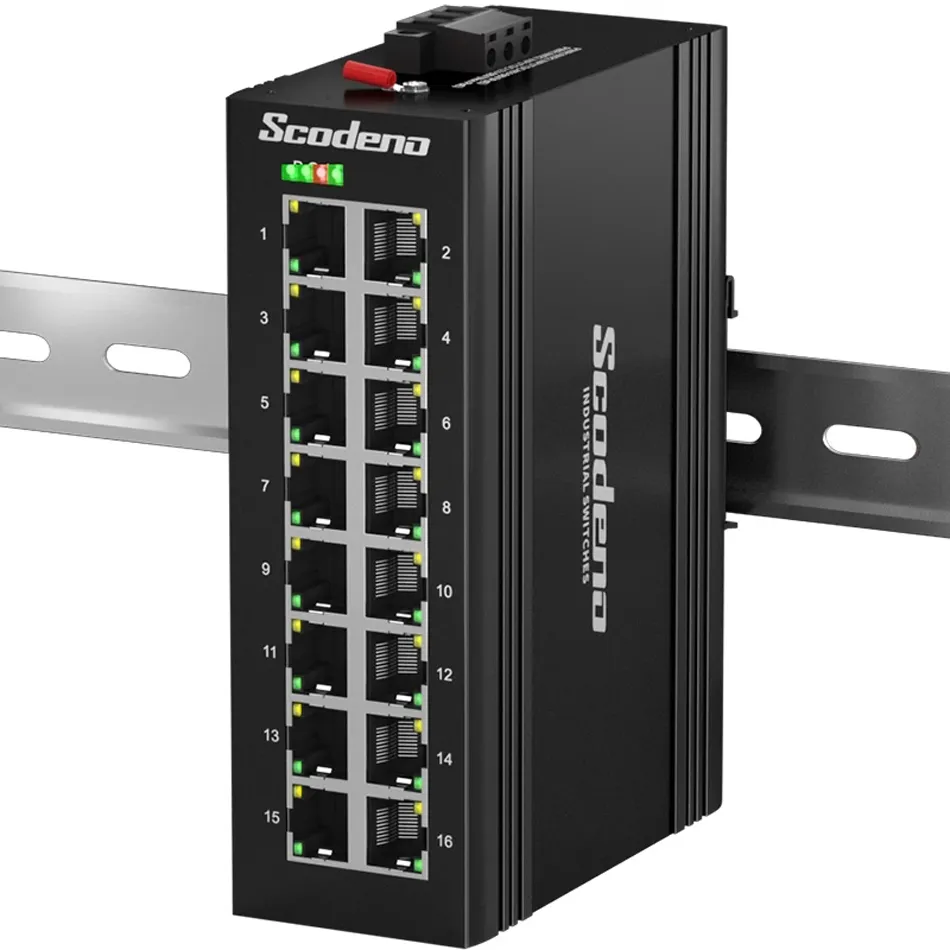
Buy Now
See More: Wholesale Products
Benefits of Port Hubs
One significant benefit of port hubs is increased efficiency in shipping goods. By utilizing these ports, transportation companies can consolidate shipments, reducing their overall costs and improving their ability to meet delivery deadlines. Additionally, the use of modern technology and automation at ports has further increased efficiency, allowing for faster processing times and reduced waiting periods for vessels.
Port hubs also facilitate cost savings through economies of scale. When multiple companies utilize the same port, they can share resources such as warehouses, cranes, and other infrastructure, which leads to lower costs for each business. Furthermore, shipping lines can optimize routing and vessel utilization by using port hubs, resulting in decreased transportation costs per container.See More: The environmental impact of warehouses: sustainable practices to consider
Improved logistics is another advantage of using port hubs. Since these ports serve as centers of transportation activity, businesses can benefit from streamlined logistics processes, such as centralized customs clearance and inspections. This translates into quicker turnaround times for importers and exporters, which ultimately improves supply chain efficiency.
Perhaps the most significant benefit of port hubs is the role they play in facilitating international trade. By providing a central location for cargo shipments, port hubs enable businesses to transport goods efficiently and affordably across borders. For instance, consider the impact of the Port of Rotterdam, the largest port in Europe. The port handles over 12 million containers annually and serves as a gateway to the rest of Europe and beyond. Its strategic location and sophisticated infrastructure make it a crucial link between Asia, Africa, and North America.
Furthermore, port hubs have facilitated the growth of specialized industries, such as the automotive sector. Many car manufacturers have opted to operate near major ports, allowing them to quickly and efficiently transport vehicles overseas. For instance, the Port of Bremerhaven in Germany is the primary hub for the export of German-built cars. It handles over two million cars annually, accounting for nearly 60% of all German automobile exports.See More: Discover the Advantages of Wheeled Motor Vehicles for a More Efficient Commute
The Role of Technology in Port Hubs
- Address the potential challenges of implementing technology in port hubs, such as the need for skilled workers and the risk of cyber threats.
The Role of Technology in Port Hubs
Port hubs are essential components of global trade, connecting countries and enabling the movement of goods around the world. With the increasing demand for efficient transport systems, port operations have undergone significant changes in recent years, thanks to advances in technology. The integration of technology in port hubs has transformed the way they operate, making them more efficient, reliable, and safe.
One of the significant ways technology has transformed port operations is by automating various processes. Automation involves using machines and software to perform tasks that were previously done manually. Automation has made it possible for port hubs to handle large volumes of cargo quickly while reducing errors and delays. Automated container handling systems, for example, allow ports to move containers from ships to trucks or trains seamlessly. This technology has made ports more productive and has reduced the time required to load and unload cargo.See More: The Benefits of Getting a BMW Software Update
Another technology that has revolutionized port operations is data analytics. Data analytics involves collecting, processing, and analyzing large amounts of data to gain insights into operations and identify areas for improvement. In port hubs, data analytics can help port operators make informed decisions, optimize resources, and improve efficiency. For example, data analytics can be used to predict traffic patterns, optimize container storage, and reduce energy consumption. By using data analytics, port hubs can make better use of their resources and reduce operating costs.
Internet of Things (IoT) devices have also played a crucial role in transforming port operations. IoT refers to the interconnection of physical devices, vehicles, buildings, and other objects embedded with sensors, software, and network connectivity. In port hubs, IoT devices can be used to monitor cargo, track ships, and manage facility operations. For example, sensors can be placed on containers to track their location and provide real-time updates on their status. Similarly, sensors can be installed on ships to monitor engine performance and fuel consumption. By using IoT devices, port hubs can improve operational visibility, reduce costs, and enhance safety.
The benefits of technology in port hubs are numerous. First and foremost, technology has significantly increased productivity, allowing ports to handle larger volumes of cargo with greater speed and efficiency. Additionally, technology has improved safety by reducing the risks associated with manual labor, such as accidents and injuries. Finally, technology has reduced costs by optimizing resource utilization, reducing energy consumption, and minimizing errors and delays.
Despite the many benefits of technology in port hubs, there are still some challenges to its implementation. One of the most significant challenges is the need for skilled workers who can operate and maintain the technology. Additionally, technology implementation carries the risk of cyber threats, which can compromise sensitive data and disrupt port operations. Therefore, it is essential for port operators to invest in cybersecurity measures and ensure that their staff is well-trained in the use and maintenance of technology.
Challenges Faced by Port Hubs
Congestion is perhaps the most significant challenge faced by port hubs. As volumes of cargo increase, ports become crowded, leading to delays, increased waiting times, and extra costs for shippers. Congestion can also lead to bottlenecks, making it difficult for ships to enter and exit ports quickly. This issue is compounded by the increase in vessel sizes, which require deeper channels and larger berths. To address congestion, port operators need to invest in new infrastructure, such as automation and digitalisation, to improve the speed and efficiency of cargo handling. They also need to work closely with shipping lines and other stakeholders to optimise schedules and reduce turnaround times.See More: What Are the Best Pen Holders for Your Desk? Top Picks and Reviews
Another major challenge for port hubs is security. Ports are vulnerable to terrorist attacks, smuggling, cargo theft, and other criminal activities, making it essential to implement robust security measures. These measures include physical barriers, surveillance systems, access controls, and cargo screening technologies. Additionally, port operators need to collaborate with law enforcement agencies, governments, and other stakeholders to share intelligence and respond effectively to any security threats.
Environmental concerns are increasingly becoming a challenge for port operators. Ports are significant sources of air and water pollution, which can have adverse effects on the environment and public health. To mitigate these impacts, port operators need to adopt sustainable practices, such as using cleaner fuels, reducing emissions from cargo handling equipment, and implementing waste management systems. Collaboration between ports and other stakeholders in the supply chain is crucial to achieving these goals. For example, shippers can choose to use more sustainable modes of transport, such as rail or barge, or switch to low-emission fuels to reduce their carbon footprint.
To address these challenges, stakeholders in the port industry need to collaborate and innovate. Port operators can work with shipping lines, governments, and other stakeholders to develop integrated supply chain solutions that enhance efficiency, reduce cost, and improve sustainability. For example, the use of blockchain technology can help streamline documentation processes, reducing paperwork and delays. Additionally, port operators can leverage data analytics and artificial intelligence to optimise cargo flows and improve port operations.
Future Trends in Port Hubs
One trend that is expected to shape the future of port hubs is the use of blockchain technology. Blockchain is a decentralized ledger that can record transactions in a secure and transparent way. This technology has the potential to revolutionize the management of supply chains by providing real-time visibility of goods moving through a port. With blockchain, stakeholders such as shippers, carriers, and customs officials can easily access information about the location, status, and condition of shipments. This increased transparency could reduce delays and improve efficiency at ports.See More: "What are the latest trends in thigh chains?" (search volume: 10k)
Another trend that is likely to impact port hubs is the increased digitization of the shipping industry. Digital technologies such as the Internet of Things (IoT) and Artificial Intelligence (AI) are already being used in some ports to automate tasks like cargo handling and vessel scheduling. These technologies can help reduce costs, increase productivity, and improve safety. Additionally, they can enable better communication and collaboration among different stakeholders in the shipping industry.
The expansion of port hubs into new markets is also expected to be a major trend in the future. Many developing countries are investing in their port infrastructure to attract more international trade. For example, China's Belt and Road Initiative aims to connect Asia, Europe, and Africa through a network of ports and railways. This initiative has the potential to transform trade patterns and create new opportunities for businesses. As more countries invest in their port infrastructure, there will be increased competition among port hubs to attract trade.
These trends are likely to have significant impacts on international trade. Blockchain technology, for example, could improve transparency and reduce the risk of fraud, which would make it easier for businesses to engage in cross-border trade. Increased digitization could lead to greater efficiency and lower costs for shippers, which could make it more profitable to trade internationally. The expansion of port hubs into new markets could create new trading routes and open up new opportunities for businesses to reach new customers.
In conclusion, port hubs are likely to evolve significantly in the coming years as a result of trends like the use of blockchain, increased digitization, and expansion into new markets. These changes will impact international trade in various ways, from reducing costs and improving efficiency to creating new opportunities for businesses. As such, it is important for port operators, businesses, and policymakers to stay abreast of these trends and adapt accordingly to ensure that ports remain a crucial component of the global trade network.
FAQ
Q1. What is a port hub and how does it affect international trade?
A port hub is a key location where goods are transshipped between different modes of transportation, such as ships, trains, trucks, and planes. These hubs are strategically located to facilitate efficient movement of goods in and out of countries, regions, or continents. They play a critical role in reducing transportation costs, improving supply chain visibility, and enhancing the speed and reliability of global trade.
Q2. How are port hubs changing the landscape of international trade?
Port hubs are transforming the way companies conduct business across borders. With the growth of e-commerce and globalization, the demand for faster, cheaper, and more reliable logistics solutions is increasing. Port hubs are responding to this trend by expanding their capacities, investing in advanced technologies, and adopting new operational models. For example, some port hubs are becoming smart ports, where sensors and analytics tools are used to optimize traffic flow, reduce congestion, and improve safety. Others are developing specialized services, such as cold chain logistics or customs clearance, to meet the specific needs of different industries.
Q3. What are the benefits of using port hubs for international trade?
Using port hubs can yield significant benefits for businesses engaged in international trade. First, they offer access to a wide range of transportation modes and routes, which can help shippers find the most cost-effective and efficient way to move their goods. Second, they provide value-added services, such as warehousing, packaging, and distribution, that can streamline the logistics process. Third, they enable better risk management by providing real-time information about shipment status, customs regulations, and compliance issues. Finally, they foster collaboration among stakeholders, including shippers, carriers, freight forwarders, and government agencies, which can lead to improved efficiency and reduced costs.
Q4. What are the challenges facing port hubs in the future?
Despite their many advantages, port hubs face several challenges in the coming years. One of the biggest concerns is environmental sustainability, as the shipping industry is a significant contributor to greenhouse gas emissions and pollution. Port hubs will need to adopt green technologies and practices to minimize their impact on the environment. Another challenge is cybersecurity, as digitalization and automation make ports more vulnerable to cyber threats. Port hubs must invest in robust cybersecurity measures to protect their assets and data. Finally, geopolitical risks, such as trade wars, sanctions, and political instability, can disrupt the flow of goods through port hubs. To mitigate these risks, port hubs need to diversify their customer base, expand their network of partners, and anticipate changes in global trade policies.
Recommended related content
What are the best ways to save money on international transfers?
How Portable Gaming Consoles are Changing the Gaming Industry
How Party Board Games Can Bring People Together and Make Any Gathering Memorable
