
The Environmental Impact of Disposable Ink Cartridges
Upload time :December 5, 2023
Shares
Reads
Disposable ink cartridges contribute significantly to carbon emissions and waste in their manufacturing process. Additionally, improper disposal leads to them ending up in landfills, where they release dangerous chemicals into the environment. As a solution, consumers can opt for refillable cartridges or eco-friendly brands as alternatives. Refillable cartridges use less plastic, reduce waste, and save money. Eco-friendly brands use sustainable materials and more efficient production processes, which greatly reduce their environmental impact. Choosing such environmentally friendly measures not only helps protect our planet but also saves on costs while maintaining quality prints.
Manufacturing Process
The manufacturing process of ink cartridges involves several stages, including plastic molding, assembly, and packaging. The first step is the production of the cartridge body, made of plastic resin pellets. These pellets are melted down and molded into a specific shape, which varies depending on the type of printer for which the cartridge is intended. This stage of the process requires energy from fossil fuels, which contributes to carbon emissions.
Next, the cartridge components, such as the printhead and ink reservoir, are assembled and tested for quality control. This process also requires energy and produces waste, such as defective parts or excess plastic material. The cartridges are then packaged, often using additional materials such as cardboard and plastic blister packs, which further contributes to waste.
The disposal of ink cartridges is another environmental issue. Once the ink runs out, the cartridges are typically discarded and end up in landfills where they can take hundreds of years to decompose. This not only contributes to waste but also releases harmful chemicals into the environment.
To address these issues, some manufacturers have implemented eco-friendly practices in their production processes. For example, some companies use biodegradable materials or recycled plastics in their cartridges. Additionally, some manufacturers offer refillable cartridges, reducing the amount of waste generated and promoting a circular economy.
Consumers can also make a difference by choosing environmentally friendly options when purchasing ink cartridges. Refilling cartridges or buying remanufactured cartridges can help reduce waste and carbon emissions. It is essential to properly dispose of old cartridges by recycling them through programs offered by manufacturers or local governments.
Disposal
When ink cartridges are disposed of improperly, they end up in landfills where they take hundreds of years to decompose. As they decompose, they release dangerous chemicals into the environment such as lead, mercury, and cadmium. These chemicals can cause severe health problems for humans and animals alike. For example, lead exposure can lead to developmental delays, brain damage, and learning difficulties in children. Mercury exposure can cause damage to the nervous system, while cadmium exposure can lead to cancer and kidney damage.
Additionally, when ink cartridges are disposed of in landfills, they can also pollute the water supply. Rainwater that seeps through the landfill can pick up the chemicals from the ink cartridges and contaminate the groundwater. This polluted water can then be consumed by humans and animals, leading to further health risks.
So, what can consumers do to ensure that they dispose of their ink cartridges properly? The first step is to check with your local waste management agency or electronics store to see if they offer an ink cartridge recycling program. Many stores like Staples, Best Buy, and Office Depot offer free recycling programs for ink cartridges. Recycling programs are a great way to keep ink cartridges out of landfills and safely dispose of them.
If there are no recycling programs available in your area, then consider refilling your ink cartridges instead of throwing them away. Refilling ink cartridges is not only environmentally friendly, but it is also cost-efficient. When you refill your ink cartridges, you reduce the amount of plastic waste and save money compared to buying new cartridges.
Alternatives
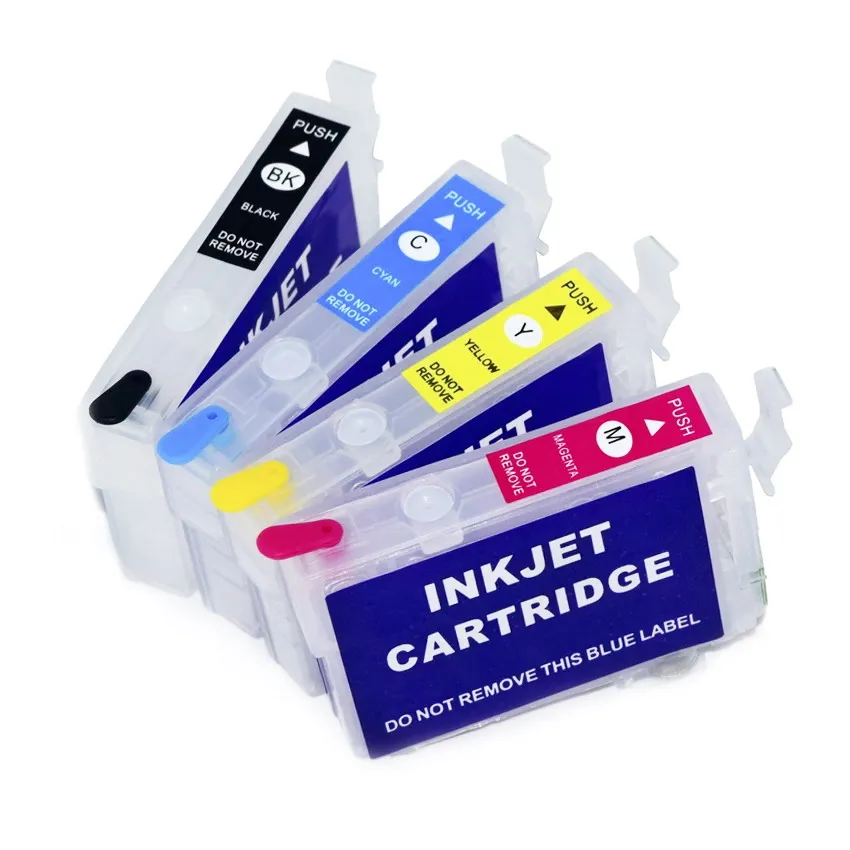
One option is refillable cartridges. These are cartridges that can be refilled with ink rather than being thrown away after use. Refillable cartridges are a great option for individuals who print frequently as they can help save money while reducing waste. Some printer manufacturers offer refillable cartridges specific to their brand of printer, but there are also universal refillable cartridges available.
Another alternative to traditional ink cartridges is eco-friendly brands. These are brands that prioritize sustainability in their manufacturing process, sourcing materials from renewable sources, and reducing their carbon footprint. Some eco-friendly brands even offer recycling programs where customers can return used cartridges to be properly disposed of or recycled.
It's important to note that not all eco-friendly brands are created equal. Consumers should do their research to ensure they are purchasing products from brands that practice what they preach. Some well-known eco-friendly ink cartridge brands include HP, Epson, and Brother.
In addition to considering alternative options for ink cartridges, consumers can also take other steps to reduce their environmental impact when printing. These steps include opting for double-sided printing, using recycled paper, and only printing when necessary. By making small changes in their printing habits, consumers can make a big difference in reducing their carbon footprint.
In conclusion, there are several alternatives available for consumers looking for more eco-friendly options when it comes to ink cartridges. Refillable cartridges and eco-friendly brands are both great options that can help reduce waste and provide cost savings. Additionally, consumers can take other steps to reduce their environmental impact when printing. By making small changes, we can all play a role in protecting our planet.
Buy Now
See More: Wholesale Products
FAQ
Q: What is the environmental impact of disposable ink cartridges?
A: The environmental impact of disposable ink cartridges is significant. These cartridges are made from plastic materials that can take hundreds of years to decompose, contributing to the growing problem of plastic pollution. Additionally, the production and transportation of these cartridges contribute to greenhouse gas emissions and other forms of pollution.
Q: How can I reduce my impact on the environment when using ink cartridges?
A: There are several ways to reduce your impact on the environment when using ink cartridges. One option is to use refillable or remanufactured cartridges instead of disposable ones. This reduces the amount of plastic waste generated and saves resources by reusing existing materials. Another option is to print only what is necessary and to print on both sides of the paper whenever possible.
Q: Are there any alternatives to using ink cartridges altogether?
A: Yes, there are alternatives to using ink cartridges altogether. One option is to switch to a digital format for storing and sharing information instead of printing it out. This reduces the need for ink and paper altogether. Additionally, some printers use eco-friendly technologies such as toner-based systems that produce less waste than traditional ink cartridges.
Q: What can manufacturers do to reduce the environmental impact of ink cartridges?
A: Manufacturers can take several steps to reduce the environmental impact of ink cartridges. This includes using recycled materials in their production, reducing packaging waste, and designing cartridges that are easier to recycle or reuse. Additionally, manufacturers can work to increase public awareness about the importance of responsible disposal and encourage consumers to participate in recycling programs. By taking these steps, manufacturers can help reduce the impact of ink cartridges on the environment and promote sustainability.
Recommended related content
The Environmental Impact of Tank Car Accidents and Spills
The Environmental Impact of Canned Foods: Is it Worth It?
The Environmental Impact of Using High-Quality Filters for Your Car
The Environmental Impact of Electric Heaters: Are They Eco-Friendly?
The Environmental Benefits of using Recyclable Envelopes for Your Invitations
