
How to Choose the Right Iron Hair Straightener for Your Hair Type
Upload time :August 30, 2023
Shares
Reads
For those with curly, wavy, thin, or thick hair, choosing a compatible iron hair straightener is vital. Understanding the various hair types and their properties is the first step in choosing the perfect straightener. Temperature control, plate material, size, and other features are important factors to consider when selecting a hair straightener. Popular brands like Chi, GHD, and BaByliss offer models that cater to these features. When using a straightener, it's essential to follow general tips such as using heat protectant spray and sectioning the hair. However, different hair types have specific requirements, such as a lower temperature setting for fine hair. Common mistakes like too much heat or not cleaning the plates can be detrimental to hair health, so it's crucial to avoid them.
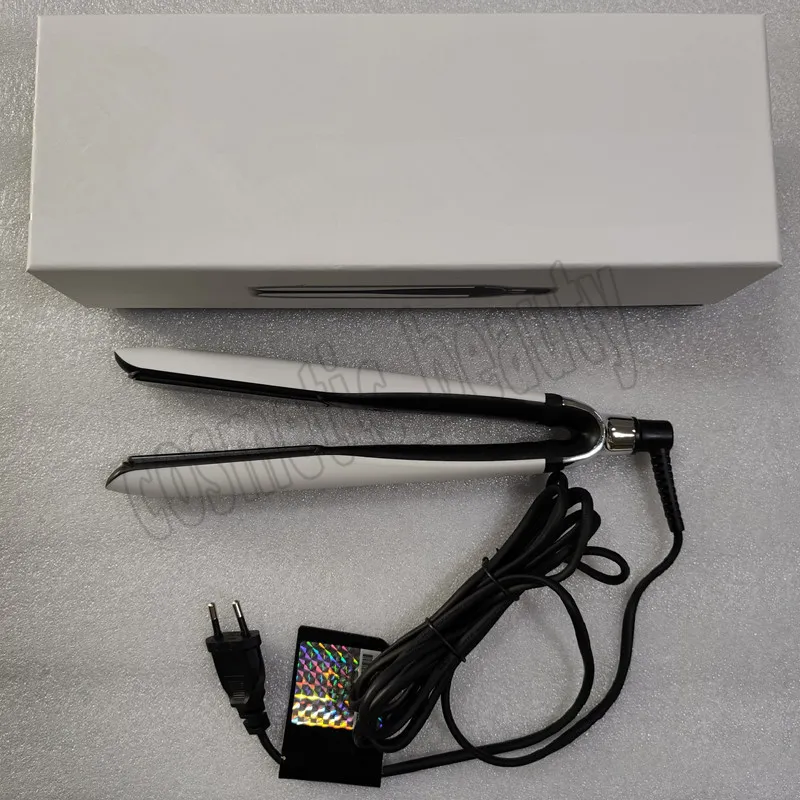 Buy NowSee More: Wholesale Products
Understanding Different Hair Types
When it comes to choosing an iron hair straightener, it's important to understand your hair type to select the right tool. Not all hair types are the same, and different iron hair straighteners have varying features that can affect how they work on different hair types. Here is a brief overview of various hair types and their characteristics:
Curly Hair
Curly hair is characterized by its tight curls or coils. It has a lot of volume and tends to be dry and prone to frizz. It can also be difficult to manage as it requires specific products and techniques to maintain its shape.
Wavy Hair
Wavy hair has a slight wave pattern that gives it natural body and bounce. It is more flexible than curly hair and can easily be straightened with the right tools.
Thin Hair
Thin hair is characterized by its lack of volume and thinness. It is often flat and limp, making it difficult to style and manage. It is also prone to breakage and damage from heat styling tools.
Thick Hair
Thick hair is characterized by its abundance of hair strands, providing a full and voluminous look. However, it can be challenging to style because of its thickness and tendency to become coarse and frizzy.
Now that we have a clear understanding of various hair types, let's discuss why it's essential to choose an iron hair straightener that's compatible with your hair type.
Choosing the Right Iron Hair Straightener for Your Hair Type
Choosing the right iron hair straightener can have a significant impact on the health and appearance of your hair. Using the wrong tool can lead to damage, breakage, and frizz, resulting in weak, dull, and lifeless-looking hair. Here are some tips for selecting the right iron hair straightener for your hair type:
Curly Hair
If you have curly hair, you should look for an iron hair straightener that has adjustable temperature settings. Curly hair can be fragile and prone to damage, so using too high heat can cause breakage. A flat iron with ceramic plates is preferable as it evenly distributes heat, reducing the risk of hot spots that can cause damage.
Wavy Hair
Wavy hair is less fragile than curly hair, so you can use a slightly higher heat setting when straightening it. You can opt for an iron hair straightener with titanium plates. Titanium heats up quickly and maintains a consistent temperature, making it easy and efficient to straighten wavy hair.
Thin Hair
If you have thin hair, you should look for an iron hair straightener that has ceramic plates. Ceramic plates produce negative ions that seal the hair cuticle, reducing frizz and creating a smooth and shiny finish. You should also choose an iron hair straightener with a low temperature setting to avoid heat damage.
Thick Hair
For thick hair, you should look for an iron hair straightener with wider plates. Wide plates cover more hair surface area at once, making it quicker and easier to straighten thick hair. Titanium plates are also an excellent option as they heat up quickly and retain the heat, ensuring that thick hair is evenly straightened.
Key Features to Look for in a Hair Straightener
One essential feature to look for in a straightener is temperature control. A good iron should have adjustable heat settings that cater to all hair types. Temperature control allows you to customize the heat according to your hair needs, which ultimately leads to better straightening results. For example, if you have fine hair, you will need lower temperatures as opposed to coarse or thick hair. Some popular brands like GHD, Dyson, and Babyliss offer temperature control features on their straighteners, making them an excellent choice.
Another crucial factor is the plate material. Different materials offer different benefits. Ceramic and tourmaline plates are the most common materials used in hair straighteners. Ceramic plates distribute heat evenly, preventing hot spots that can cause hair damage. Tourmaline plates emit negative ions that help reduce frizz and static, providing a smooth finish. Other materials such as titanium and stainless steel are also available and offer unique advantages. It's essential to choose a straightener that has high-quality plates that won't damage your hair.
The size of the plate is another consideration when purchasing a hair straightener. Larger plates work best for long, thick hair, while smaller plates are ideal for short or fine hair. Furthermore, some straighteners come with additional features like curved edges, making it easier to curl or wave your hair. Therefore, it's vital to choose a straightener that caters to your specific hair type and styling needs.
Other additional features include automatic shut-off, dual voltage compatibility, and quick heating time. The auto shut-off feature ensures the straightener turns off automatically after a set period, preventing accidental burns and fires. Dual voltage compatibility is necessary for frequent travelers, and a quick heating time saves time when getting ready. Brands like Remington, Chi, and HSI Professional offer these features in their straighteners, making them a suitable choice for buyers looking for additional convenience.
Tips for Using a Hair Straightener
Firstly, it’s important to protect your hair from heat damage by using a heat protectant spray before straightening. This will create a barrier between the heat and your hair, reducing the risk of breakage and split ends. Additionally, always make sure your hair is completely dry before using a straightener as wet hair can be easily damaged by high heat.
Next, section your hair into smaller sections, starting from the bottom and working your way up. This will ensure that you can work on each section thoroughly, achieving a consistent result. Use clips to hold back any sections you are not currently working on.
When it comes to actually straightening your hair, use slow and steady strokes, applying even pressure. Avoid pulling the straightener too quickly through your hair or holding it in one spot for too long. This can create uneven results and cause damage.
Now, let’s talk about specific tips for different hair types. For those with fine or thin hair, it’s recommended to use a lower temperature setting on your hair straightener. This will reduce the risk of burning your hair and causing damage. Using a higher heat setting may also cause your hair to lose its volume.
On the other hand, those with thick or curly hair may need to use a higher heat setting to achieve the desired result. It’s also important to work in smaller sections and take your time to ensure all of your hair is straightened evenly.
Finally, after you have finished straightening your hair, allow it to cool down before touching it or styling it further. This will help to set your hair in its new style, reducing the risk of unwanted frizz or kinks.
Common Mistakes to Avoid
Common Mistakes to Avoid When Using an Iron Hair Straightener
Iron hair straighteners have become an essential tool for many women in their daily grooming routine. From curly to wavy hair, the iron hair straightener provides a quick and easy solution to achieving a sleek, straight hairstyle. However, despite its benefits, it’s important to use this tool with caution and avoid common mistakes that can damage your hair.
The following are some common mistakes that people make when using a hair straightener:
1. Using Too Much Heat: One common mistake is using too much heat when straightening the hair. While high temperatures may seem like the best way to achieve a perfectly straight look, excessive heat can cause severe hair damage, including breakage, dullness, and dryness. It's important to use the right temperature setting based on your hair type and texture.
2. Not Cleaning the Plates: Another common mistake is not cleaning the plates of the hair straightener after each use. The accumulation of hair products, debris, and oils can affect the performance of the straightener and lead to uneven heating, which can damage your hair and cause split ends.
3. Not Using Heat Protectant Products: Many people don't use heat protectant products before using a straightener, which is a mistake. Heat protectants create a barrier between your hair and the heat, reducing the risk of damage caused by high temperatures.
Now that we’ve identified the common mistakes, let's discuss why they can be damaging to hair health:
Using too much heat can lead to hair damage, including breakage, dullness, and dryness. These damages are irreversible, and it takes time to repair them. On the other hand, not cleaning the plates can lead to uneven heating, which causes hot spots on the plates. These hot spots can burn your hair, leading to breakage and split ends. Finally, not using heat protectant products leads to exposure to high temperatures, damaging the hair's cuticles and causing dryness, brittleness, and breakage.
To avoid these mistakes and protect your hair health, follow these tips:
1. Use the appropriate temperature setting for your hair type and texture. Fine or thin hair should be styled at a lower temperature than thick or coarse hair to avoid damage.
2. Clean your hair straightener after each use with a damp cloth to remove debris and oils. This will help maintain the straightener's performance and prevent hair damage.
3. Always use a heat protectant product before applying heat to your hair. This will act as a barrier between your hair and the heat, reducing the risk of damage caused by high temperatures.
In conclusion, using an iron hair straightener can significantly change your hairstyle, but it's crucial to use it with caution and avoid common mistakes that can cause damage to your hair. By following the suggested tips, you’ll keep your hair healthy, shiny, and beautiful.
FAQ
Q1. Q: What should I consider when choosing an iron hair straightener for my hair type?
A: You need to consider the thickness and texture of your hair before deciding on a straightener. If you have thick, curly hair, look for a straightener with wider plates that can handle more hair at once and generate high temperatures. For thin, fine hair, choose a straightener with narrow plates that can prevent heat damage while still providing enough heat to straighten your hair.
Q2. Q: How important are the plate materials when selecting a straightener?
A: The material of the plates is crucial when selecting a straightener. Ceramic and tourmaline plates are the most commonly used as they provide even heat distribution, protect hair from damage and create a smooth finish. Titanium plates are also popular as they heat up quickly and are durable. Be sure to avoid metal plates as they can cause hot spots and uneven heating.
Q3. Q: Is it necessary to invest in an expensive hair straightener?
A: No, it is not always necessary to invest in an expensive hair straightener. While high-end straighteners may offer additional features such as adjustable temperature settings, it is possible to find good quality straighteners at reasonable prices. It is important to focus on finding a straightener that suits your hair type rather than solely considering the price.
Q4. Q: How often should I use a hair straightener?
A: Using a hair straightener too frequently can lead to hair damage and breakage. It is recommended to limit the use of a straightener to no more than two or three times a week. Additionally, always use a heat protectant spray before styling to further minimize damage.
