
Mastering the Muay Thai Stance Tips for Beginners
Upload time :September 8, 2023
Shares
Reads
The muay thai stance is a fundamental technique that every beginner martial artist must learn. It involves proper positioning of the feet, legs, hips, and upper body to maximize power, balance, and mobility while minimizing vulnerability. This blog provides tips on how to master the Muay Thai stance, including footwork, hip alignment, shoulder positioning, and weight distribution.
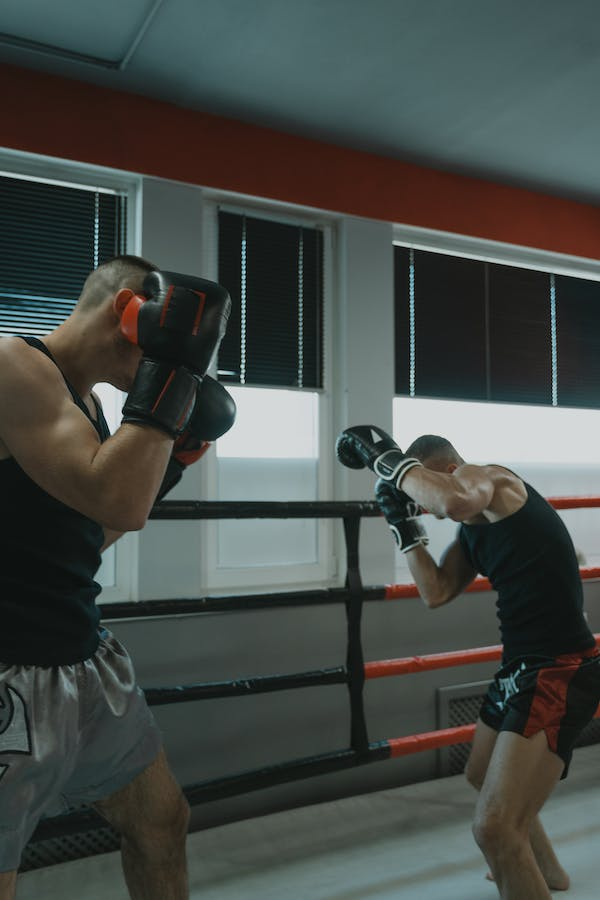
Understanding the Muay Thai Stance
In this section, the basics of the Muay Thai stance are explained, including the importance of balance, mobility, and power in executing strikes and blocking techniques. The proper placement of the feet, knees, hips, and shoulders is discussed in detail, along with common mistakes beginners make when trying to execute the stance.
The Muay Thai stance is a crucial foundation for practicing the art of Muay Thai. It provides a strong and balanced position from which you can launch strikes, defend, and move effectively. Here's a breakdown of the key elements and principles of the Muay Thai stance:
1. Balance: Balancing your weight evenly on both legs is essential. Distribute your weight between your front leg and your back leg, keeping your body centered between them. This allows for stability and swift movements in any direction.
2. Foot Placement: Position your feet shoulder-width apart, angled slightly outward. The front foot should be turned to about a 45-degree angle while the back foot is turned at a more natural angle. This positioning enables you to generate power and pivot when necessary.
3. Knees and Hips: Bend your knees slightly to maintain balance and mobility. Your hips should be slightly tucked in, engaging your core muscles and promoting stability.
4. Shoulders and Hands: Keep your shoulders relaxed and your hands up to protect your head and face. Your lead hand (same side as your front foot) should be slightly forward, with your elbow resting against your ribcage. The rear hand should be held slightly higher, ready to strike or block.
5. Chin and Eyes: Tuck your chin down slightly, protecting your jawline. Keep your eyes focused forward, alert and aware of your opponent's movements.
Common mistakes to avoid:
1. Leaning too far forward or backward: Maintain an upright posture to optimize balance and mobility.
2. Crossing the feet: Avoid crossing or stepping on your own feet, as it compromises stability and limits movement.
3. Dropping the hands: Keep your hands up at all times to protect your face and be ready to defend or strike.
4. Stiffness: Stay relaxed and fluid in your stance, allowing for quick movements and smooth transitions.
5. Neglecting weight distribution: Ensure your weight is evenly distributed, avoiding putting too much weight on one leg which can make you vulnerable to strikes or takedowns.
Practice and repetition are key to mastering the Muay Thai stance. It provides a solid foundation for further training and techniques in the art of Muay Thai. Remember to always train under the guidance of a qualified instructor to ensure proper technique and safety.
Footwork and Weight Distribution
This section focuses on the role of footwork and weight distribution in the Muay Thai stance. The optimal stance for different fighting styles is discussed, as well as the benefits of light-footedness and quick movements in countering opponents. Proper weight distribution between the front and back leg is also emphasized here, along with drills and exercises to improve footwork and balance.
Footwork and weight distribution play crucial roles in Muay Thai, enabling effective movement, agility, and power. Here's a closer look at their importance:
1. Fighting Styles and Stance: The optimal stance varies depending on your fighting style. In Muay Thai, there are two primary stances: Orthodox and Southpaw. In the Orthodox stance, your left leg is forward, while in the Southpaw stance, your right leg is forward. Choose the stance that feels more natural to you and allows for better coordination and balance.
2. Light-Footedness and Quick Movements: Being light on your feet allows for quick movement and the ability to react swiftly to your opponent's attacks. Stay on the balls of your feet, ready to pivot or slide in any direction. This footwork enables you to close the distance, avoid strikes, and effectively counter your opponent.
3. Weight Distribution: Proper weight distribution between your front and back leg is vital. Distribute around 60-70% of your weight on your back leg and 30-40% on your front leg. This distribution allows for balanced power generation and enables you to switch between offensive and defensive techniques efficiently.
4. Footwork Drills and Exercises: Consistent practice can improve footwork and balance. Here are a few drills to incorporate into your training:
Shadowboxing: Shadowboxing helps develop footwork, rhythm, and fluidity. Practice moving around, throwing strikes, blocking, and evading imaginary opponents.
Skipping and Jumping Rope: Skipping and jump rope exercises enhance footwork, coordination, and endurance. Regular skipping sessions can improve your footwork speed and agility.
Cone Drills: Set up cones or markers in various patterns and practice moving around them, incorporating lateral movements, pivots, and direction changes. This drill enhances footwork, agility, and spatial awareness.
Ladder Drills: Utilize an agility ladder or create markings on the ground with tape. Perform quick footwork patterns, such as high knees, lateral shuffles, and quick sprints, improving foot speed and coordination.
5. Balance and Core Training: Strengthening your core muscles helps maintain stability and balance during movement. Incorporate exercises such as planks, Russian twists, and medicine ball rotations into your training routine.
Remember, proficiency in footwork and weight distribution takes time and practice. Stay focused, train consistently, and seek guidance from experienced trainers or coaches to refine your technique and maximize your potential in Muay Thai.
Hip Alignment and Shoulder Positioning
Hip alignment and shoulder positioning are crucial aspects of the Muay Thai stance, as they contribute to maximizing striking power and defense effectiveness. In this section, the proper alignment of the hips and shoulders is discussed, along with the role of the core muscles in stabilizing movements. Tips on how to avoid common mistakes when performing hip and shoulder movements are also provided.
Hip alignment and shoulder positioning are essential for generating power, maintaining stability, and protecting yourself in Muay Thai. Let's delve into these aspects in more detail:
Hip Alignment:
1. Square Hips: Keep your hips squared toward your opponent, which means they should be parallel to your opponent rather than facing sideways. This position allows you to generate maximum power in your strikes and maintain a strong base.
2. Engage the Core: Engage your core muscles to stabilize your hips. This involves contracting your abdominal muscles and pulling your navel toward your spine. A strong core provides stability, protects your lower back, and allows for effective transfer of power throughout your body.
3. Avoid Overrotating: Avoid excessively rotating your hips during strikes or defensive movements, as it can compromise balance and leave you vulnerable. Maintain a controlled rotation that aligns with the technique you are executing.
Shoulder Positioning:
1. Relaxed and Raised Shoulders: Keep your shoulders relaxed and slightly raised. Avoid shrugging your shoulders or tensing them, as this wastes energy and restricts mobility.
2. Guard Position: Your lead shoulder should be slightly forward, with the elbow resting against your ribcage. The rear shoulder should be elevated slightly higher, ready to defend or strike. This guard position protects your face and allows for quick defensive movements.
3. Punches and Shoulder Rotation: When throwing punches, rotate your shoulder and hip simultaneously to generate power. Proper shoulder rotation adds torque to your strikes, enhancing their effectiveness.
Common Mistakes to Avoid:
1. Hiking Shoulders: Do not raise your shoulders too high, as it can create unnecessary tension and inhibit fluid movements. Keep them relaxed and slightly raised, maintaining good posture.
2. Overarching the Lower Back: Avoid arching your lower back excessively, as it can strain the lumbar spine and compromise balance. Engage your core and maintain a neutral spine position.
3. Stiffness: Keep your movements fluid and avoid stiffness in your hip and shoulder rotations. Being relaxed and agile allows for efficient striking and defensive maneuvers.
Focus on maintaining proper hip alignment, engaging your core, and positioning your shoulders correctly. Practicing drills and shadowboxing can help develop muscle memory and improve your technique. Work with a qualified Muay Thai instructor to refine your hip and shoulder movements, as their guidance can be invaluable in correcting any mistakes and optimizing your performance.
Questions and Answers:
Q: What are the benefits of mastering the Muay Thai stance?
A: Mastering the Muay Thai stance allows you to maintain balance, mobility, and power in executing strikes and blocking techniques, giving you an edge over your opponents.
Q: How can I improve my footwork in the Muay Thai stance?
A: You can improve your footwork by practicing drills that focus on quick movements, lateral and diagonal steps, and proper weight distribution. Shadowboxing and sparring with a partner can also help you develop your footwork and balance.
Q: What are some common mistakes beginners make when performing the Muay Thai stance?
A: Some common mistakes include improper alignment of the hips and shoulders, overextending the front leg, leaning too far forward or backward, and neglecting footwork and weight distribution. Practice and guidance from a qualified instructor can help correct these mistakes.
 Buy NowSee More: Wholesale Products
