
10 Tips for Perfect Pizza Making at Home
Upload time :September 7, 2023
Shares
Reads
In this blog post, we will provide ten expert tips for making perfect pizza at home. These tips cover everything from ingredient selection to cooking techniques and will help you create delicious pizzas that rival those from your favorite restaurant.
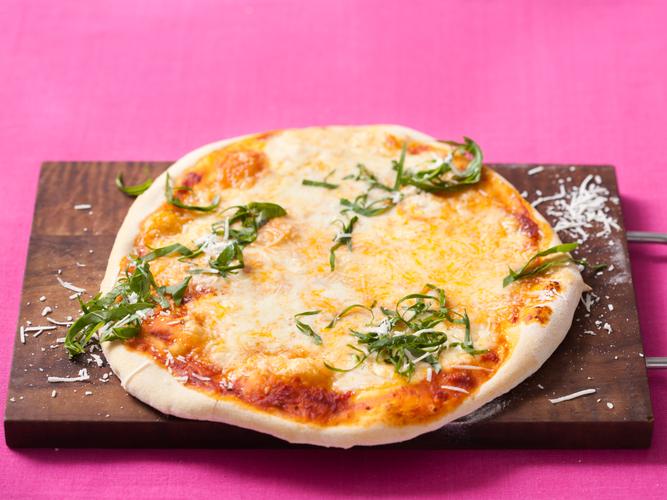
Selecting the Right Ingredients
When it comes to making great pizza, choosing the right ingredients is of utmost importance. Starting with high-quality flour is crucial as it forms the foundation of the pizza crust. Opting for a flour with a high protein content, such as bread flour or tipo 00 flour, will result in a chewy and flavorful crust.
Equally important is the selection of yeast. Fresh yeast or active dry yeast are the most common options. Fresh yeast has a higher moisture content and provides a more pronounced flavor, while active dry yeast is more readily available and easier to use.
The choice of cheese can make or break a pizza. Mozzarella is the traditional choice, known for its stretchy, gooey texture. However, you can experiment with other types of cheese as well, such as provolone, cheddar, or even a combination of different cheeses. It all depends on your personal preferences and desired flavor profile.
When it comes to toppings, the options are virtually endless. From classic pepperoni and mushrooms to more adventurous combinations like arugula and prosciutto, the choice is yours. However, it's important to ensure that the toppings are fresh and of high quality. This will ensure that they enhance the overall taste of the pizza.
To complete the pizza experience, a homemade pizza sauce is essential. While store-bought options are readily available, making your own allows you to customize the flavors to your liking. Start with a base of canned tomatoes, add in herbs like basil and oregano, and season to taste with salt, pepper, and garlic. Simmer the sauce to allow the flavors to meld together, and you'll have a sauce that perfectly complements your crust.
In conclusion, selecting the right ingredients is the foundation of making a great pizza. From high-quality flour and yeast to flavorful cheese and fresh toppings, each component plays a crucial role in creating a delicious pizza. Don't forget to top it off with a homemade pizza sauce that adds the perfect flavor to your crust. With the right ingredients, you'll be well on your way to creating the perfect pizza every time.
Mastering the Dough
Mastering the dough is essential for creating a delicious pizza. The process begins with kneading the dough, which helps develop the gluten, giving the crust its elasticity and chewiness. It is important to knead the dough until it becomes smooth and pliable, usually for about 8-10 minutes.
After kneading, the dough needs to rise. This step allows the yeast to ferment the dough, creating air bubbles that contribute to a light and airy crust. Place the dough in a bowl, cover it with a damp cloth, and let it rise in a warm spot for about an hour or until it has doubled in size.
Once the dough has risen, it is time to shape it. There are various techniques for shaping pizza dough, depending on the desired thickness and style of the crust. For a thin-crust pizza, gently stretch and shape the dough with your hands, being careful not to tear it. If you prefer a thicker crust, use a rolling pin to achieve the desired thickness.
If you are making a deep-dish pizza, press the dough into a greased deep-dish pan, making sure to spread it evenly along the bottom and sides. The dough should be thick enough to hold the toppings and sauce without becoming soggy.
Experimenting with different dough recipes can also enhance your pizza-making skills. Traditional Neapolitan dough uses a combination of flour, water, yeast, and salt. If you prefer a crispier crust, adding a small amount of sugar or olive oil to the dough can achieve this result. Whole wheat or gluten-free flour can also be used for a healthier alternative.
In conclusion, mastering the dough is an essential step in making a great pizza. Kneading, rising, and shaping the dough are all crucial elements to achieve the perfect texture and thickness for your desired style of pizza. Experiment with different recipes and techniques to find the one that suits your taste preferences. With practice, you'll be able to create a homemade pizza with a truly delicious crust.
Cooking Techniques and Tools
Cooking techniques and tools play a crucial role in achieving the perfect pizza at home. While a traditional brick oven is ideal, most home cooks use a conventional oven. Preheating the oven to a high temperature, such as 475-500°F (245-260°C), is key to achieving a crispy crust.
If you want to take your pizza to the next level, using a pizza stone is highly recommended. A pizza stone mimics the effects of a brick oven by absorbing and distributing heat evenly, resulting in a crispier crust. Place the pizza stone in the oven while it preheats, and then slide the pizza onto the stone for baking.
Another alternative cooking method is grilling. Grilling gives the pizza a smoky and charred flavor. Preheat the grill on high heat and brush the grates with oil to prevent sticking. Place the pizza directly on the grill and cook for a few minutes until the crust is crispy and the cheese is melted.
To achieve a crispy crust, it is important to roll out the dough thin or stretch it evenly. Thicker dough may result in a doughy texture. Additionally, using a pizza peel to transfer the pizza onto the oven or grill can help prevent the dough from sticking or tearing.
When it comes to toppings, it is important to not overload the pizza. Too many toppings can weigh down the crust and result in a soggy pizza. Spread a thin layer of sauce, then add a moderate amount of cheese and toppings for the best results.
Lastly, keep a close eye on the pizza while it bakes. Cooking times may vary depending on the thickness of the crust and the temperature of the oven. The pizza should be golden brown and the cheese should be melted and bubbly.
In conclusion, choosing the right cooking techniques and tools can elevate your homemade pizza. Whether using a conventional oven, a pizza stone, or grilling, each method offers its own unique flavor and texture. Remember to preheat the oven or grill, roll out the dough thin, and use moderate toppings for a perfect crispy crust and bubbly toppings. With practice and experimentation, you'll soon master the art of making delicious pizza at home.
Questions and Answers:
Q1. What type of flour is best for pizza making?
A1. High protein flour such as bread flour or Tipo 00 flour is ideal for making pizza dough.
Q2. Can I substitute active dry yeast for instant yeast in pizza dough?
A2. Yes, but you will need to adjust the amount and activate it before adding it to your dough.
Q3. How do I prevent my pizza toppings from sliding off during baking?
A3. Precook any watery or heavy toppings, use a light hand when applying sauce and cheese, and avoid overloading your pizza with toppings.
 Buy NowSee More: Wholesale Products
