
Behind This Latest Feature of Smart Watches is The Helplessness of The Entire Industry
Upload time :September 15, 2023
Shares
Reads
Not long ago, we at Sanyi Life pointed out the "rift" between Google and Samsung on the smart watch cooperation project in related content. However, before the release of Qualcomm's second-generation Pixel Watch, which has been "core changed", at least the two companies will still maintain a superficial "close relationship."
Because of this, Samsung’s Galaxy Watch 4 and Galaxy Watch 5 series smartwatches were the first to receive the Google Wear OS 4 update in the name of “One UI 5 Beta”. In this latest version of Google smartwatch operating system, we have indeed found a new feature worth mentioning.
The name of this function is called "reset-free phone-switching". Simply put, it allows users to directly switch it to a state of pairing with another phone without resetting the watch, erasing data on the watch, or reinstalling the applications on the watch.
At first glance, this seems to be a very simple, even low-tech change. But behind this "small function", we can see the entire smart watch industry's current "self-awareness" of product positioning and the supply chain behind it.
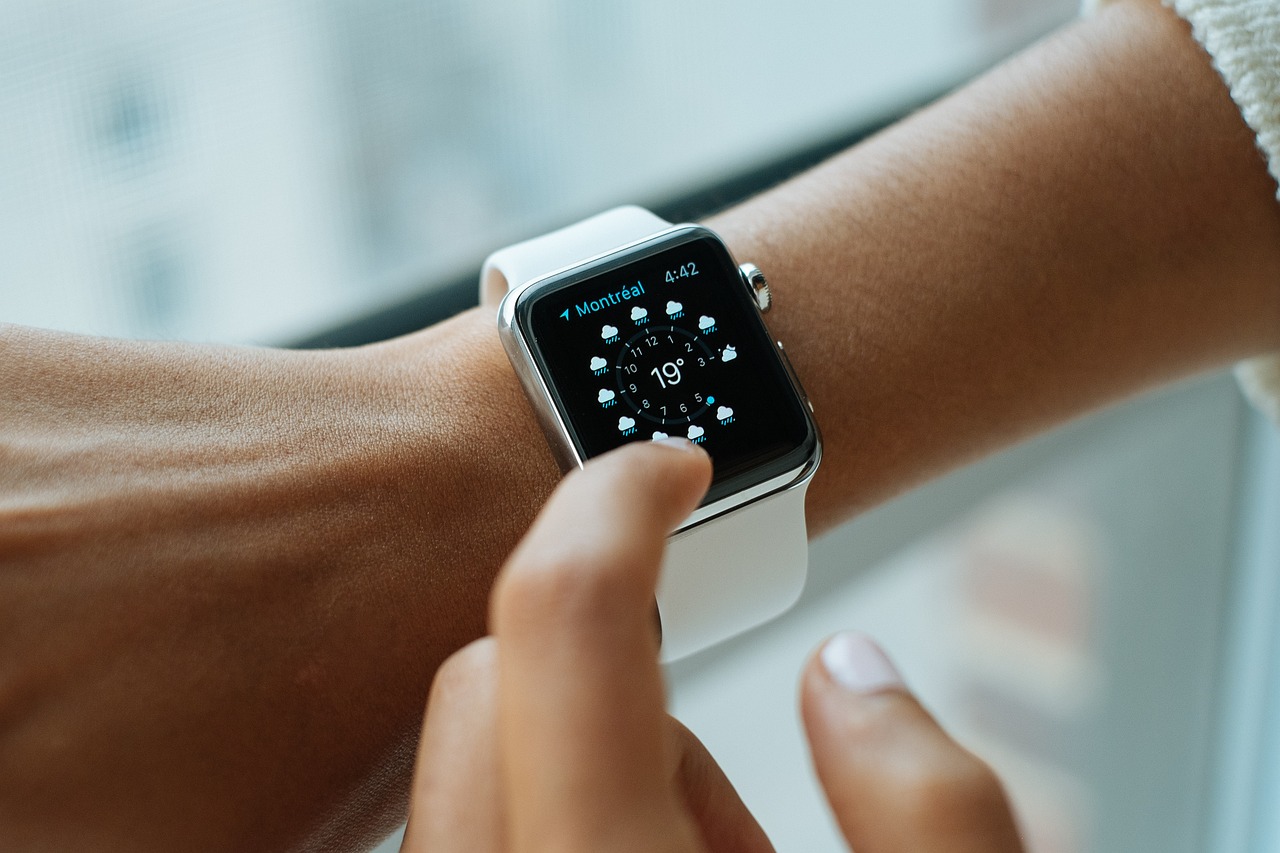
Reset-free phone-switching
One convenient feature offered by certain smartwatches these days is the ability to easily switch the phone it is paired with, without needing to reset or reconfigure the watch. This allows users to seamlessly transition their smartwatch from one smartphone to another, which can be very useful in certain situations.
For example, if you upgrade to a new phone but still want to use your existing smartwatch, you don't have to go through the hassle of unpairing and resetting the watch to work with the new phone. The watch can detect and connect to the new phone automatically in many cases. This makes the switching process quick and painless.
Some smartwatches also allow you to be paired with two phones at the same time. This means you can receive notifications and take calls from either phone on your smartwatch. When you want to switch which phone is actively connected, you simply select it on the smartwatch interface. The ability to effortlessly switch between two paired phones gives you even more flexibility.
In summary, the reset-free phone-switching capability on modern smartwatches eliminates the inconvenience of having to reset and reconfigure your smartwatch when you get a new phone. With a smooth and automatic transition between smartphones, it makes changing phones while keeping your favorite smartwatch a breeze. This hands-free experience improves quality of life by saving you time and hassle.
Several leading smartwatch brands now offer the ability to switch smartphones without needing to reset the watch, thanks to advancements like cloud-syncing and improved Bluetooth pairing protocols. Apple Watches running watchOS 5 or later can seamlessly swap between iPhones; Samsung's Galaxy Watches smoothly transition between Android phones using the Galaxy Wearable app; Fitbit smartwatches like the Sense and Versa quickly switch between Android and iOS via the Fitbit app; Fossil's Wear OS watches retain data after pairing to a new phone through Google cloud backup; Garmin smartwatches enable phone changes without full resets through the Garmin Connect app; and TicWatch Wear OS watches also effortlessly switch phones using Google's cloud-syncing features. With this reset-free phone-switching functionality, these major players - including Apple, Samsung, Fitbit, Fossil, Garmin and TicWatch - provide convenience and flexibility for smartwatch users who get new smartphones. The hands-free experience saves time and hassle.
Change your watch when you change your phone
That is used to be the consensus in the smart watch industry.
First of all, we need to briefly analyze for everyone why smart watches in the past generally required users to reset them when switching the bound mobile phone.
On the surface, this is because smart watches may contain a large number of users' personal privacy information, including but not limited to the user's physical data, fitness history, application notifications synchronized from the mobile phone, text messages, and call records, etc.
But you might as well think about it carefully. If we change the mobile phone bound to the smart watch, the owner of the mobile phone has not changed. Is it really necessary to clear the "traces" of the previous mobile phone on the watch? Obviously, it's not necessary.
Therefore, this leads to the conclusion that the reason why smart watches in the past required "resetting before changing the strap" is because the manufacturer assumed that only consumers no longer want this smart watch and are ready to sell it. Or when giving it to others, you need to replace it with the bound mobile phone. Only at this time, it is of course necessary to clear the original user information on the watch.
It is not difficult to find that this also means that for a long time in the past, smart watch manufacturers have actually been assuming that consumers have the same service life of smart watches as their smartphones. In other words, when they change to a new smartphone, they will inevitably buy a new smart watch at the same time. Therefore, old smart watches do not need to consider re-pairing with new phones. Therefore, if you want to change the paired phone, you must first reset it and completely delete the relevant data.
Change the phone without changing the watch
This has become the mainstream practice for many users.
In the same way, when Google added the "replacement-free" function in Wear OS 4, although on the surface, it meant that smart watch manufacturers (or the leader of the entire "Google Watch" ecosystem, also Google itself) finally realized that the lifespan of smart watches is actually out of sync with smartphones in most cases.
In other words, a large number of consumers have changed to new smart phones but have not purchased new smart watches, so they need to use "new phone + old watch" switching pairing. In this case, if the watch needs to be reset first and then switched to pairing, it is obviously unnecessary. And this will also cause users to have to reinstall the software they are used to and re-make a large number of settings after re-pairing, which actually adds to the trouble.
So, why has "changing phones without changing watches" become the mainstream today, so much so that the smartwatch industry has even taken the initiative to make changes for this? The problem may lie in the upstream chip supply.
Behind the change of attitudes
It is the helplessness of the smart watch industry over the "lack of cores".
As we all know, smartphone SoCs have been undergoing major upgrades every year in recent years. And each generation of SoC can basically bring about 20 to 30% or even greater performance improvement.
With such a large improvement, for consumers who pay attention to performance, “changing their phones every year” has become understandable behavior. Especially considering that mobile games are becoming more and more performance-hungry and are increasingly closely integrated with new SoCs. In many cases, gamers really need the latest flagship models in order to fully experience the "highest image quality + highest frame rate" "Laman's enjoyment.
The Huawei Watch 4 series, which has been a hot topic recently, uses the Qualcomm Snapdragon W5 Gen1 released in July last year.
However, in comparison, the speed of smart watch SoC progress is far less rapid. For example, the Qualcomm Snapdragon W5 Gen1 controller, which represents the "highest performance level" of smart watches in the Android camp, was actually released in July last year, almost a year ago. However, so far there is no news about its upcoming update.
For another example, Samsung is about to release their latest smartwatch controller, the Exynos W980. It is said that this will be a solution based on the 3nm process with extremely high energy efficiency. But everyone should know that its "predecessor product" Exynos W920 was released in August 2021, which is actually almost two years ago.
Not to mention, in Apple’s Apple Watch series, the CPU part of the three generations of SiP controllers from S6 to S8 has not been updated, but only continues to improve the performance of peripheral sensors and co-processors. Therefore, it can also be considered that there cannot be much difference in theory between the three generations of "Apple Watches" from the 6th generation to the 8th generation in terms of their computing power levels and the accuracy of various fitness algorithms.
Because of this, smart watch manufacturers certainly know that it is difficult for smart watches to keep up with the "annual replacement" of smartphones as long as the SoC provided by upstream suppliers does not change. Not to mention the new (smart watch) products launched by some brands every year, whether they can attract consumers to upgrade every time. For most brands, it may be difficult to even launch replacement products every year.
Understand this, and then look back at Google's intention to provide the "replacement-free device" function in Wear OS 4, it is not difficult to realize that it actually symbolizes a kind of "self-relief" for the smart watch industry". Since it is impossible to replace smartphones every year (and attract consumers to buy new models every year), it is natural that we must take into account the situation of users "changing phones without changing watches".
 Buy NowSee More: Wholesale Products
