
What are the different types of military uniforms?
Upload time :December 21, 2023
Shares
Reads
Military uniforms are an important aspect of the military and serve a variety of purposes. There are different types of military uniforms that are worn depending on the occasion and rank of the individual. The purpose of military uniforms is to identify soldiers and create a sense of unity within the military. There are significant differences between dress and combat uniforms, with dress uniforms being more formal and worn for ceremonial occasions while combat uniforms are designed for practicality and protection in the field. Military uniforms have a rich historical significance, with each uniform design reflecting the values and traditions of a particular era. Uniformity is also crucial in the military because it creates a sense of discipline and order, which is necessary for effective operations. Overall, military uniforms play a vital role in the military and are an important symbol of service, sacrifice, and duty.
1. Types of military uniforms
Military uniforms have existed for centuries and serve a variety of purposes. They not only identify members of a particular military branch but also instill a sense of pride, discipline, and belonging among soldiers. Each type of uniform has its own unique features and purpose, depending on the branch of service, rank, and occasion. In this article, we will explore the different types of military uniforms used by various branches of the armed forces.
The Army, being the largest branch of the U.S. military, has a diverse range of uniforms that vary based on location, season, activity, and rank. The most commonly seen uniform is the Army Combat Uniform (ACU), which is worn during field exercises, training, and combat operations. The ACU consists of a digitized camouflage pattern in shades of green, gray, and tan, which blends well with the environment. In addition to the ACU, soldiers wear dress uniforms for formal occasions such as ceremonies, parades, and official events. These include the Army Service Uniform (ASU) for officers and the Army Green Service Uniform (AGSU) for enlisted personnel. The ASU and AGSU consist of a dark blue jacket and pants with a gold stripe along the sides of the pants, a white shirt, black tie, and black shoes.
2. Marine Corps Uniforms
The Marine Corps has a distinctive uniform that sets it apart from other branches of the military. The Marine Corps Combat Utility Uniform (MCCUU) is similar to the Army's ACU but with a different camouflage pattern consisting of a mix of green and brown in a pixelated design. The MCCUU also includes a "Marine Corps" emblem on the left breast pocket. In addition to the MCCUU, Marines wear dress uniforms for formal occasions, which include the Blue Dress, Blue-White Dress, and Evening Dress.
3. Navy Uniforms
The Navy has several types of uniforms that vary based on rank, function, and occasion. The most common uniform is the Navy Working Uniform (NWU), which is worn during daily activities such as maintenance, watch-standing, and training. The NWU consists of a blue-gray digital camouflage pattern and is designed to be practical and functional. For formal events, sailors wear dress uniforms such as the Service Dress Blue, Dinner Dress Blue, and Dress White. These uniforms consist of a dark blue or white jacket and pants, a white shirt, and black shoes.
4. Air Force Uniforms
The Air Force has a distinctive blue uniform that sets it apart from other branches of the military. The Airman Battle Uniform (ABU) is similar to the Army's ACU, but with a different camouflage pattern consisting of shades of gray and blue. The ABU also includes an "Air Force" emblem on the left breast pocket. For formal occasions, airmen wear dress uniforms such as the Service Dress Blues and Mess Dress Uniforms. These uniforms consist of a dark blue jacket and pants, a light blue shirt, black tie, and black shoes.
5. Coast Guard Uniforms
The Coast Guard has a variety of uniforms that vary based on location, rank, and occasion. The standard uniform worn by most Coast Guard personnel is the Operational Dress Uniform (ODU), which is similar to the Navy's NWU and consists of a blue-gray digital camouflage pattern. For formal events, Coast Guard members wear dress uniforms such as the Service Dress Blue and Dinner Dress Blue. These uniforms consist of a dark blue jacket and pants, a white shirt, black tie, and black shoes.
In conclusion, military uniforms serve an important role in identifying members of a particular branch of service, promoting discipline, and instilling a sense of pride in those who wear them. Each branch of the military has its own unique uniforms that vary based on rank, location, and occasion. Whether in the field or at a formal event, these uniforms serve as a symbol of the sacrifices made by our men and women in uniform and exemplify the values of duty, honor, and country.
2. Purpose of military uniforms
Military uniforms are designed to serve various functions beyond just representing the military organization. The purpose of military uniforms has evolved over time, and today, they serve several critical functions beyond identifying troops. The different types of military uniforms that exist today are designed to meet specific requirements related to the environment, task, and rank.
The primary function of military uniforms is to represent the country's armed forces and differentiate them from civilians. Military uniforms are also used to represent different branches of the military, such as the Army, Navy, Air Force, and Marine Corps. Each branch has its unique uniform design and color scheme to distinguish them from other branches.
Another important function of military uniforms is to create a sense of unity and discipline among the troops. Wearing a uniform signals that an individual belongs to a particular group and shares common values and goals with other members. Uniforms also help to promote discipline by eliminating dress code disparities and preventing soldiers from standing out due to their fashion choices.
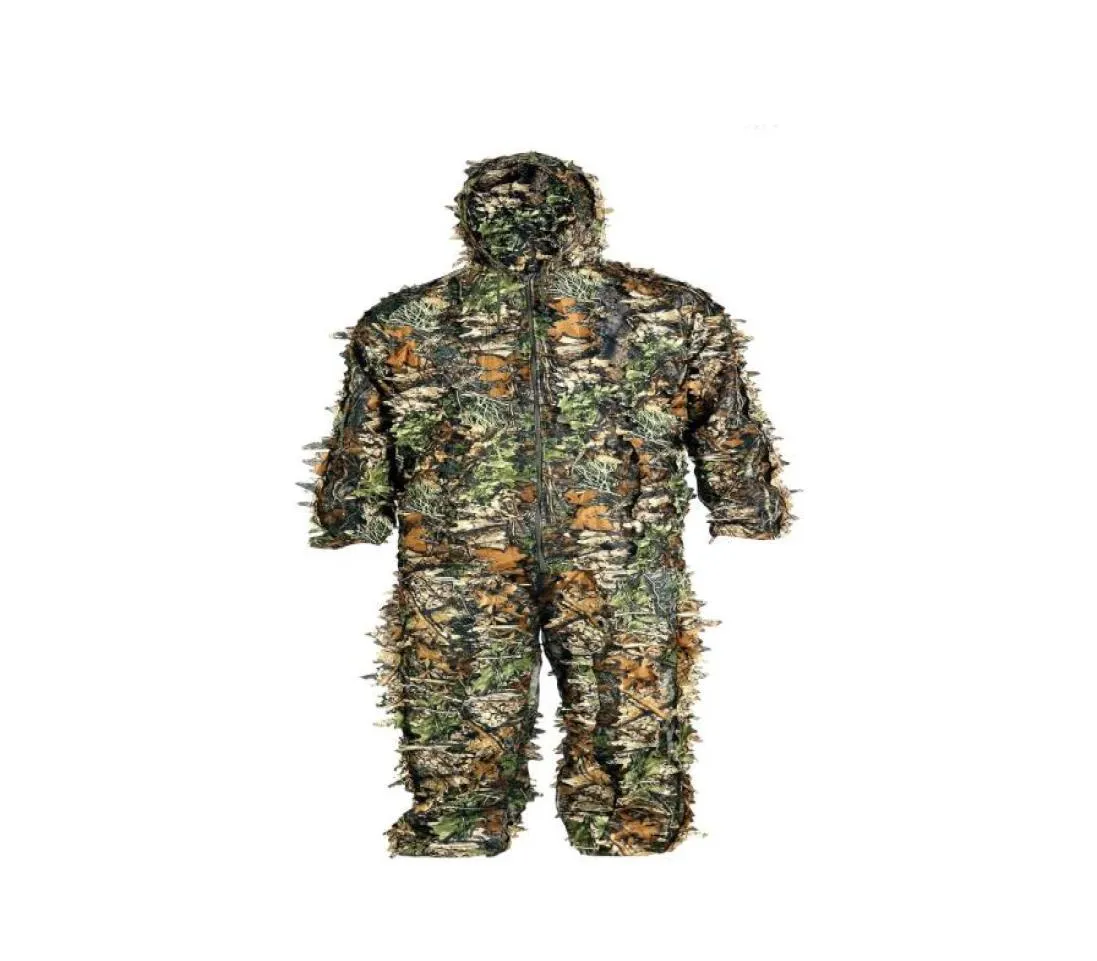
Military uniforms are made to withstand harsh environmental conditions that soldiers may encounter while on duty. Different types of military uniforms are designed to protect soldiers from extreme weather conditions like rain, snow, wind, and heat. For instance, desert camouflage uniforms are designed to blend in with a sandy environment, while woodland camouflage uniforms are designed for wooded areas and jungles. Military uniforms designed for cold-weather environments have thick insulation and are water-resistant to keep troops warm and dry.
Military uniforms also serve a protective purpose. They are designed to provide protection to soldiers in combat situations. Bulletproof vests, helmets, and boots are standard military gear that is worn to provide protection against explosives and gunfire. The materials used to make these uniforms are durable, flame-resistant, and moisture-wicking.
Aside from providing protection, military uniforms also communicate rank and authority within the military hierarchy. Each military rank has a corresponding uniform that indicates their level of authority and responsibilities. Typically, higher-ranking officers wear more intricate and decorated uniforms than those of lower ranks. Examples of these include generals' uniforms, which feature many gold and silver stars to indicate their high rank.
In conclusion, the different types of military uniforms serve multiple functions, including distinguishing soldiers from civilians, promoting discipline and unity, protecting troops from environmental hazards and combat situations, and communicating rank and authority. Whether it is the Army, Navy, Air Force, or Marine Corps, each branch of the military has its unique uniform design that aligns with its mission, values, and functions. Military uniforms have evolved over the years, but they remain essential aspects of military life, representing the pride, honor, and sacrifice that soldiers make to protect their nation's security.
3. Differences between dress and combat uniforms
Military uniforms are an essential part of the military personnel’s attire. They serve many purposes, including identification, protection, and representation. Additionally, uniforms help to promote discipline and unity amongst troops. The types of military uniforms vary depending on the occasion, environment, and job description. In this article, we shall look at the different types of military uniforms and the differences between dress and combat uniforms.
Dress Uniforms
Dress uniforms are the most formal type of military uniform. They are worn during special occasions such as weddings, funerals, parades, and other formal events. Dress uniforms are designed to portray a professional and respectful image to the public. They come in various styles and colors depending on the branch of service and rank of the military personnel.
Army Dress Uniform
The Army dress uniform is also known as the Army Service Uniform (ASU). It is typically worn by officers, non-commissioned officers, and enlisted soldiers for formal events. The ASU has a blue jacket, white shirt, black tie, and black trousers with a gold stripe. Ribbons, medals, and badges are worn on the jacket.
Marine Corps Dress Uniform
The Marine Corps dress uniform is referred to as the Blue Dress Uniform. It is worn by Marines for formal occasions. The uniform consists of a blue coat, khaki shirt, blue trousers, and a white belt. Medals, insignia, and ribbons are worn on the coat.
Navy Dress Uniform
The Navy dress uniform is commonly known as the Service Dress Blues (SDB). The SDB is worn by sailors for formal events and official ceremonies. The uniform consists of a navy blue jacket, trousers, and a white shirt. Ribbons, medals, and badges are worn on the jacket.
Air Force Dress Uniform
The Air Force dress uniform is referred to as the Service Dress Uniform (SDU). The SDU is worn by Airmen for formal events and ceremonies. The uniform consists of a blue jacket, trousers, and a light blue shirt. Ribbons, medals, and badges are worn on the jacket.
Combat Uniforms
Combat uniforms are designed to be worn during tactical operations and training. They are designed to provide comfort and protection while on the field. Combat uniforms come in various designs and colors depending on the branch of service and terrain of operation.
Army Combat Uniform
The Army Combat Uniform (ACU) is worn by soldiers during active duty operations and training. The ACU is designed to provide maximum protection and comfort in combat situations. The uniform consists of a camouflage patterned coat, trousers, and a patrol cap. The ACU also has pockets designed to carry ammunition, first aid kits, and other equipment.
Marine Corps Combat Uniform
The Marine Corps Combat Utility Uniform (MCCUU) is worn by Marines during combat operations and training. The MCCUU is designed to provide maximum protection and comfort in extreme environments. The uniform consists of a desert or woodland camouflage patterned coat, trousers, and a boonie hat. The MCCUU also has pockets designed to carry equipment.
Navy Working Uniform
The Navy Working Uniform (NWU) is worn by sailors during routine duties and training. The NWU is designed to provide comfort and protection in various environments. The uniform consists of a digital camouflage patterned coat, trousers, and a baseball cap. The NWU also has pockets designed to carry equipment.
Air Force Combat Uniform
The Airman Battle Uniform (ABU) is worn by Airmen during combat and training operations. The ABU is designed to provide maximum protection and comfort in various environments. The uniform consists of a tiger stripe patterned coat, trousers, and a patrol cap. The ABU also has pockets designed to carry equipment.
Differences between Dress and Combat Uniforms
Dress uniforms and combat uniforms have several differences. Firstly, dress uniforms are more formal and are typically worn during special occasions. On the other hand, combat uniforms are designed for tactical operations and training.
Secondly, dress uniforms have a more structured design with fewer pockets compared to combat uniforms. Dress uniforms are primarily designed to portray a professional and respectful image, while combat uniforms are designed to carry equipment and provide maximum protection and comfort during combat.
In conclusion, military uniforms are an important aspect of military personnel’s attire. They serve various purposes, including identification, protection, and representation. Dress uniforms are worn during formal occasions, while combat uniforms are designed for tactical operations and training. Military personnel should always wear appropriate uniforms depending on the occasion, environment, and job description.
4. Historical significance of military uniforms
Military uniforms are an important part of any nation's military history. They represent the discipline, sacrifice, and courage of soldiers who serve their country. Military uniforms have evolved over time and have been influenced by various factors such as technology, social norms, and cultural traditions.
There are different types of military uniforms that vary in style, color, and function. The most common types of military uniforms include dress uniforms, battle dress uniforms, service uniforms, and utility uniforms.
1. Dress Uniforms
Dress uniforms are typically worn during formal occasions such as military ceremonies, parades, or official events. They are designed to showcase the dignity, honor, and prestige of the military personnel. Dress uniforms are usually made from high-quality fabrics such as wool or polyester and feature decorative elements such as gold braid, epaulets, medals, and badges.
The design of dress uniforms varies depending on the branch of the military. For instance, the Army dress uniform features a blue jacket with brass buttons, a white shirt, black bow tie, dark blue trousers, and black shoes. The Marine Corps dress uniform, on the other hand, includes a green coat with red trim, a white belt, white gloves, and black shoes.
2. Battle Dress Uniforms
Battle Dress Uniforms (BDUs) are designed for combat or field operations. They are practical, durable, and provide camouflage to help soldiers blend into their surroundings. BDUs are usually made from cotton or polyester and come in different colors and patterns. Some of the common patterns include woodland, desert, and digital camo.
BDUs feature pockets, zippers, and Velcro closures to allow soldiers to carry essential gear such as ammunition, grenades, and first aid kits. They also have reinforced knees and elbows to provide extra protection against wear and tear.
3. Service Uniforms
Service uniforms are worn by military personnel during day-to-day activities such as working in the office, attending meetings, or performing administrative duties. They are less formal than dress uniforms but more professional than utility uniforms. Service uniforms are designed to be comfortable and easy to move around in.
The design of service uniforms varies depending on the branch of the military. For example, the Navy service uniform consists of a navy blue jacket, black slacks, a white shirt, and a black tie. The Air Force service uniform includes a blue jacket with silver buttons, charcoal gray trousers, and a light blue shirt.
4. Utility Uniforms
Utility uniforms are designed for tasks that require physical labor such as maintenance work, construction, or training exercises. They are typically made from sturdy fabrics such as cotton or polyester and come in a variety of colors such as khaki, olive drab, or navy blue.
Utility uniforms feature practical elements such as pockets, loops, and belts to allow soldiers to carry tools and equipment. They are also designed to be easy to clean and maintain.
Historical Significance of Military Uniforms
Military uniforms have played a significant role in shaping the history of warfare and military strategy. In ancient times, military uniforms were used to identify soldiers on the battlefield and distinguish them from enemies. This was especially important during close combat where soldiers had to rely on their instincts and training to know who to fight and who to avoid.
During the Middle Ages, knights wore armor and carried shields with heraldic symbols to show their allegiance to certain lords or kings. The armor was also designed to protect them from enemy weapons such as arrows, swords, and spears.
In the 17th century, military uniforms became more standardized and began to reflect the social status and rank of the soldiers. Officers wore elaborate uniforms made from silk and decorated with braids, buttons, and gold lace. These uniforms were expensive and were only affordable to wealthy nobles or aristocrats.
In the 19th century, military uniforms became more functional and practical. Soldiers wore uniforms made from durable materials such as wool or cotton and featured simple designs that allowed them to move freely and perform their duties. The introduction of rifles and other firearms also led to a shift in military tactics and strategy, which influenced the design and functionality of military uniforms.
Conclusion
Military uniforms tell a story about the history and evolution of warfare. From the simple tunics of ancient warriors to the elaborate dress uniforms of modern officers, military uniforms have been shaped by various factors such as technology, social norms, and cultural traditions. Regardless of their design or function, military uniforms serve as a symbol of pride, sacrifice, and loyalty to one's country. Whether they are worn during formal ceremonies or on the battlefield, military uniforms represent the dedication and commitment of those who serve our nations.
5. Importance of uniformity in the military
Military uniforms are a symbol of identity, honor, and professionalism. They not only help distinguish soldiers from civilians, but also differentiate between different branches of the military and rank within those branches. Military uniforms have a long history dating back centuries where they were used to distinguish different groups of soldiers in battle.
Today, there are various types of military uniforms that serve different purposes. In this article, we will explore the different types of military uniforms and their importance in the military.
1. Service Dress Uniforms
Service dress uniforms are worn during formal occasions such as military parades, ceremonies, and other official events. The uniform is typically made up of a coat and trousers or skirt, with a shirt and tie for men and a blouse for women. The service dress uniform is often adorned with medals, ribbons, and other badges earned by the soldier throughout their career.
Different branches of the military have their own unique service dress uniforms. For example, the Army’s dress uniform consists of a blue coat and white trousers, while the Navy’s dress uniform is a black coat with gold buttons and blue trousers.
2. Combat Uniforms
Combat uniforms are designed to be practical and functional for soldiers during combat situations. These uniforms are typically made of durable materials like ripstop fabric and feature camouflage patterns to help soldiers blend into their surroundings. Combat uniforms also have numerous pockets and pouches to hold equipment and ammunition.
Combat uniforms are worn during training exercises, field operations, and combat missions. They are also commonly worn by soldiers on deployment and during times of war.
3. Physical Training Uniforms
Physical training uniforms are worn during exercise and physical fitness activities. These uniforms are designed for comfort and flexibility, allowing soldiers to move freely during workouts. They are typically made of lightweight materials like polyester and spandex and feature moisture-wicking technology to keep soldiers cool and dry.
Physical training uniforms may include shorts, t-shirts, sweatshirts, and athletic shoes. They are usually worn during basic training, regular exercise routines, and group PT sessions.
4. Mess Dress Uniforms
Mess dress uniforms are worn during formal dining events such as military balls and galas. These uniforms are similar to service dress uniforms but are more elaborate and formal. They often include white gloves, bow ties, and cummerbunds.
Mess dress uniforms are worn by officers and senior enlisted members of the military and are a symbol of their high status and position within the organization.
5. Importance of Uniformity in the Military
Uniformity is essential in the military for several reasons. First, it helps to maintain discipline and order among soldiers. When everyone is wearing the same uniform, it creates a sense of unity and equality among the ranks.
Second, uniforms help to identify soldiers by branch and rank. This is particularly important during combat situations when soldiers need to quickly identify their comrades and superiors.
Finally, uniforms are a symbol of pride and honor. Soldiers wear their uniforms with pride and understand the significance of their role in defending the country. Uniforms are a visible reminder of the sacrifice and bravery of those who serve in the military.
In conclusion, military uniforms serve a crucial purpose in the military. They not only provide practical benefits like protection and identification, but also represent the values and ideals of the military. By wearing a uniform, soldiers demonstrate their commitment to serving their country and protecting its citizens.
Buy Now
See More: Wholesale Products
Recommended related content
What are the Best Fall Boots for Women?
What are the benefits of using vials glass for storage?
What are the Best Joystick Games for PC?
