
The Ultimate Guide to Skiing Bags How to Choose, Pack, and Carry Your Gear
Upload time :September 7, 2023
Shares
Reads
- Ski Boot Bag: This bag is specifically designed to carry ski boots and other smaller accessories. It usually has a separate compartment or dedicated pockets to keep your boots separate from the rest of your gear. These bags often have padded straps and handles for easy transportation.
- Ski Bag: A ski bag is designed to carry your skis safely and securely. It typically features a long, narrow shape to accommodate skis of various lengths. Ski bags often have padding or foam lining to protect the skis from scratches and dings during transportation. Some ski bags also have additional compartments for ski poles or other gear.
- Ski Backpack: A ski backpack is a versatile option that combines the functionality of a regular backpack with ski-specific features. These bags usually have dedicated compartments for carrying skis diagonally on the back of the backpack. They also offer space for other gear, such as avalanche safety equipment, snacks, water bottles, and extra layers. Ski backpacks often have straps and loops to secure poles and other equipment.
- Ski Travel Bag: A ski travel bag is designed for longer trips, such as flying to ski resorts. These bags provide more extensive protection for your skis and often have padding, reinforced corners, and durable materials to withstand rough handling during travel. They may also have wheels and handles for easier transportation through airports or train stations.
- Ski Duffel Bag: A ski duffel bag offers a simple and spacious option for carrying your ski gear. These bags typically have a wide opening for easy packing and unpacking. They come in various sizes, allowing you to fit multiple pairs of skis, boots, and other gear. Some ski duffel bags may have additional pockets or compartments for organizing smaller items.
- Start with a checklist: Make a list of all the skiing gear you need to pack, including skis, boots, poles, helmet, goggles, gloves, layers, socks, and any other accessories you require. Having a checklist will ensure you don't forget anything important.
- Protect your skis: If you're not using a ski bag, wrap your skis in bubble wrap or use ski straps to secure them together. This will prevent scratches and damage during transportation. If using a ski bag, place your skis inside, making sure they are well-padded and secured.
- Pack boots and helmets first: Place your ski boots and helmet at the bottom of the bag to provide a stable base. You can stuff socks or other soft items inside the boots to save space and provide extra padding.
- Organize small items: Use smaller compartments or pockets in your bag to store items like gloves, goggles, sunglasses, and small accessories. This will keep them organized and easily accessible.
- Utilize packing cubes or bags: Consider using packing cubes or smaller bags to separate and organize your clothing layers. This can make it easier to find what you need without unpacking everything.
- Prioritize essentials: Pack your ski essentials, such as base layers, mid-layers, and ski socks, that you will need for your first day on the slopes. This way, if your luggage is delayed or lost, you'll still have the necessary gear to start skiing.
- Secure loose items: Use straps or compression straps inside the bag to secure and compress your gear. This will prevent items from shifting during transit and reduce the risk of damage.
- Don't forget personal items: Remember to pack other personal items like toiletries, medications, and any non-skiing clothes you may need during your trip.
- Label your bag: Attach a luggage tag or identification label to your skiing bag with your contact information. This will help identify your bag and prevent mix-ups or loss during travel.
- Check weight and size restrictions: Before traveling, ensure your bag meets the weight and size restrictions of your airline or transportation method. Excess weight or oversized bags may incur additional fees or be rejected.
- Choose a bag with comfortable straps: Look for a skiing bag with padded and adjustable shoulder straps. This will distribute the weight evenly and provide added comfort while carrying the bag.
- Use a bag with a waist strap: Some skiing bags come with a waist strap or hip belt. This helps to stabilize the bag and alleviate strain on your shoulders and back. Make sure to secure the waist strap tightly for maximum support.
- Adjust the straps for a proper fit: Before lifting the bag, adjust the shoulder straps to fit your body. The bag should rest comfortably on your shoulders and sit snugly against your back. Avoid carrying the bag too low or too high, as this can strain your back or cause imbalance.
- Carry the bag on both shoulders: When it comes to carrying heavy skiing bags, it's best to distribute the weight evenly by wearing the bag on both shoulders. This helps to prevent strain on a single side and maintain balance while walking.
- Use a backpack-style bag: Opt for a skiing bag that is designed like a backpack rather than a duffel bag. Backpack-style bags are easier to carry for extended periods and provide better weight distribution.
- Take breaks when needed: If you're carrying a heavy skiing bag for a long distance, make sure to take regular breaks to rest your shoulders and back. Find a comfortable spot to sit down and relieve the pressure on your body.
- Use luggage wheels if available: If your skiing bag comes with wheels, take advantage of them! Instead of carrying the bag, pull it along using the wheels to save energy and strain on your body. This is especially helpful in airport terminals or hotel hallways.
- Ask for assistance if necessary: If your skiing bag is particularly heavy or you have difficulty carrying it, don't hesitate to ask for help. Many ski resorts, hotels, or airport staff are willing to assist with luggage transportation.
Summary: If you're planning a skiing trip, you need the right equipment, including a skiing bag. But with so many options available in the market, choosing the right one can be overwhelming. This ultimate guide will help you choose the perfect skiing bag, pack your gear efficiently, and carry it conveniently.
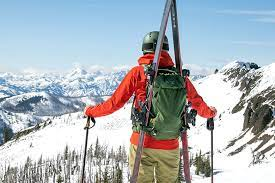
Types of Skiing Bags
When it comes to ski bags, there are several types available to suit different needs and preferences. Here are some common types of skiing bags:
When choosing a ski bag, consider factors such as the size of your skis, the amount of gear you'll be carrying, and the level of protection you need. Additionally, look for bags with sturdy construction, comfortable straps or handles, and features that suit your specific skiing needs.
Remember to check with airlines or travel regulations for any specific requirements or restrictions on ski bags, especially if you plan to travel by air with your gear.
Packing Your Skiing Bag
Packing your skiing bag efficiently and effectively can make your ski trip more enjoyable and hassle-free. Here are some tips for packing your skiing bag:
Remember to double-check your packing list and make sure you have everything you need before closing your skiing bag. With careful packing, you can have a well-organized and stress-free skiing adventure.
Carrying Your Skiing Bag
Carrying your skiing bag properly and comfortably is important to ensure easy transportation during your ski trip. Here are some tips for carrying your skiing bag:
By following these tips, you can carry your skiing bag comfortably and reduce the risk of strain or discomfort during your ski trip. Remember to listen to your body and adjust your carrying technique as needed.
Q&A:
1. What size skiing bag should I choose?
Answer: The right size skiing bag depends on the length of your skis and the amount of gear you need to carry. Measure your skis and choose a bag that is slightly longer than the skis.
2. Can I carry my skiing bag as hand luggage on a plane?
Answer: It depends on the airline's policies and the size of your skiing bag. Check with the airline beforehand and make sure your skiing bag meets their size and weight restrictions for hand luggage.
3. How can I protect my skiing gear during transport?
Answer: Use padding and protective covers to protect your skiing gear from scratches, dents, and other damage. You can also invest in hard-shell skiing bags or pack your gear tightly together to minimize movement.
 Buy NowSee More: Wholesale Products
