
Sustainable Living with Locally Made Glass Products
Upload time :November 29, 2023
Shares
Reads
Looking for sustainable and durable alternatives to disposable plastic products? Look no further than locally made glass products. In this article, we explore the process of creating glass products locally, including sourcing materials and artisanal techniques. We also highlight the benefits of using locally made glass products, such as supporting local businesses and reducing carbon emissions from shipping and transportation. Plus, we provide real-life examples of how households can incorporate locally made glass products into their daily routines to reduce waste and minimize the use of single-use plastics. From glass containers to drinking glasses and decorative objects, making the switch to locally made glass products is a stylish and eco-friendly choice for conscious consumers.
The Process of Making Glass Products Locally
Glass is a versatile and fascinating material that has been around for centuries. It can be used to create a wide variety of products, from windows to decorative vases. While some may think that glass products are all made in large factories, there is actually a growing movement towards locally made glass products. This article will explore the process of creating glass products locally, including the sourcing of materials, manufacturing process, and artisanal techniques. We will also emphasize the difference between locally made glass products and those produced in large factories.
Sourcing of Materials
The first step in creating locally made glass products is sourcing the raw materials. The primary ingredients in glass are silica sand, soda ash, and limestone. These materials are typically sourced from local suppliers to reduce transportation costs and support the local economy. In addition, some local glassmakers choose to use recycled glass in their products, which further reduces their environmental impact.
Manufacturing Process
Once the raw materials have been sourced, the manufacturing process can begin. There are several steps involved in creating glass products, including melting, molding, and annealing. In a local glass studio, this process is typically done by hand, using traditional artisanal techniques. This means that each piece of glass is unique, with slight variations in color, texture, and shape.
One of the key differences between locally made glass products and those produced in large factories is the level of customization. Local glassmakers can work closely with their customers to create custom designs that meet their specific needs. They can also offer a wider variety of colors and textures than mass-produced glass products.
Artisanal Techniques
Local glass studios often specialize in artisanal techniques that have been passed down through generations of glassmakers. These techniques may include blowing, casting, or etching glass. Each technique requires a high level of skill and experience, as well as specialized equipment.
One of the benefits of artisanal glassmaking is the ability to create one-of-a-kind pieces. Local glass studios can create unique designs that reflect the culture and heritage of their community. They can also offer personalized service, working closely with their customers to create pieces that meet their individual needs.
The Advantages of Using Locally Made Glass Products
One of the primary advantages of using locally made glass products is that it supports local businesses. When you purchase products that are made in your community, you are helping to create jobs and strengthen the local economy. This means that your money stays in your community rather than being sent off to some far-flung location. By supporting local businesses, you are also helping to build a stronger sense of community and pride in your area.
Another advantage of using locally made glass products is that it helps to reduce carbon emissions from shipping and transportation. When products are shipped long distances, they require a lot of fuel and energy to transport them from one place to another. This can contribute to climate change and other environmental problems. By buying products that are made locally, you are reducing the amount of fuel and energy required to get those products to you. This helps to reduce your carbon footprint and make a positive impact on the environment.
In addition to these benefits, locally made glass products are also incredibly durable and long-lasting. Unlike disposable alternatives like plastic cups and bottles, glass products can be reused over and over again without losing their quality or functionality. Glass is also easy to clean and doesn't contain any harmful chemicals that can leach into your food or drinks. This makes it a healthier choice for you and your family.
When you choose locally made glass products, you are making a conscious decision to support your community, protect the environment, and invest in high-quality, durable products that will last for years to come. Whether you're looking for drinking glasses, storage containers, or decorative items, there are plenty of locally made glass products available to suit your needs.
Examples of Sustainable Living with Locally Made Glass Products
Glass containers are an excellent alternative to single-use plastics. They can be reused multiple times and are easy to clean, making them ideal for storing food and beverages. For instance, instead of buying bottled water, individuals can invest in a reusable glass water bottle. This not only reduces waste but also saves money in the long run.
Glass containers are also perfect for storing leftovers from meals. By using glass containers, individuals can reduce their plastic use and minimize waste. Glass is a durable material that can withstand high temperatures, so it can be used for baking and cooking as well. Glass baking dishes and measuring cups are great examples of how to incorporate locally made glass products into daily routines.
Another way to reduce waste and promote sustainability is by using glass drinking glasses. Unlike plastic cups which can only be used once, glass drinking glasses can be used repeatedly. This not only helps to reduce waste but also adds a touch of elegance to any meal or gathering.
Locally made glass decorative objects are also becoming increasingly popular among eco-conscious consumers. These products are often handmade by local artisans, using sustainable materials and techniques. By supporting local businesses, consumers can help to promote sustainability and reduce their impact on the environment.
In conclusion, incorporating locally made glass products into daily routines is an excellent way to promote sustainable living and reduce waste. From glass containers to drinking glasses and decorative objects, there are plenty of ways to make a positive impact on the environment while adding style and functionality to daily life. As consumers, we have the power to support local businesses and make a difference in our communities. By choosing eco-friendly alternatives like locally made glass products, we can work towards a cleaner and healthier planet for future generations to come.
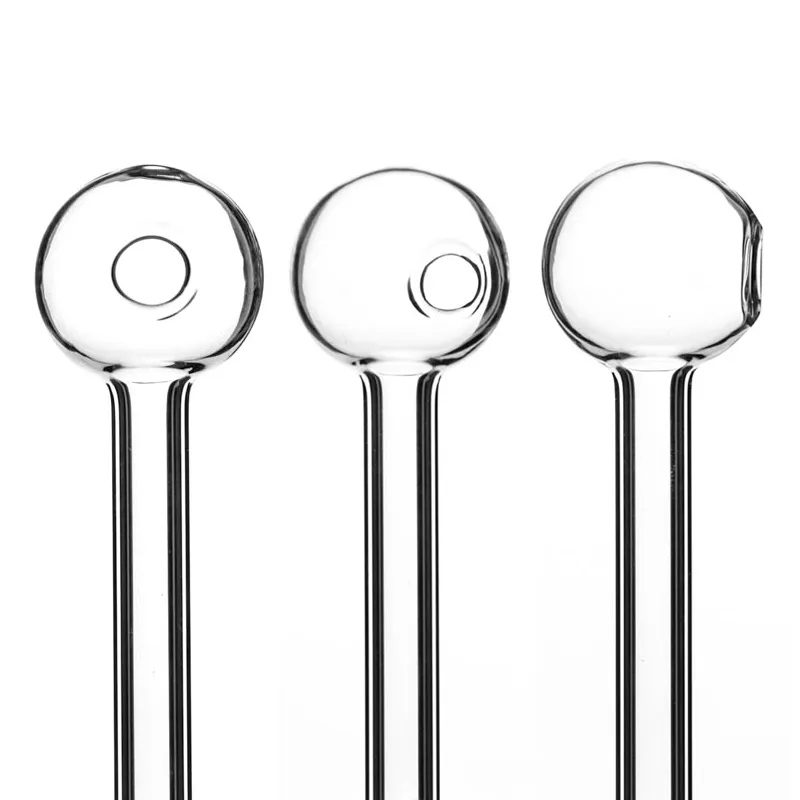
Buy Now
See More: Wholesale Products
FAQ
Q1. What makes locally made glass products sustainable?
Locally made glass products have a lower carbon footprint compared to mass-produced glass products that need to be transported over long distances. This is because the production, packaging, and shipping of glass products require energy and resources, which contribute to greenhouse gas emissions. Additionally, local glass artists and manufacturers often use recycled materials and environmentally friendly practices, reducing waste and promoting sustainability.
Q2. How can I support sustainable living with locally made glass products?
Supporting sustainable living with locally made glass products can involve several actions. Firstly, you can choose to purchase glass products from local artisans and manufacturers instead of buying mass-produced items. Secondly, you can encourage others to buy locally produced glass products. Lastly, you can educate yourself on the environmental impact of different products and make informed choices that prioritize sustainability.
Q3. Are locally made glass products more expensive than mass-produced alternatives?
The cost of locally made glass products varies depending on the artist or manufacturer, the design complexity, and the materials used. However, while some locally made glass products may be more expensive than mass-produced alternatives, they often offer unique designs and quality craftsmanship that are worth the investment. Moreover, supporting local businesses and artisans also contributes to the local economy, creating jobs and promoting community development.
Q4. How can I care for my locally made glass products to ensure their longevity?
To ensure the longevity of your locally made glass products, it's essential to handle them with care. Avoid exposing them to extreme temperatures and sudden changes in temperature, as this can cause cracking or breakage. Clean them regularly with a soft cloth and mild soap, avoiding abrasive cleaners that can scratch the surface. Lastly, store them in a safe place away from potential hazards such as pets or children. By following these tips, you can enjoy your locally made glass products for years to come.
Recommended related content
Sustainable and Ethical Women's Jewelry Brands You Should Know About
Sustainable and ethical brands for causal dresses
Sustainable and Ethical Gold Frame Glasses: Where to Find Them and Why They Matter"
The Sustainable Benefits of Choosing Wax Canvas Products
Sustainable and Ethical Sun Dress Brands to Add to Your Closet
