
How to Shop for Earthquake Proof House Essentials A Complete Guide
Upload time :September 8, 2023
Shares
Reads
Earthquakes can strike at any time and wreak havoc on our homes. To ensure the safety of our loved ones, it is important to invest in earthquake-proof house essentials. But, what are these essential items? Where can we find them? And how do we know they are reliable? These are the questions that this blog aims to answer. As a shopping expert, I have researched the market and gathered all the information you need to shop for earthquake-proof house essentials with confidence.
Types of earthquake proof house Essentials
Here are some essential elements to consider when building an earthquake-proof house:
Foundation: Reinforced perimeter and interior footings, continuously poured stem walls, and slab-on-grade foundations help distribute earthquake stresses.
Framing: Light-gauge steel stud framing, structural wooden framing using earthquake straps and hold-downs, or reinforced masonry block construction provide structural rigidity.
Roof: Engineered roof trusses and hurricanes ties secure the roof to walls. Hips and gables distribute stresses better than gambrel or shed roofs.
Wall bracing: Shearwalls, diagonal bracing or tie beams in exterior and interior walls resist lateral forces and prevent structural damage.
Secure additions, decks, roofs: Integrate additions securely to the main structure and anchor roofs, decks and porches to walls.
Ductwork and plumbing: Flexible joints and connectors prevent breakage of gas and water lines. Sewer drains use traps to prevent backflow.
Windows and doors: Glazing, frames and openings able to withstand forces and prevent entry of debris.
Appliance anchoring: Strap down water heaters, furniture, TVs and devices that could cause injury or block exits.
Maintenance and inspections: Periodic evaluation for damage, corrosion or code compliance keeps the home fortified.
Foundation walls: Reinforced concrete walls provide rigidity for basement/crawl space foundations.
Cripple walls: Short wood-framed walls between foundation and sill plate are braced.
Shearwalls: Plywood/OSB shear panels nailed to studs act as structural braces for lateral strength.
Load paths: Seamless transfer of quake loads between all elements - foundation, walls, roof, etc.
Chimneys: Braced flues or flexible chimney connections prevent collapse onto homes.
Utilities: Vaults house gas, water meters. Lifelines utilize flexible pipes, quick-shutoff valves.
Garage doors: Heavy doors able to withstand lateral/uplift pressure without detaching.
Gas shut-off: Automatic seismic gas shut-off valves activated by vibrations mitigate fires.
Electronics: Equipment like hot water heaters strapped securely; breakers able to handle surges.
Retrofitting: Seismic upgrades like foundation bolting, cripple wall bracing improve existing homes.
Using high-quality, quake-rated materials is key for seismic resistance. Anchorage and integration is also important.

How to Ensure the Reliability of Earthquake Proof House Essentials
Here are some tips to ensure the reliability of earthquake proofing essentials:
Check for seismic safety certifications from regulatory bodies like ICC Evaluation Service.
Look for compliance with standards from ICC International Code Council, ASCE American Society of Civil Engineers.
Confirm all connectors, fasteners and straps approved for intended material usage such as wood or masonry.
Read install instructions carefully and follow manufacturer recommendations. Improper use compromises effectiveness.
Use corrosion-resistant hardware made from stainless steel, not regular steel that can deteriorate over time.
Store spare parts like straps, bolts indoors away from elements to maintain integrity.
Inspect equipment annually for signs of wear, cracks or loose connections and tighten/reinforce as needed.
Consider professional engineered connections for structural elements like foundations, walls, beams and columns.
Verify contractors certify install of load-path equipment like shear walls panel nailing according to code.
Have retrofit seismic work inspected by a licensed professional for compliance before closing walls.
Taking these steps ensures supplies rated to protect homes and lives hold up when shaking occurs.
Verify products are rated for the expected seismic conditions in your area. Rating varies by location.
Check expiration dates, especially on supplies like gas shut-off valves that have electrical components.
Follow proper safety precautions when installing or reinforcing structural elements yourself. Leave complex work to professionals.
Use fasteners and strapping specifically rated for the materials they will attach - wood, masonry, steel, etc.
Keep handy any manuals, warranties or installation guides for future reference. This helps maintain systems properly over time.
Consider earthquake insurance to fund repairs from damage adequately in a major seismic event.
Educate all household members on shut-off points and safety procedures for utilities in case of an earthquake.
Include essential supplies like goggles, water, first aid in your earthquake preparedness kit along with safety gear.

Where to Shop for Earthquake Proof House Essentials
Hardware stores
Places like Home Depot, Lowe's carry bolts, fasteners, connectors rated for seismic activity. They also offer items like flexible gas connectors, fire extinguishers, etc.
Home improvement stores
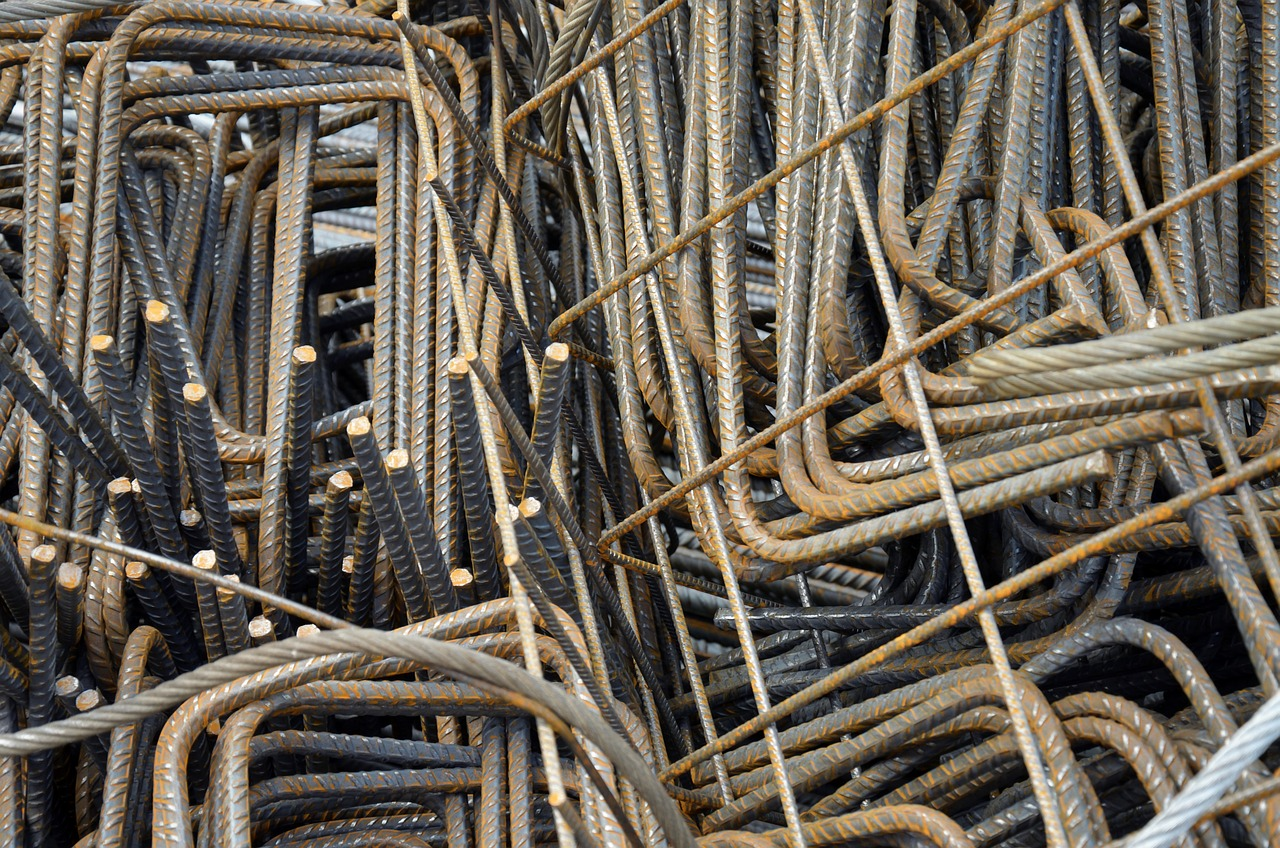
In addition to hardware, big box stores have building materials like foundation rebar, plywood, roof straps, shear panels for earthquake retrofits.
Building supply stores
Stores like BMC and Stock include commercial grade seismic options like steel beams, concrete admixtures.
earthQuakeProtection.com
A site dedicated solely to seismic safety equipment - offers earthquake putty, gas shut-off wrenches, straps for furniture, cabinets.
Lumber yards
Sources for structural lumber, plywood sheathing, paneling, hardware like hurricane ties. Look for earthquake rated grades.
Plumbing supply stores
Flexible gas lines and fittings, quick shut-off valves, drain trap primers.
Architectural/construction supply
Higher end stores provide engineered products like rod systems, grade beams, seismic wood connectors.
Online retailers
Convenient for bulk orders of strap ties, brackets, supplies. Filter search for seismic/ICC certified options.
Engineering/seismic design firms
Consult with professionals for custom engineered connections for critical structural systems.
Industrial supply stores
Source overhead equipment bracing, strong shear panels, shelves, storage bracing.
Cabinetry shops
Buy door catches, positive latches to secure cabinets and furniture from shaking.
Auto parts stores
Consider using equipment like engine hoist straps, jack stands for large appliance anchoring.
Marine supply retailers
Boating stores have durable strapping, tie-downs suitable for securing water heaters, batteries.
Safety equipment retailers
Look for rated helmets, gloves for hazard mitigation during post-quake debris clearing.
Local building code offices
Consult reference materials, checklists detailing regional code seismic requirements.
Home shows/expos
Meet earthquake engineering specialists; compare products from multiple qualified brands.
Retrofit contractors
Suppliers for sheathing installation, foundation bolting, load transfer enhancements by pros.
Comparing in store, online lets you find reputable sellers with verified, rated solutions for earthquake proofing needs.
QA:
1. Can non-structural reinforcements alone make a house earthquake-proof?
A: No, while non-structural reinforcements such as furniture straps and wall anchors can help prevent damage and injuries, they cannot make a house completely earthquake-proof. Structural reinforcements such as seismic retrofitting and foundation bolting are also necessary.
2. What are some earthquake emergency supplies that homeowners should have on hand?
A: Homeowners should have a first aid kit, flashlights, emergency water supplies, and non-perishable food items on hand in case of an earthquake. It is also recommended to have a battery-powered or hand-cranked radio to stay informed about news and updates.
3. Do all states in the US require earthquake-resistant construction?
A: No, not all states require earthquake-resistant construction. However, some states such as California and Washington have stricter building codes and requirements due to their higher earthquake risk. It is important for homeowners to research their state's specific requirements and recommendations.
 Buy NowSee More: Wholesale Products
