
How to Choose the Best DC Cable for Your Devices
Upload time :December 1, 2023
Shares
Reads
As a consumer of DC cables, it's important to know the basics of what makes a good cable. First, determine the required length of the cable, but avoid excessively long or short ones. Then, understand the different types of connectors available and choose the one that is compatible with your device. Quality and durability are also important factors to consider when purchasing a cable. Look for high-quality materials and durable cables that can withstand regular use. By keeping these factors in mind, you can ensure that you're getting a cable that will last and perform well.
Cable Length
Firstly, it is important to consider the distance between the power source and the device being powered. This will give you a basic idea of how long the cable needs to be. However, it is important to also take into account any obstacles or potential hazards that may require additional length for safety reasons. For example, if the device is located near a doorway or high-traffic area, it may be necessary to add extra length to the cable in order to avoid tripping hazards.
Additionally, it is important to consider any potential voltage drop that may occur with a longer cable. Voltage drop happens when the electrical current traveling through the cable encounters resistance, resulting in a decrease in voltage. This can cause devices to malfunction or become damaged, so it is important to ensure that the cable is not excessively long. Most manufacturers will provide information on the maximum length of cable that can safely be used with their devices, so it is important to check these guidelines before making a purchase.
On the other hand, using cables that are too short can also be problematic. Short cables can limit flexibility and mobility, making it difficult to move devices around or adjust their position as needed. Additionally, they may not reach the power source, requiring the use of extension cords or other solutions that can be inconvenient or unsightly.
Connector Types
There are several types of connectors available in the market, each designed for a specific purpose. Some of the common connector types include barrel connectors, USB Type-A, USB Type-B, Micro-USB, Mini-USB, HDMI, DisplayPort, and Thunderbolt.
Barrel connectors are cylindrical in shape and commonly used in power adapters for laptops, routers, and switches. They come in different sizes, such as 2.1mm, 2.5mm, and 5.5mm, and have different polarity types.
USB Type-A connectors, also known as Standard-A connectors, are rectangular in shape and are the most common type of USB connector. They are usually found on the host side of the connection and are used for connecting devices like printers, scanners, and external hard drives.
USB Type-B connectors are square-shaped and are often found on peripheral devices such as printers, scanners, and fax machines. They are used to connect these devices to the host computer.
Micro-USB connectors are smaller than USB Type-A and Type-B connectors and are commonly found on mobile phones, tablets, and digital cameras. They are designed for charging and data transfer and have become the standard for most Android devices.
Mini-USB connectors are similar to Micro-USB connectors but slightly bigger in size. They were commonly used before the introduction of Micro-USB and are still used in some older devices.
HDMI connectors are used for transmitting high-definition audio and video signals between devices. They are commonly found on TVs, monitors, projectors, and gaming consoles.
DisplayPort connectors are similar to HDMI connectors and are used for transmitting high-quality audio and video signals. They are mostly used in computers and laptops.
Thunderbolt connectors are used primarily for data transfer and are commonly found on Apple devices. They support high-speed data transfer, video output, and charging.
Choosing the right type of connector is crucial to ensure the proper functioning of your device. It is recommended that you refer to the user manual or contact the manufacturer to determine the type of connector required for your device. You should also consider the length and quality of the cable when making your choice. Poor quality cables can cause data loss, slow charging, and even damage to your device.
Quality and Durability
When it comes to selecting the right DC cable, one must look for cables that are made with high-quality materials such as copper or aluminum conductors. Copper is a great conductor of electricity and is often used in cables due to its superior conductivity. Aluminum conductors are also an option and are preferred in certain applications due to their lightweight nature.
Another aspect to consider when evaluating the quality of a DC cable is the insulation. High-quality cables typically use materials like polyurethane, silicone, or cross-linked polyethylene, which provide excellent insulation properties and protect the cable from outside elements that may cause damage or interference.
Durability is equally important when it comes to choosing a DC cable. A durable cable can withstand regular use and exposure to different environments without breaking down or losing efficiency. Cables made from high-quality materials are more likely to be durable, but there are other factors to consider as well.
One consideration is the cable’s jacket. Jackets made from materials like PVC or rubber provide excellent protection against abrasions, cuts, and other physical harm that could potentially damage the cable. Additionally, the jacket should be flexible enough to allow for easy installation and movement without causing damage to the cable.
Another factor to consider when evaluating a cable’s durability is its resistance to external factors. Cables that are exposed to harsh environments with extreme temperatures or chemicals may require additional protection or specialized materials to maintain their integrity over time.
In conclusion, selecting a high-quality and durable DC cable is crucial to ensure the proper functioning of your electronic devices. When looking for quality materials, prioritize copper or aluminum conductors and insulating materials like polyurethane, silicone, or cross-linked polyethylene. Durable cables feature jackets made from PVC or rubber that protect them against physical harm while remaining flexible during routine use. Finally, examine the cable’s ability to resist external forces like temperature variations or chemicals to ensure long-term reliability. By selecting and investing in a high-quality and durable cable, consumers can rest assured that their electronic devices will perform optimally over time.
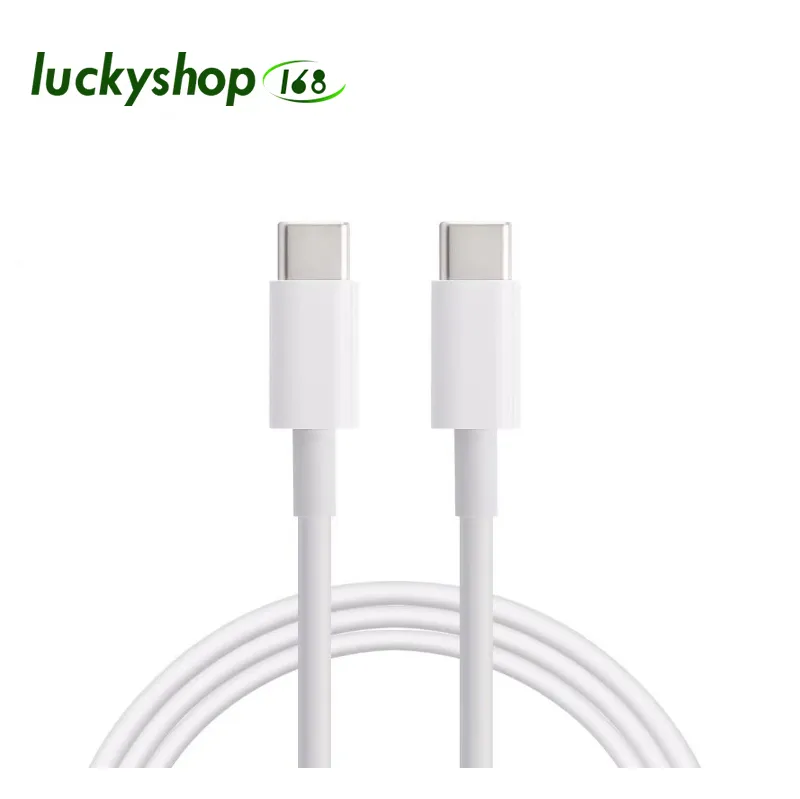
Buy Now
See More: Wholesale Products
FAQ
Q1. What should I consider when choosing a DC cable for my device?
When choosing a DC cable for your device, you should consider the voltage and amperage requirements of your device, the length of the cable, and the type of connector needed to fit your device. It is important to choose a cable that can handle the amount of power required by your device to prevent damage or malfunction.
Q2. Can I use any DC cable for my device or do I need a specific one?
It is important to use a DC cable that is specifically designed for your device to ensure compatibility and prevent damage. Using a cable that does not meet the voltage and amperage requirements of your device can cause it to malfunction or even be permanently damaged.
Q3. What are the different types of DC connectors and how do I know which one to choose?
There are many different types of DC connectors available, including barrel, coaxial, and USB. The best way to determine which one to choose is to check the manufacturer's specifications for your device to see which type of connector is required. If you are unsure, consult with a professional or contact the manufacturer for guidance.
Q4. How does the length of the DC cable affect its performance?
The length of the DC cable can affect its performance as longer cables can result in a loss of power and slower charging times. It is important to choose a cable that is the appropriate length for your needs to ensure optimal performance. If you require a longer cable, consider choosing one with a thicker gauge to help mitigate any potential power loss.
Recommended related content
How to Choose the Best Type C Cable for Your Device?
How to Choose the Best USB C Hub for Your Devices
How to Choose the Best Tablet PC for Your Needs
