
Mastering Clipper Blades: A Comprehensive Blade Usage Guide for Pet Groomers
Upload time :January 15, 2025
Shares
Reads
- Comb (Bottom Blade): The larger bottom blade that feeds the hair into the cutting blade.
- Cutting Blade (Top Blade): The blade that moves rapidly back and forth to cut the hair.
- Coat Type: Different breeds have different coat types, which may require specific blades.
- Desired Length: Determine the length of hair you want to leave behind.
- Dog Behavior: Some dogs may not tolerate certain blades, influencing your choice.
- Remove Hair and Debris:
- After each grooming session, use a brush to remove hair and debris from the blades. This prevents buildup that can hinder performance.
- For thorough cleaning, detach the blades from the clipper and use a soft brush or a blade cleaning solution to remove any residual hair and dirt.
- Disinfecting:
- Use a blade disinfectant spray to kill bacteria and prevent the spread of infections. Spray the disinfectant on the blades and let them air dry.
- Ensure the disinfectant is safe for use on clipper blades and follow the manufacturer’s instructions for best results.
- Apply Clipper Oil:
- Lubrication is essential to reduce friction and prevent overheating. After cleaning, apply a few drops of clipper oil to the moving parts of the blade.
- Turn on the clipper for a few seconds to evenly distribute the oil across the blades. Wipe off any excess oil with a clean cloth to avoid attracting dirt.
- Frequency:
- Oil your blades before and after each use to ensure smooth operation and to extend the life of the blades.
- When to Sharpen:
- Blades should be sharpened when they start pulling on the hair or cutting unevenly. Regular sharpening maintains the cutting efficiency and prevents discomfort to pets.
- It’s advisable to have your blades professionally sharpened to maintain their precision and sharpness.
- When to Replace:
- Over time, blades may wear out beyond repair. If sharpening doesn’t restore their performance, it’s time to replace them.
- Keep a set of spare blades handy to avoid interruptions during grooming sessions.
- Store Properly:
- Store blades in a dry, cool place to prevent rust and corrosion. Use blade guards or cases to protect them from damage when not in use.
- Avoid storing blades with moisture or in humid environments, as this can lead to rusting.
- Regular Inspection:
- Regularly inspect your blades for signs of wear, such as nicks or rust. Address any issues immediately to prevent further damage.
- Test on a Small Area: Before using a blade on the entire pet, test it on a small area to ensure it's suitable.
- Keep Blades Cool: Overheating can damage blades and cause discomfort to pets. Use cooling sprays or take breaks to prevent overheating.
- Ignoring Blade Maintenance: Neglecting maintenance can lead to poor performance and potential injury to pets.
- Choosing the Wrong Blade: Using an inappropriate blade for a specific breed or coat type can result in uneven cuts.
- What's your favorite blades brand
- ANDIS
- WAHL
- JOYZZE
- Oster
- KENCHII
- ARTERO
- Other (please specify)
- What's your go-to clipper blade for grooming?
- Standard Blades
- Skip Tooth Blades
- Finishing Blades
- Wide Blades
- Surgical Blades
Introduction
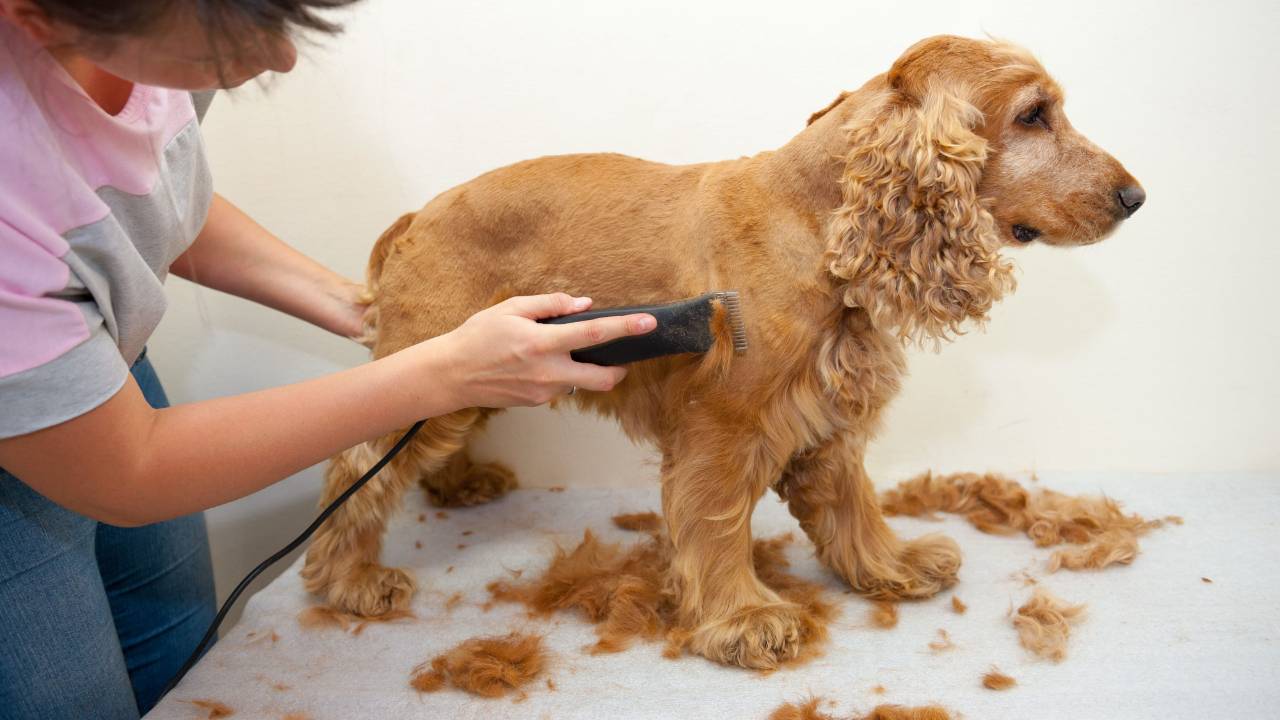
In the world of pet grooming, clippers are an indispensable tool. Understanding the capabilities of different types of clipper blades can transform you from a novice into an efficient, skilled groomer. This comprehensive guide aims to provide pet groomers with well-researched, accurate, and up-to-date information about clipper blades. By sharing insights from grooming experts and my own experiences, this blog will build your credibility and enhance your grooming skills.
Anatomy of Clipper Blades
Parts of a Clipper Blade
All clipper blades consist of two main parts:
Understanding these components is crucial for effective grooming, as each plays a specific role in the cutting process.
How Clipper Blades Work
The clipper motor drives the cutting blade back and forth against the comb. This rapid movement allows the blades to efficiently cut through hair, whether it's for a simple trim or a full shave. The precision of this mechanism is why it's important to choose the right blade for your grooming needs.
Types of Clipper Blades
Standard Clipper Blades
Standard blades are versatile and used for general grooming tasks. They are suitable for most breeds and coat types, providing a clean and even cut.
Skip Tooth Clipper Blades
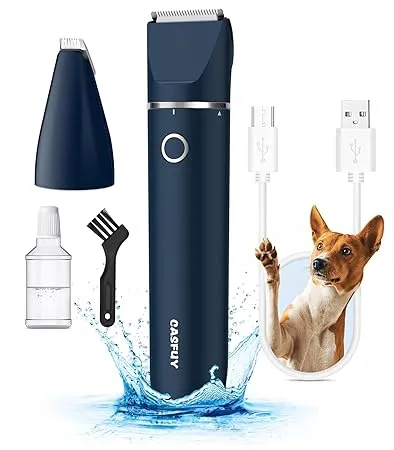
Skip tooth blades are perfect for blending short areas with longer lengths. They are ideal for coarse-coated breeds such as Terriers. These blades have uneven teeth that effectively feed hair into the cutting blade, making them excellent for clipping under mats. They are often used before baths for rough-cuts and on dogs that require a complete shave.
Finishing/Full Cut Blades
Finishing blades, with their even teeth, create a smoother finish. They can be used both before and after baths and are ideal for achieving a polished look or for full shavedowns.
Wide/T-Blades
Wide or T-blades have a broader cutting surface, making them suitable for larger breeds or when a faster stripdown is needed. Their increased width allows for quicker grooming sessions without sacrificing quality.
Surgical Blades
Surgical blades are used by veterinarians to prep areas for surgery by removing hair down to the skin. They are also popular for show cuts on Poodles. These blades are the best choice for use with snap-on combs.
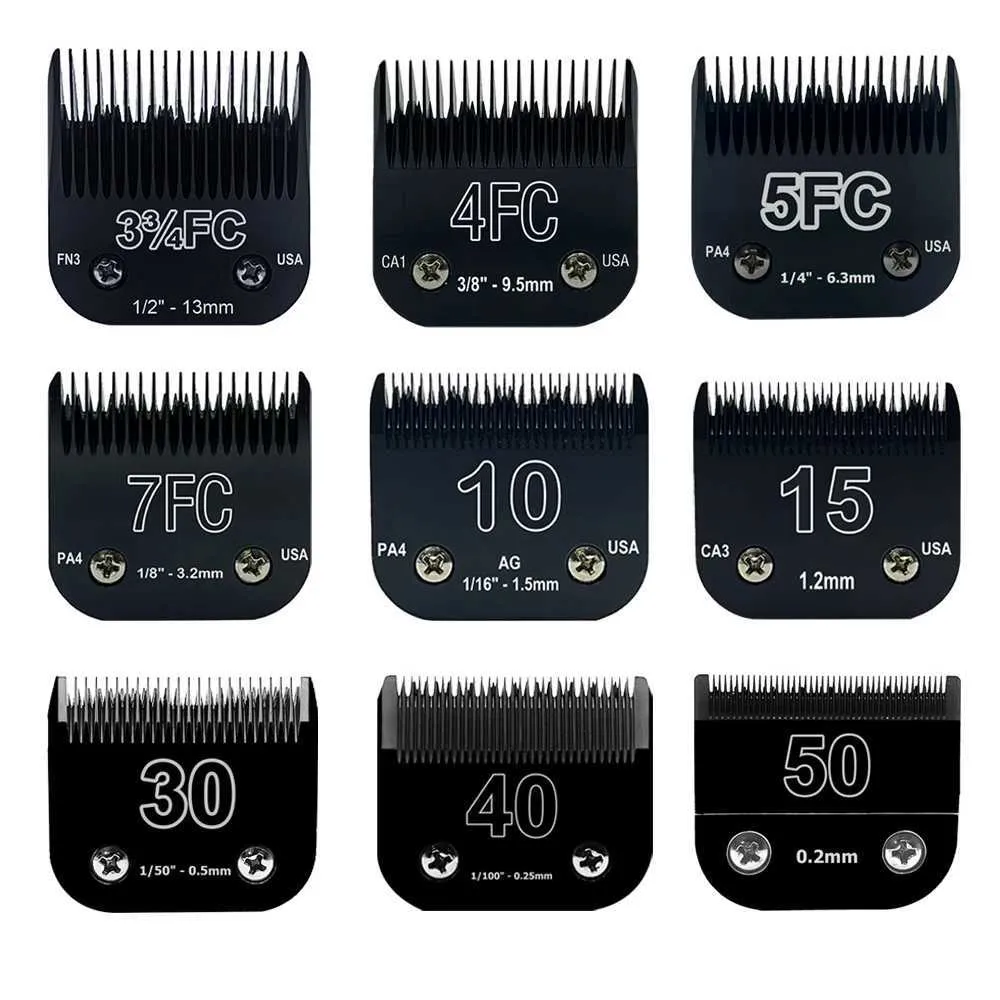
| Blade Size | Cut | Usage |
| 50 | 1/125" | Surgical prep, Show Poodle’s feet, face and sometimes used to create patterns. |
| 50SS | 1/125" | Stainless steel — harder, holds edge longer, rust-resistant. |
| 40 | 1/100" | Surgical prep, Show Poodle’s feet, face and pattern, Pet Poodle feet. Excellent for with Snap-on combs. |
| 30 | 1/50" | Pet Poodle feet and between pads of some dogs. Good for using with Snap-on combs. |
| 15 | 3/64" | Sensitive Poodle feet, pads, face on Poodles, Cockers and Terriers. |
| 10 | 1/16" | Sanitary trim (tummy & genital area), face on Poodles, Cockers and Terriers, or grooming most cats. A very short, but safe blade. |
| Wide 10 | 3/32" | Similar to the size 10 blade, but with a wider blade sweep. Good for full-body shavedowns and large breeds. |
| T-84 | 3/16" | Stripping heavy coats, medium length, wider cutting surface than standard clipper blades. |
| 9 | 5/64" | Sporting Breed’s necks and sometimes bodies, very smooth finish. Popular on Cockers, Springers and Schnauzer bodies. |
| 8 1/2 | 7/64" | Head, face, neck and sometimes body on Sporting Breeds and Terriers. |
| 7 | 1/8" | Skip tooth — body work on Sporting Breeds and Terriers, Pet Poodles, excellent for clipping matted dogs where blending is required. |
| 7F/7FC | 1/8" | Finish clipper blade for 7 Skip Tooth, unmatted coats. |
| 5 | 1/4" | Skip Tooth, body work on Sporting Breeds and Terriers, Pet Poodles, body work on short trims on Lhasa Apsos and Shih-Tzus. |
| 5F/5FC | 1/4" | Finish blade for 5 Skip Tooth. |
| 4 | 3/8" | Body work on the low-slung Terriers (West Highland White, Scottish, Cairn, etc.), Pet Poodles, short trims on Lhasa Apsos and Shih-Tzus. |
| 4F/4FC | 3/8" | Finish blade for 4 Skip Tooth — also used against the lie of the coat of thick-coated Springers or Cockers for a very short but very smooth look. |
| 3 or 3 3/4 | 1/2" | Skip Tooth clipper blade, good for a plush, almost puppy look on Lhasas, Shih-Tzus, Old English Sheep Dogs - anything that you want to give a short, but not shaved look. |
| 3 or 3 3/4FC | 1/2" | Finish Clipper Blade for 3 3/4 Skip Tooth — can also be used against the grain as with the 4F and 4FC. |
| 5/8 HT | 5/8" | Finish Clipper Blade — good for slightly longer puppy cut. |
| 3/4 HT | 3/4" | Finish Clipper Blade — longest blade cut available. |
| 5/8 or 5/8 NC | 1/32" | Cutting surface is 5/8" across. For small areas. Ideal for setting patterns such as the Dutch Clip on Toy Poodles, great for small Poodle feet. |
Choosing the Right Blade for the Job
Factors to Consider
When selecting a blade, consider the following factors:
Matching Blades to Breeds
Different breeds require different grooming techniques. For instance, a #7 blade might be perfect for a Poodle's body but not for a Terrier's face. Understanding breed-specific grooming needs will help you choose the right blade.
Maintaining Your Clipper Blades
Proper maintenance of clipper blades is crucial to ensure their longevity and efficiency. By following a regular maintenance routine, you can prevent dullness, reduce the risk of injury to pets, and maintain high-quality grooming results. Here’s a detailed guide on how to maintain your clipper blades:
Cleaning Your Clipper Blades
Lubrication
Sharpening and Replacement
Storage
By incorporating these maintenance practices into your routine, you can ensure that your clipper blades remain in top condition, providing reliable and efficient grooming results every time. Proper maintenance not only extends the life of your blades but also enhances the overall grooming experience for both you and the pets you care for.
Expert Tips and Insights
Advice from Experienced Groomers
Common Mistakes to Avoid
Interactive Section
FAQs
Q: How often should I clean my clipper blades?A: Clean your blades after each use to maintain their performance and longevity.Q: Can I use the same blade for all breeds?A: While some blades are versatile, it's best to match blades to specific breeds and coat types for optimal results.
Poll: Favorite Clipper Blades
Conclusion
Mastering the use of clipper blades is an essential skill for any pet groomer. By understanding the different types of blades, choosing the right one for the job, and maintaining them properly, you can ensure efficient and effective grooming sessions. Remember to incorporate expert tips and avoid common mistakes to enhance your skills. Keep exploring and learning to stay at the forefront of the grooming industry. Happy grooming!
