
The Ultimate Pet Dryer Guide: A Comprehensive Resource for Groomers and Pet Owners
Upload time :January 15, 2025
Shares
Reads
- Introduction
- The Importance of Choosing the Right Pet Dryer
- Understanding Pet Dryer Specifications
- CFM (Cubic Feet per Minute)
- FPM (Feet per Minute)
- Volts, Amps, and Watts
- Horsepower (HP)
- Heating Elements
- Types of Pet Dryers
- Force Dryers
- Cage Dryers
- Stand Dryers
- Combination Dryers
- Dryer Cages/Box Dryers
- Key Features to Consider When Buying a Pet Dryer
- Expert Insights: Choosing the Best Pet Dryer for Your Needs
- Installation and Maintenance Tips
- Safety Considerations
- Frequently Asked Questions (FAQs)
- Interactive Poll: What Matters Most in a Pet Dryer?
- Conclusion
- Volts: The electrical energy available for the dryer to use. Most pet dryers operate on standard household voltage (110-120V in the US).
- Amps: A measurement of the rate at which electricity flows through the dryer. Higher amperage can indicate a more powerful motor.
- Watts: The amount of energy the dryer uses to perform its function. Higher wattage can translate to more powerful drying performance but may also increase energy consumption.
- Calrod Heating Element: Similar to electric stovetop burners, these elements are durable and provide consistent heat but may be slower to respond to controls.
- Coil or Wire Wound: Commonly found in hand-held dryers, these elements heat up quickly but may degrade faster due to high temperatures.
- Fast drying time.
- Effective for removing loose hair and undercoat.
- Suitable for all coat types.
- Can be noisy, which may stress some pets.
- Requires careful handling to avoid tangling long hair.
- Ideal for drying multiple pets at once.
- Low noise levels compared to force dryers.
- Can be used without direct supervision.
- Slower drying time compared to force dryers.
- Requires monitoring to prevent overheating.
- Hands-free operation.
- Adjustable height and angle for convenience.
- Suitable for styling and finishing.
- May not be suitable for initial drying of very wet coats.
- Requires space for setup and operation.
- Versatile and adaptable for various grooming needs.
- Cost-effective for groomers with limited space or budget.
- Suitable for both professional and home use.
- May not perform as well as specialized dryers in specific tasks.
- Requires understanding of different settings and functions.
- Safe and controlled drying environment.
- Suitable for anxious or sensitive pets.
- Effective for grooming salons with high pet turnover.
- Requires monitoring to ensure pet safety.
- May not be suitable for all coat types or sizes.
- Noise Level: Choose a dryer with a noise level that is comfortable for both pets and groomers. Some dryers offer noise-reduction features to minimize stress for pets.
- Variable Speed and Heat Settings: Adjustable settings allow you to tailor the drying process to different coat types and pet sensitivities.
- Portability: If you need a dryer for mobile grooming, consider a lightweight and portable option.
- Durability: Look for a dryer made from high-quality materials that can withstand frequent use.
- Safety Features: Ensure the dryer has safety features such as automatic shut-off to prevent overheating.
- Emily, Certified Pet Groomer: "Investing in a high-quality force dryer was a game-changer for my salon. It significantly reduced drying times and improved the overall grooming experience for both me and the pets."
- Jake, Mobile Groomer: "For mobile grooming, a lightweight and portable dryer is essential. I recommend a combination dryer for its versatility and ease of use."
- Grooming Volume: Consider the number of pets you groom daily and choose a dryer that can handle the workload.
- Coat Types: Different coat types require different drying methods. Ensure your dryer is suitable for the breeds you groom.
- Budget: Balance your budget with the need for quality and durability. Investing in a reliable dryer can save money in the long run.
- Installation: Follow the manufacturer's instructions for setup and ensure the dryer is placed in a safe and stable location. If necessary, consult a professional for electrical connections.
- Regular Cleaning: Clean the dryer's filters and vents regularly to prevent clogs and maintain airflow.
- Routine Inspections: Check for signs of wear, such as frayed cords or loose connections, and address them promptly.
- Monitor Pets: Always supervise pets during the drying process to prevent overheating or stress.
- Avoid Overheating: Use lower heat settings for sensitive pets and avoid concentrating airflow on one area for too long.
- Secure Cords: Ensure cords are safely secured to prevent tripping hazards.
- Noise Level
- Drying Speed
- Portability
- Durability
- Safety Features
Table of Contents
Introduction
For professional pet groomers and pet owners alike, a reliable pet dryer is an essential tool. It plays a crucial role in ensuring pets are dried efficiently and comfortably after a bath. With a wide range of pet dryers available on the market, selecting the right one can be challenging. This comprehensive guide will help you navigate the different types of pet dryers, understand their specifications, and make an informed decision that suits your grooming needs.
The Importance of Choosing the Right Pet Dryer
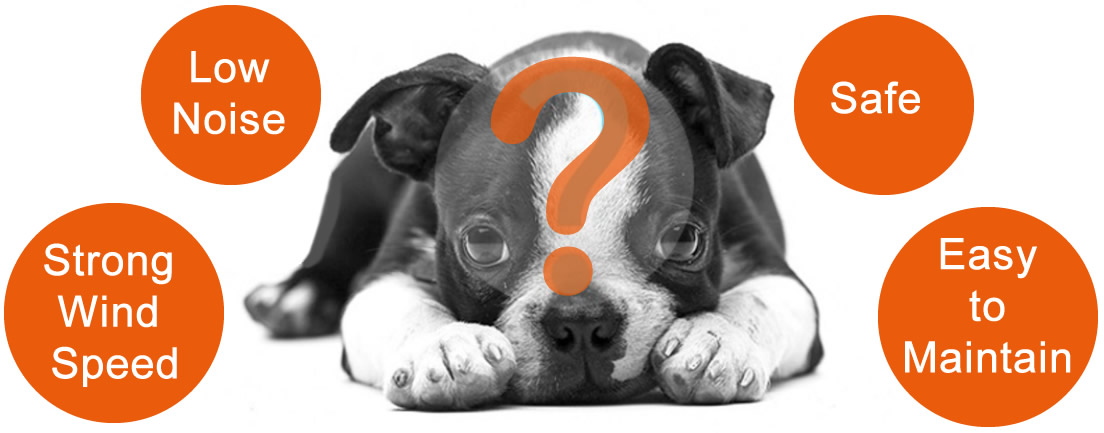
Choosing the right pet dryer is vital for several reasons. Firstly, it ensures that the drying process is efficient, saving time and energy for both groomers and pet owners. Secondly, a good dryer can enhance the quality of grooming by ensuring that the pet's coat is thoroughly dried and styled. Lastly, the right dryer can improve safety and comfort for pets, reducing the risk of overheating or stress during the drying process. For grooming businesses, investing in a high-quality dryer is crucial for maintaining professional standards and ensuring customer satisfaction.
Understanding Pet Dryer Specifications
To make an informed decision when purchasing a pet dryer, it's essential to understand the key specifications that differentiate dryers:
CFM (Cubic Feet per Minute)
CFM refers to the volume of air that the dryer produces. A higher CFM indicates that the dryer can move more air, which can result in faster drying times. When choosing a dryer, consider the CFM in relation to the size and coat type of the pets you will be grooming.
FPM (Feet per Minute)
FPM measures the speed of the airflow coming from the dryer. A higher FPM means the air is moving faster, which can be effective for removing water and loose hair from the coat. Understanding the balance between CFM and FPM is crucial for selecting a dryer that meets your specific grooming needs.
Volts, Amps, and Watts
Horsepower (HP)
Horsepower is used to measure the power of the dryer's motor. A higher horsepower can result in more powerful airflow and faster drying times. However, it's important to balance power with noise levels and pet comfort.
Heating Elements
Pet dryers may or may not include heating elements, which can impact the drying process:
Types of Pet Dryers
Understanding the different types of pet dryers can help you choose the best option for your grooming needs:
Force Dryers
Overview: Force dryers emit a high-speed, concentrated stream of air to separate hair down to the skin and push out excess water and dead hair. This method is effective for quick drying and reducing brushing times.
Advantages:
Considerations:
Cage Dryers
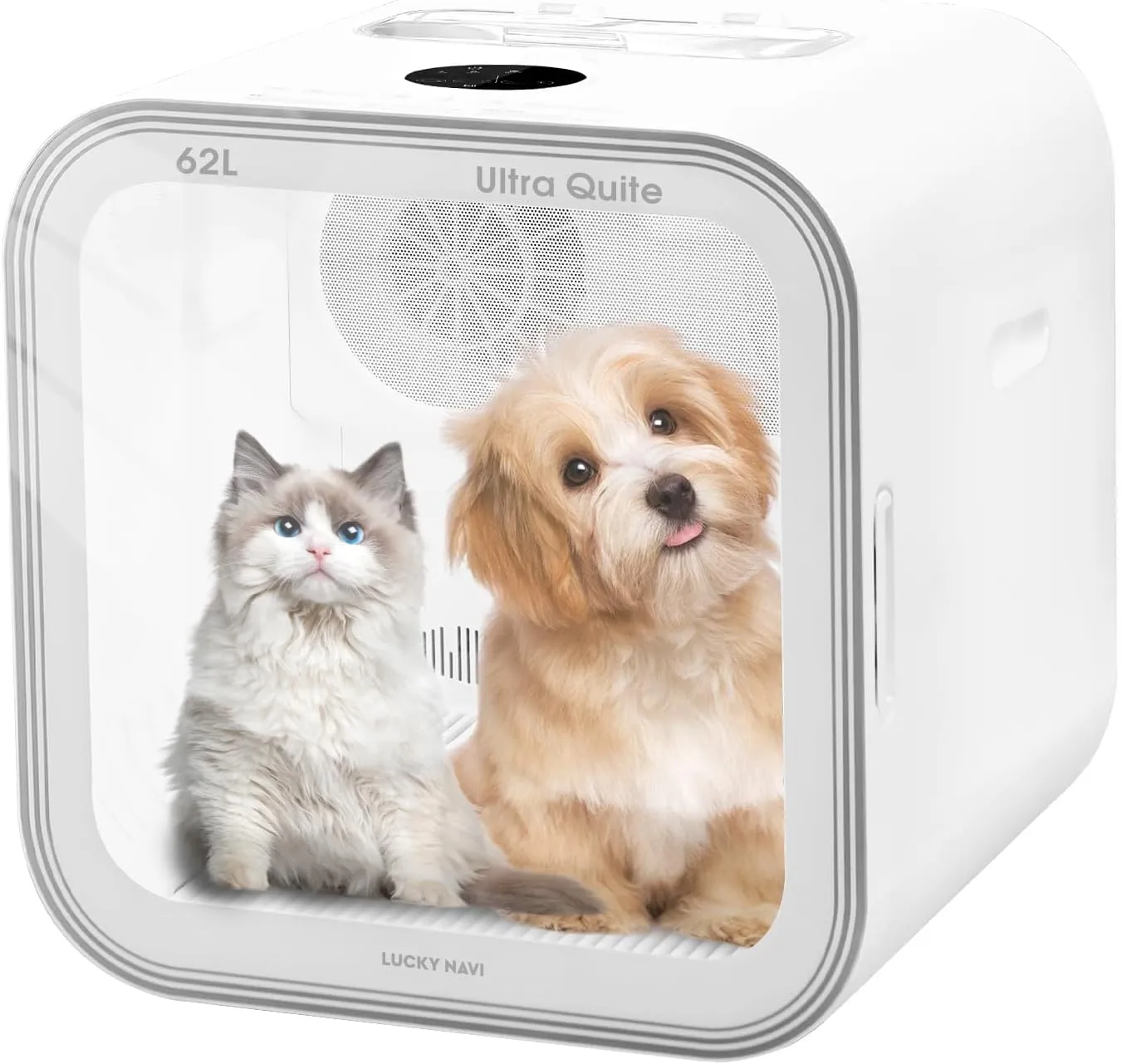
Overview: Cage dryers use a high volume of air to dry multiple pets in cages simultaneously. They may or may not have a heating element.
Advantages:
Considerations:
Stand Dryers
Overview: Also known as fluff or finish dryers, stand dryers are used to complete the drying process and remove all moisture traces from the coat. They often have heating elements to assist with straightening curly coats.

Advantages:
Considerations:
Combination Dryers
Overview: Combination dryers offer versatility by functioning as force dryers, finish dryers, and/or cage dryers. They are a great option for start-up or back-up dryers.
Advantages:
Considerations:
Dryer Cages/Box Dryers
Overview: These dryers combine a kennel with a cage dryer and typically include heating elements. They are effective for controlled drying environments.
Advantages:
Considerations:
Key Features to Consider When Buying a Pet Dryer
When selecting a pet dryer, consider the following key features:
Expert Insights: Choosing the Best Pet Dryer for Your Needs
Insights from Professional Groomers
Key Considerations
Installation and Maintenance Tips
Proper installation and maintenance are crucial for the longevity and performance of your pet dryer:
Safety Considerations
Safety is paramount when using a pet dryer:
Frequently Asked Questions (FAQs)
What is the best type of pet dryer for home use?
For home use, a combination dryer offers versatility and ease of use. It can function as a force dryer, finish dryer, or cage dryer, making it suitable for various drying needs.
How do I maintain my pet dryer?
Regularly clean the filters and vents, inspect for signs of wear, and follow the manufacturer's maintenance instructions. Proper care can extend the lifespan of your dryer.
Can I use a human hair dryer on my pet?
Using a human hair dryer on pets is not recommended. Pet dryers are designed to provide the appropriate airflow and temperature for safe and effective drying.
Interactive Poll: What Matters Most in a Pet Dryer?
Vote in the comments section and let us know what factors are most important to you when choosing a pet dryer!
Conclusion
Choosing the right pet dryer is a crucial decision for both professional groomers and pet owners. By understanding the different types of dryers, their specifications, and key features, you can make an informed choice that meets your needs and enhances your grooming experience. Remember to consider factors such as noise level, drying speed, and safety features when selecting a dryer, and consult with experts to ensure proper installation and maintenance. With the right pet dryer, you'll be well-equipped to provide top-quality care for pets and elevate your grooming business.
