
Expert Tips for Choosing the Right Handlebars for Your MTB Riding Style
Upload time :November 24, 2023
Shares
Reads
As a handlebar MTB consumer, it's essential to understand the importance of handlebars and how they affect control, comfort, and performance on different terrains. This article explains various types of MTB handlebars available in the market, suitable for different riding styles, preferences, and body types. Readers can also learn how to assess their riding style and needs, with suggestions for specific handlebars based on each style. Ergonomics and fit are critical for optimal comfort, power transfer, and injury prevention, and readers can find tips on measuring and adjusting handlebars accordingly. Finally, the article explores advanced features and accessories that can enhance handlebar performance and customization, such as anti-vibration inserts, grip patterns, and bar ends. By understanding and choosing the right handlebars, riders can enjoy a safer, more comfortable, and more enjoyable MTB experience.
Buy Now
See More: Wholesale Products
Understanding the Importance of Handlebars for Mountain Biking
Firstly, handlebars affect a rider's control on the bike. Handlebars with a wider width provide more stability and control on technical terrain. Narrower bars, on the other hand, offer better maneuverability and quicker steering response. It is important for riders to choose the appropriate handlebar width based on their riding style and the type of terrain they will be riding on.
Secondly, handlebars also impact a rider's comfort on the bike. Different handlebar shapes and materials can affect how much shock is absorbed by the rider's arms and upper body. A more upright handlebar position can alleviate strain on the wrists and shoulders, making it easier for the rider to stay comfortable on long rides. Moreover, handlebars with ergonomic grips or padding can help reduce fatigue and prevent hand numbness.
Lastly, handlebars are essential for a rider's overall performance on the bike. The right handlebar can help maintain proper posture, steering, and balance. For example, handlebars with a slight rise can encourage a more upright posture, which helps to distribute the rider's weight more evenly across the bike. This can lead to better handling and increased speed on downhill sections.
Handlebars also affect a rider's balance on the bike. Handlebars with a wider sweep angle can provide more leverage for the rider, making it easier to balance during technical maneuvers. Additionally, handlebars with a flatter shape can help to promote a more stable riding position, reducing the risk of crashes and falls.
Identifying Different Types of MTB Handlebars
Firstly, let's discuss the most common shape of handlebars - the flat handlebars. Flat bars are straight and provide a neutral riding position. This makes them ideal for cross-country (XC) riding as they offer maximum control and maneuverability. They also come in narrower widths, making them comfortable for smaller riders or those who prefer a more aerodynamic riding position.
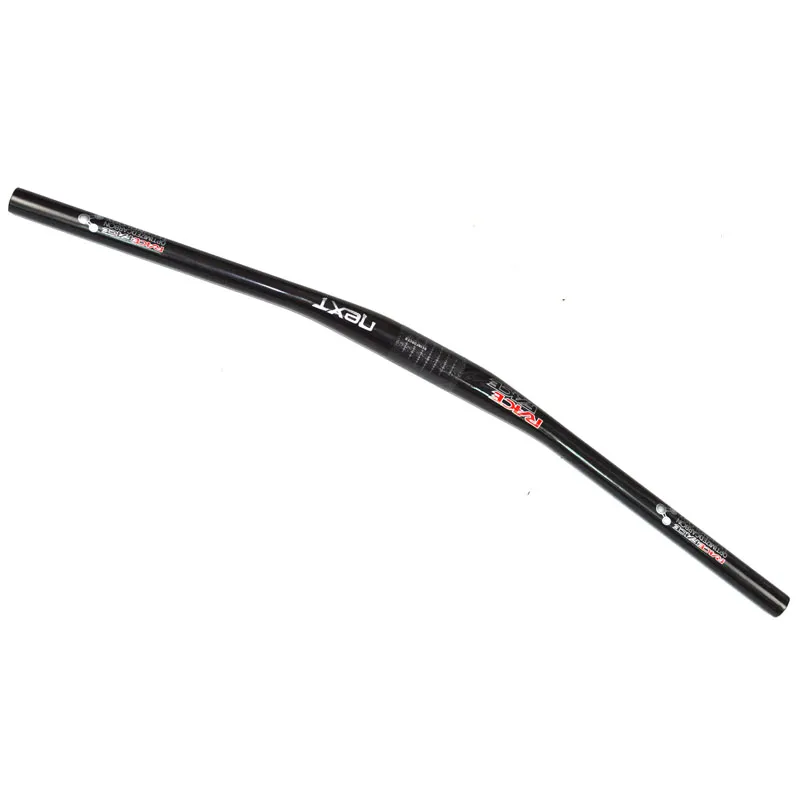
Another popular handlebar shape is the riser bar. As the name suggests, these handlebars rise from the stem towards the rider. The rise on these bars is usually between 10 to 50mm. Riser bars provide a more upright riding position that can be comfortable for longer rides and technical downhill mountain biking (DH) trails.
Sweep refers to the angle at which the handlebar grips bend back towards the rider. Sweep affects the hand's position, wrist angle, and overall control of the bike. A higher sweep angle provides better leverage and more natural hand position, reducing fatigue for longer rides. On the other hand, minimal sweep angles are optimal for quicker handling and more technical riding.
Width is another critical feature to consider when selecting handlebars. Wider handlebars provide more stability and control at high speeds, while narrow handlebars provide better aerodynamics and maneuverability.
Handlebars also come in different materials such as aluminum, carbon fiber, and titanium. Aluminum is the most commonly used material as it provides durability and affordability. However, carbon fiber handlebars are becoming increasingly popular due to their lightweight properties and vibration damping capabilities. Titanium handlebars are the most expensive but provide excellent strength and stiffness.
In summary, choosing the right handlebar depends on your riding style, preference, and body type. For XC riders, flat bars are ideal, whereas riser bars are suitable for DH riders. Your preferred hand position and control requirements will dictate the sweep angle, and wider handlebars provide more stability, while narrower handlebars offer better aerodynamics. Lastly, consider the material of the handlebar - aluminum for affordability and durability, carbon fiber for lightweight and vibration damping, and titanium for strength and stiffness.
Assessing Your Riding Style and Needs
The first step in selecting the right handlebars is to assess your riding style and goals. Here are some questions you can ask yourself to determine your primary riding style and needs:
- What type of terrain do you ride on most frequently?
- How aggressive or technical is your riding style?
- Do you primarily ride for leisure or competition?
- Are you looking for more comfort or more control?
- Do you have any physical limitations or injuries that affect your riding position?
Once you have answered these questions, you can use the following checklist to match your riding style with the right type of handlebars:
1. Cross-country riding: If you primarily ride on smoother trails and prioritize speed and efficiency, flat bars are a good option. Flat bars offer a more aerodynamic riding position and are lighter than other types of handlebars. They also provide greater control and stability when climbing or descending.
2. Trail riding: For more technical and varied terrain, riser bars are a popular choice. Riser bars provide a more upright riding position, which can improve comfort and control on rough terrain. They also offer more leverage for steering and handling obstacles.
3. Downhill riding: If you're looking for maximum control and stability on steep descents, downhill bars are the way to go. Downhill bars are wider and taller than other types of handlebars, which allows for a more aggressive riding position and greater control over the bike. They're also designed to absorb impact and vibration from rough terrain.
4. All-mountain riding: If you ride a mix of cross-country and downhill terrain, a combination of flat and riser bars may be ideal. This will allow you to maintain speed and efficiency on flatter sections while still providing greater control and comfort on more technical terrain.
It's important to note that handlebars come in different widths and heights, so you'll need to find the right size for your body type and riding style. A good rule of thumb is to choose a handlebar width that matches the width of your shoulders. You may also want to consider the rise and sweep of the handlebars, as these factors can affect your hand position and comfort on the bike.
Considering Ergonomics and Fit
One of the key factors to consider when selecting a handlebar is ergonomics. This refers to the science of designing products that fit the human body, taking into account factors such as size, shape, and movement. In the case of handlebars, ergonomics plays a vital role in determining how comfortable and efficient the rider is on the bike.
To achieve optimal ergonomics, it is important to choose handlebars that fit one's hands, arms, shoulders, and back comfortably. A handlebar that is too wide or narrow can cause strain on the upper body, leading to fatigue and pain. On the other hand, a handlebar that is too high or low can affect the rider's posture and balance, making it difficult to maintain control.
Another aspect of ergonomics to consider is power transfer. A handlebar that is too flexible or rigid can affect the amount of force that the rider can exert on the pedals, resulting in reduced speed or efficiency. By choosing a handlebar that is designed to maximize power transfer, riders can improve their performance and achieve their goals on the trails.
In addition to comfort and power transfer, ergonomics also plays a critical role in injury prevention. A poorly fitted handlebar can put excessive stress on certain parts of the body, such as the wrists, elbows, or lower back, leading to pain or even injury over time. By selecting a handlebar that is designed to provide adequate support and minimize stress on the body, riders can reduce their risk of injury and enjoy a longer, healthier cycling experience.
So how can riders measure and adjust their handlebars for optimal fit? One approach is to start with the stem length, which determines the distance between the handlebar and the frame. A stem that is too short or long can affect the rider's reach and balance, so it is important to choose one that matches the rider's height and riding style.
Next, riders should consider the bar height, which determines the vertical position of the handlebar relative to the saddle. Ideally, the handlebar should be at a comfortable height that allows the rider to maintain a natural, relaxed posture while riding.
Finally, riders should pay attention to grip size, which refers to the diameter of the handlebar. Grips that are too thick or thin can cause discomfort and affect the rider's ability to hold onto the handlebar securely. By choosing grips that fit snugly in the rider's hands, they can improve their grip strength and control on the trails.
Exploring Advanced Features and Accessories
One feature that can greatly enhance handlebar performance is tapered ends. These specialized handlebars have a flared shape at the end, providing a wider grip for riders. This wider grip allows for greater control and stability, especially when navigating tight corners or difficult terrain. Additionally, tapered ends can help reduce hand fatigue during long rides, allowing riders to maintain control and comfort for extended periods.
Anti-vibration inserts are another accessory that can greatly benefit handlebar performance. These inserts are typically made from foam or rubber and are placed inside the handlebars to absorb shocks and vibrations. This helps to reduce hand fatigue and numbness, allowing riders to maintain control and comfort throughout their ride. Anti-vibration inserts are particularly useful for riders who frequently encounter rough terrain or bumpy trails.
Grip patterns are also an important consideration when choosing handlebars for a mountain bike. Different grip patterns can provide varying levels of traction and control, depending on the rider's needs. For example, a ribbed grip pattern may be preferred by riders who want more traction and control, while a smoother grip pattern may be better suited for riders who prioritize comfort and ease of use.
Bar ends are yet another accessory that can benefit handlebar performance and customization. These specialized attachments are designed to provide additional leverage and grip, allowing riders to navigate technical descents more easily. Bar ends can also improve hand placement and prevent slippage, making them a valuable addition for riders who frequently encounter challenging terrain.
In conclusion, investing in advanced features and accessories for handlebar MTBs can greatly enhance the overall performance and customization of a mountain bike. Tapered ends, anti-vibration inserts, grip patterns, and bar ends are just a few examples of the many options available to riders looking to improve their handlebar performance. By considering these features and accessories, riders can tailor their handlebars to their specific riding style and conditions, ultimately improving their overall mountain biking experience.
FAQ
Q1. What are the different types of handlebars available for MTB riders?
MTB riders have several options when it comes to handlebars, such as flat bars, riser bars, and drop bars. Flat bars are straight and provide a low profile, ideal for riders who prefer a more aggressive position. Riser bars are slightly higher at the center and provide a more relaxed position with better control and visibility. Drop bars are similar to those found on road bikes and provide multiple hand positions for long rides.
Q2. How do I choose the right width for my MTB handlebars?
The width of your handlebars will depend on your riding style and personal preference. A wider bar provides better leverage, stability and control on technical trails, while a narrower one is more suitable for faster and smoother riding. It’s important to measure your shoulder width and select a bar that is within an inch or two of that measurement.
Q3. What materials are used to make MTB handlebars?
MTB handlebars are typically made from aluminum alloy, carbon fiber or titanium. Aluminum bars are durable, affordable, and widely available. Carbon fiber bars offer a lightweight option with increased vibration dampening, but are generally more expensive. Titanium bars offer a unique blend of stiffness, durability and comfort, but also come with a higher price tag.
Q4. Can I adjust the angle of my MTB handlebars?
Yes, many handlebars allow you to adjust the angle to suit your riding style and preferences. Flat bars are typically not adjustable, but riser bars may have up to a 9-degree sweep, allowing you to adjust the angle to suit your needs. Drop bars have a much larger range of adjustment, allowing for customization based on your body dimensions and preferred hand positions.
Recommended related content
The Benefits of Choosing Energy-Efficient Blinds for Your Living Room
How to Choose the Best Luggage Duffle Bags for Your Next Adventure
Expert Tips for Choosing the Right Pet Gear
Breast Milk vs Formula: Making the Right Choice for You and Your Baby
