
What is the best way to groom a long-haired dog?
Upload time :December 29, 2023
Shares
Reads
If you're the proud owner of a long-haired dog, one of your top priorities is probably keeping that fur beautiful and healthy. But how do you properly groom a pup with lots of hair? First and foremost, regular brushing is essential to prevent matting. You'll also want to make sure you're using appropriate tools and products specifically designed for your dog's coat type. While it may be tempting to shave or cut your dog's hair short during warmer months, experts advise against it as this can damage the fur and leave it vulnerable to sunburn. Instead, opt for professional grooming to achieve intricate styles while maintaining the integrity of your dog's coat. And don't forget about good hygiene practices, such as bathing, ear cleaning, and nail trimming. By following these steps, you can keep your furry friend looking and feeling their best!
1. Regular brushing to prevent matting
1. Regular Brushing to Prevent Matting
The most important thing you can do to keep your long-haired dog well-groomed is to brush them regularly. Depending on the texture of their fur, you may need to brush them daily or every other day to prevent matting.
Start by using a slicker brush to remove tangles and mats. This type of brush has thin, closely spaced wire bristles that can get deep into the fur and remove knots. Brush in the direction of hair growth, starting at the base of the fur and gently working your way up to the tips.
If you encounter mats, use a dematting tool or detangler spray to help loosen them. Be sure to work gently and never pull or tug on the mats, as this can be painful for your pet.
Once you have removed any mats, use a comb to smooth out the fur and check for any remaining tangles. A metal comb with wide teeth is ideal for long-haired breeds. Combing helps to distribute natural oils throughout the fur and keeps it looking shiny and healthy.
2. Bathing to Keep Your Dog Clean
Long-haired dogs require regular bathing to keep them clean and fresh-smelling. However, too much bathing can strip the fur of its natural oils, leaving it dry and brittle. Aim to bathe your dog every four to six weeks, depending on their individual needs.
When bathing your dog, use a mild shampoo designed for dogs. Avoid using human shampoos, as they can be too harsh for canine skin. Wet your dog thoroughly, lather up the shampoo, and massage it into their fur. Rinse thoroughly, making sure to remove all of the soap.
After the bath, towel-dry your dog and use a blow dryer on a low heat setting to finish the job. Keeping your dog's fur free of moisture is essential for preventing matting and keeping them comfortable.See More: How to Use a Professional Blow Dryer for Maximum Results
3. Trimming to Keep the Fur Neat
Long-haired dogs often require trimming to keep their fur looking neat and tidy. You can do this yourself or take your dog to a professional groomer.
Start by trimming around the ears, paws, and tail to give your dog a neat appearance. Use scissors or clippers, depending on your preference and skill level. Be sure to work slowly and carefully, avoiding any sudden movements that could startle your pet.
In addition to trimming, some long-haired breeds require regular haircuts to keep their fur from becoming too long and unmanageable. If you're not sure how to trim your dog's fur, consult a professional groomer for advice.
4. Pay Attention to Your Dog's Ears
Long-haired dogs are prone to ear infections because their furry ears can trap moisture and create a breeding ground for bacteria and yeast. To prevent ear infections, check your dog's ears regularly and keep them clean and dry.
Use a gentle ear cleaner designed for dogs to clean your pet's ears once a week. Squeeze a few drops into each ear and massage the base of the ear to distribute the solution. Then, use a cotton ball to wipe away any excess fluid and debris.
If your dog's ears look red, swollen, or irritated, or if they shake their head frequently, they may have an ear infection. Contact your veterinarian for guidance on how to treat the infection.
Conclusion
2. Use appropriate tools and products
1. Brushing Your Dog's Coat
Brushing your dog's coat is essential for keeping it healthy and shiny. It helps remove tangles, mats, dirt, and loose hair. Long-haired dogs need daily brushing, while short-haired dogs may only need weekly grooming sessions. When brushing your dog's coat, use a slicker brush or a pin brush, depending on your dog's coat thickness and length. Use a comb to remove any remaining tangles or mats. Avoid using metal combs as they can damage the coat.See More: How to Choose the Best Metal Comb for Your Hair Type
2. Use Appropriate Tools and Products
The right tools and products can make grooming your dog easier. Invest in high-quality grooming tools such as slicker brushes, pin brushes, combs, and clippers. Choose a shampoo that is specifically designed for dogs, and avoid using human shampoo as it can irritate your dog's skin. If your dog has sensitive skin, look for hypoallergenic shampoos that are free from fragrances, dyes, and harsh chemicals.See More: What Are the Best Slicker Brushes for Dogs? Top Picks and Reviews
3. Trimming Your Dog's Hair
Long-haired dogs often require regular haircuts to prevent matting and tangling. If you're not comfortable trimming your dog's hair, take them to a professional groomer. However, if you do decide to trim your dog's hair yourself, invest in a good pair of clippers and scissors. Start by trimming around your dog's paws and ears, as these areas tend to collect dirt and debris. Remember to use caution when trimming around your dog's face, as it can be easy to nick their skin.
4. Keep Your Dog's Ears Clean
Long-haired dogs are prone to ear infections due to their floppy ears and excess hair. Regular ear cleaning can help prevent ear infections. Use a cotton ball or a soft cloth soaked in ear cleaner to wipe away any excess wax or debris from your dog's ears. Be gentle and avoid inserting anything into your dog's ear canal. If your dog's ears appear red, swollen, or have a foul odor, consult your veterinarian.
5. Nail Care
Long-haired dogs often have long nails that can scratch floors and furniture. Regular nail trimming can prevent these issues and keep your dog's nails healthy. Use a guillotine-style nail clipper and only trim the tip of the nail. Avoid cutting too close to the quick, which is the pinkish part of the nail that contains blood vessels. If you're unsure about how to trim your dog's nails safely, ask your veterinarian or a professional groomer for assistance.
3. Avoid shaving or cutting hair too short
1. Brush your dog regularly
The most important thing you can do to keep your long-haired dog looking neat and tidy is to brush them regularly. Ideally, you should brush your dog every day to prevent mats from forming. Use a slicker brush or metal comb to work through the tangles in your dog's coat. Be gentle when brushing, especially around sensitive areas like the ears and tail. If you encounter a particularly stubborn mat, try using a dematting tool to gently work it out. Don't cut the mat out with scissors, as this can be painful for your dog and could result in an uneven coat.
2. Bathe your dog as needed
Long-haired dogs don't necessarily need to be bathed more often than short-haired dogs, but they can take longer to dry due to their dense coats. When bathing your long-haired dog, use a mild shampoo that won't strip their coat of natural oils. Rinse thoroughly to avoid leaving any soap residue behind. After bathing, towel-dry your dog as much as possible, then use a blow dryer on a low setting to finish the job. Be patient – it can take a while to dry a long-haired dog completely!
3. Avoid shaving or cutting hair too short
Contrary to popular belief, shaving a long-haired dog isn't always the best solution. It can actually cause more harm than good. Dogs' coats serve several important functions, including insulation and protection from the sun. Shaving a long-haired dog can make them more susceptible to sunburn and skin irritation. It can also cause their coat to grow back unevenly or not at all. Instead of shaving your long-haired dog, opt for regular brushing and trimming to keep their coat looking neat and healthy.
4. Trim your dog's hair regularly
Even if you don't want to shave your long-haired dog, you should still trim their hair regularly to keep it manageable. This can be done with scissors or clippers, but it's important to be careful not to cut too much. Trimming your dog's hair can help prevent mats and tangles, and can also make it easier to bathe and brush them. If you're not comfortable trimming your dog's hair yourself, consider taking them to a professional groomer.
5. Pay attention to your dog's ears
Long-haired dogs are more prone to ear infections than short-haired dogs, so it's important to pay close attention to their ears. Check them regularly for signs of redness, swelling, or discharge. If you notice any of these symptoms, take your dog to the vet right away. To prevent ear infections, clean your dog's ears regularly with a solution recommended by your vet. Be sure to dry their ears thoroughly after cleaning to prevent moisture from building up.
4. Professional grooming for intricate styles
1. Brushing and Detangling:
The first step in grooming your long-haired dog is brushing and detangling their coat. This is a critical process that must be done correctly to avoid matting and tangling. It's best to use a slicker brush for this process as it can easily penetrate through the fur without scratching or harming your dog's skin.
Start by brushing the neck area and work your way down towards the tail. Use gentle strokes and make sure to get all the tangles out as you go along. If you encounter a particularly challenging knot, do not pull on it as it will only cause more damage. Instead, try using your fingers to gently separate the hair and loosen the knot.
2. Bathing:
Bathing your long-haired dog is an essential part of grooming. However, it's important to note that you should not bathe them too often as it can strip their coat of natural oils, making it dry and brittle. You should aim to give your dog a bath once every two months or so.
When bathing your dog, make sure to use a shampoo that's specially formulated for their breed. Long-haired dogs require shampoos that can moisturize their coat and prevent tangles. After shampooing, rinse thoroughly to ensure all soap residue is removed.
3. Drying:
After bathing, it's time to dry your long-haired dog. A high-quality blow dryer will work great for this process, but make sure to use it on the lowest setting to avoid damaging your dog's fur. Start at the top of the head and work your way down while constantly brushing your dog's coat to avoid tangles.
It's important to note that if you're taking your dog outside during cold weather, make sure they're completely dry before heading out. Wet fur can cause your dog to become cold and sick.
4. Professional Grooming for Intricate Styles:
If you're looking for intricate styles for your long-haired dog, professional grooming is the way to go. Professional grooming salons have trained staff who can provide custom cuts and styles for your dog's specific needs.See More: rom Jewelry to Industrial Materials: 5 Creative Ways to Use Custom Cut Product
Professional groomers have access to advanced grooming tools such as clippers, scissors, and shears, which enable them to create intricate styles. They can also diagnose and treat any skin issues that may arise during the grooming process.
5. Regular Trimming:
Regular trimming is another important aspect of long-haired dog grooming. Trimming helps keep the coat neat and tidy and prevents mats and tangles from forming. Trim around the feet, ears, and tail regularly to maintain a clean look.
Conclusion:
5. Maintain good hygiene and health practices
1. Brushing
Brushing is perhaps the most important aspect of grooming a long-haired dog. Not only does it help remove tangles and mats, but it also distributes natural oils throughout the coat, promoting healthy skin and preventing dryness. To brush your long-haired dog, start by choosing the right type of brush. For longer coats, a slicker brush or pin brush works best. Begin at the top of the head and work your way down the body, gently brushing in the direction of hair growth. Be sure to pay special attention to areas prone to matting, such as behind the ears, under the legs, and around the tail. Brush your dog's coat at least once a week, and more frequently during shedding season.
2. Bathing
Long-haired dogs don't necessarily need to be bathed more often than short-haired breeds, but they do require more thorough washing due to their dense coats. Before you begin, brush your dog's coat thoroughly to remove any tangles or mats. Use a gentle dog shampoo, being careful not to get soap in their eyes or ears. Rinse thoroughly, making sure to remove all traces of shampoo. If your dog has particularly sensitive skin or allergies, consider using a hypoallergenic or medicated shampoo. After bathing, towel dry your dog, and if necessary, use a blow dryer on a low setting to finish drying their coat.
3. Trimming
While some long-haired dog breeds require frequent trimming, others can go without for extended periods of time. However, trimming can help keep your dog's coat looking neat and tidy, and prevent mats from forming. If you're comfortable trimming your dog's hair yourself, invest in a good pair of grooming scissors and take your time. Trim slowly and carefully, avoiding the sensitive areas around the face and genitals. Alternatively, take your dog to a professional groomer for a full haircut or just a quick trim.
4. Nail Care
Long-haired dogs' nails can sometimes be difficult to see, especially if their fur is covering them. However, neglecting nail care can lead to painful infections and difficulties walking. Check your dog's nails regularly and trim them when necessary. If you're not comfortable trimming your dog's nails, take them to a professional groomer or veterinarian.
5. Maintain Good Hygiene and Health Practices
In addition to regular grooming, there are several hygiene and health practices that can help keep your long-haired dog healthy and comfortable. For example, regularly cleaning your dog's ears can prevent infections and buildup of wax. Wiping your dog's paws after walks can prevent dirt and bacteria from entering the home. Regular dental care, such as brushing your dog's teeth or providing dental chews, can prevent periodontal disease and bad breath. Additionally, make sure your dog is up-to-date on their vaccinations and preventative medication, such as flea and tick prevention.See More: The Painful Truth about Paper Cuts: Causes, Prevention and Treatment
In conclusion, grooming a long-haired dog requires patience, diligence, and the right tools. By brushing regularly, bathing thoroughly, trimming when necessary, and maintaining good hygiene and health practices, you can keep your long-haired dog looking and feeling their best. Don't be afraid to seek out professional help from a groomer or veterinarian if needed, and enjoy the bonding experience of caring for your furry friend.
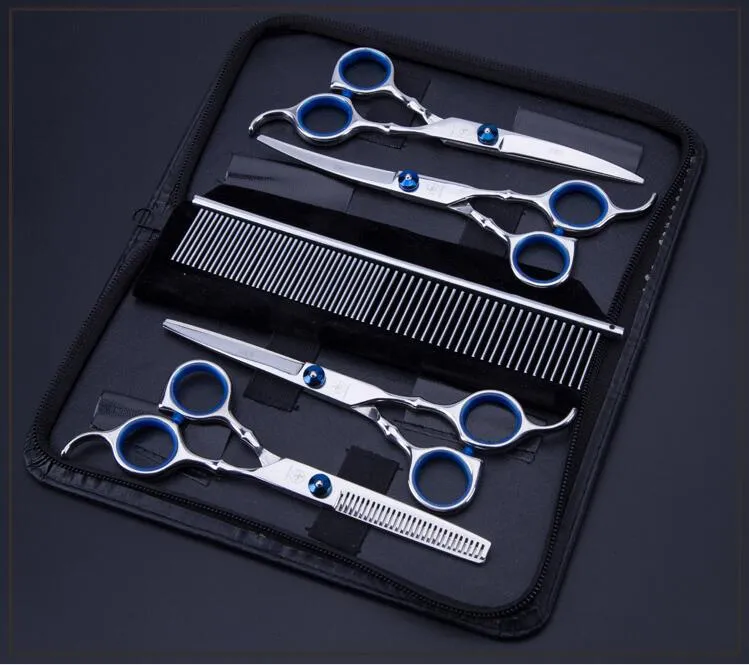
Buy Now
See More: Wholesale Products
Recommended related content
What are the Best Ways to Style Loose T-Shirts Women's?
What are the best ways to style white suits for summer?
What Are the Best Ways to Style Cropped Tops for Women?
What are the Best Dresses with Glitter for a Glamorous Look?
What Are the Best Ways to Style Rhinestone Heels for a Glamorous Look?
