
How to choose the best living room lighting fixtures for your home
Upload time :December 5, 2023
Shares
Reads
When it comes to choosing the best living room lighting fixtures for your home, there are several important things to consider. First, take into account any natural light sources available in the room, as this will affect the type and amount of artificial lighting needed. Next, think about the intended purpose of the space - whether it will be used primarily for entertaining guests or as a cozy spot for relaxation - and choose lighting accordingly. It's also a good idea to pick a focal point in the room, such as a piece of artwork or a fireplace, and highlight it with a strategically placed light fixture. Mixing and matching different types of lighting, such as overhead lights and lamps, can help create a layered, multidimensional effect. Finally, consider installing dimmer switches to allow for easy adjustment of lighting levels depending on the time of day or desired atmosphere. By keeping these tips in mind, you can select the perfect lighting fixtures to enhance the look and feel of your living room.
1. Consider natural light sources
1. Consider Natural Light Sources
The first step in choosing the best living room lighting fixtures is to consider the natural light sources in the room. Depending on the orientation of your living room, you may have access to ample natural light streaming in from windows or skylights. In such cases, you can choose lighting fixtures that are meant to complement and enhance the natural light rather than overpower it.
For instance, if your living room faces east, the morning sun may flood the space with bright light. You can opt for sheer curtains or blinds that allow light to filter through and highlight the beauty of the space. Additionally, you can add wall sconces or pendant lights that emit warm, diffused light that creates a cozy and inviting ambiance.
2. Determine the Purpose of the Space
Before selecting any lighting fixtures, it’s important to define the purpose of your living room. Will it serve as a space for entertaining guests, watching TV, or lounging around? The answer to this question will determine the type of lighting that is most appropriate for the space.
For instance, if you plan to use your living room for reading, you’ll need task lighting that illuminates the area where you’ll be seated. A floor lamp or a table lamp with an adjustable arm would be ideal in this case. On the other hand, if your living room is mainly used for hosting guests, ambient lighting that sets the mood, such as chandeliers or pendant lights, would be more appropriate.
3. Choose the Right Color Temperature
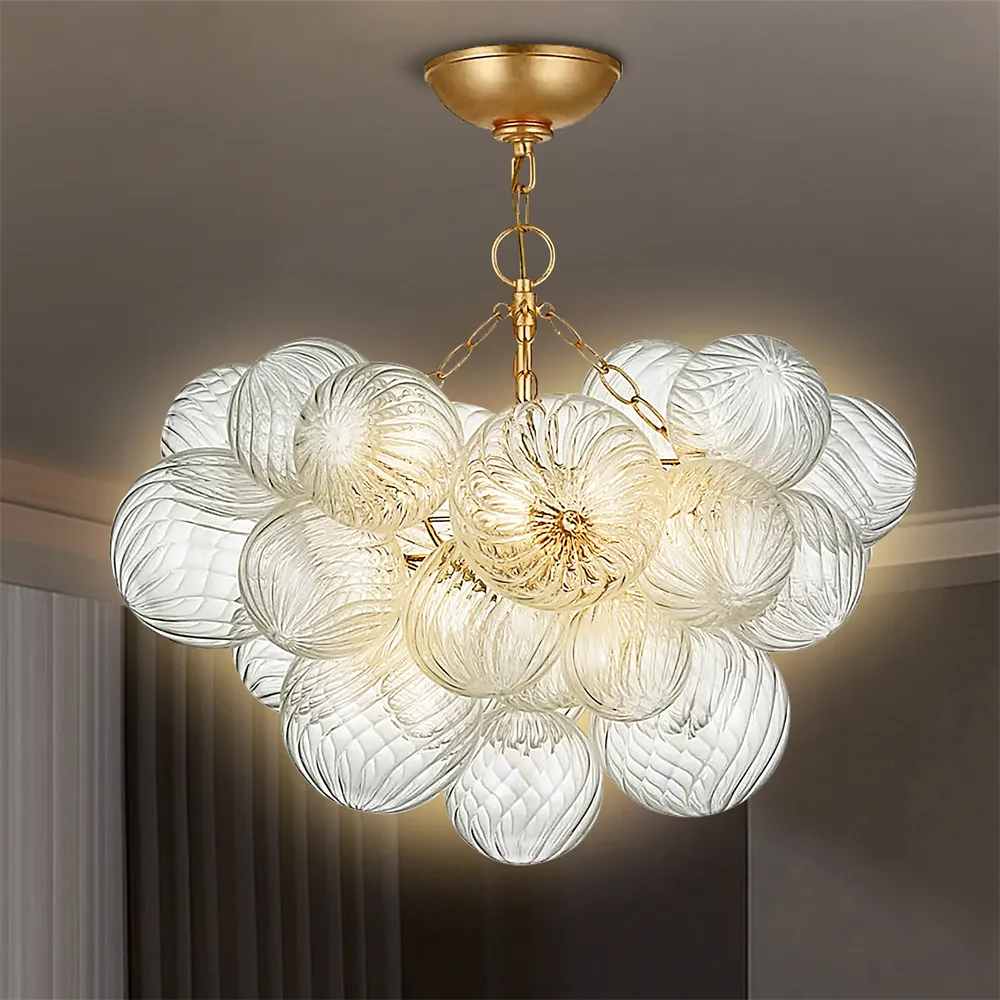
Buy Now
See More: Wholesale Products
Color temperature refers to the warmth or coolness of a light source and is measured in Kelvin (K). When selecting living room lighting fixtures, it’s important to consider the color temperature of the bulbs. Warm white (2700K-3000K) creates a cozy and inviting ambiance, making it ideal for living rooms. Cool white (3500K-4000K), on the other hand, emits a brighter and sharper light that’s better suited for task lighting.
4. Mix and Match Lighting Fixtures
Creating a layered lighting scheme is essential for any living room. This means using different types of lighting fixtures to achieve various effects. For instance, you can combine a ceiling light fixture, recessed lights, and table lamps to create a multi-dimensional lighting scheme that caters to different needs. Mixing and matching lighting fixtures not only adds depth but also helps to create a cohesive and well-designed space.
5. Use Dimmers
Dimmer switches are inexpensive yet highly effective tools that allow you to adjust the brightness of your living room lighting fixtures according to your needs. Dimmers give you the flexibility to create a variety of moods, from bright and cheery to soft and romantic, depending on the occasion.
2. Determine the room's purpose
To determine the purpose of your living room, consider how the space will be used. If it’s primarily for entertaining guests, you may want to incorporate ambient lighting that sets a warm and welcoming tone. Alternatively, if your living room serves as a place to unwind and relax, you may want to focus on incorporating soft, dimmable lighting that creates a cozy atmosphere.
Once you’ve determined the purpose of your living room, it’s time to select your lighting fixtures. Here are some tips to help you choose the best living room lighting fixtures for your home:
1. Ambient Lighting
Ambient lighting is the primary source of light in a room. It provides an overall illumination that helps to create a comfortable and inviting atmosphere. One way to incorporate ambient lighting in your living room is by installing a chandelier or pendant light in the center of the room. These fixtures provide ample light and add a touch of elegance to your space.
Another option for ambient lighting is recessed lighting, which is installed into the ceiling. This type of lighting is an excellent choice if you’re looking for a clean and modern look. It’s also versatile, as you can adjust the direction of the lights to highlight different areas of the room.
2. Task Lighting
Task lighting is designed to provide focused lighting in specific areas of the room. It’s ideal for activities such as reading, working on a laptop, or playing board games. Table lamps and floor lamps are popular options for task lighting in the living room. Choose fixtures with adjustable arms or shades so you can direct the light where it’s needed most.
If you have a media center in your living room, consider installing wall sconces on either side of the TV. This will provide ample lighting without distracting from the screen.
3. Accent Lighting
Accent lighting is used to highlight specific features in the room, such as artwork, sculptures, or architectural details. Wall-mounted picture lights are a great option for accent lighting. They illuminate the artwork and draw the eye to its beauty.
Another option for accent lighting is track lighting. This type of lighting consists of a series of adjustable spotlights that can be directed at different angles. Use track lighting to highlight unique architectural features in your living room, such as exposed brick or a stone fireplace.
4. Dimmer Switches
Finally, don’t forget to install dimmer switches for your living room lighting. This simple addition allows you to adjust the brightness of each fixture, creating the perfect mood for any occasion.
3. Pick a focal point and highlight it
Choosing the best lighting fixtures for your living room can be quite a challenge, especially if you're not sure where to start. However, with a little bit of guidance, you can easily pick out fixtures that will meet your design needs, suit your budget, and elevate the look and feel of your living room. Here's how to choose the best living room lighting fixtures for your home:
1. Determine the purpose of the room
Before choosing any lighting fixture for your living room, it's crucial to think about the primary purpose of the space. Is it a place where you'll be entertaining guests, watching TV, or simply relaxing? The right lighting fixture should complement the intended use of the room and create an environment that is comfortable for everyone.
For instance, bright overhead lights are ideal for rooms where you'll be doing activities that require a lot of light, such as reading or working. On the other hand, soft ambient lighting is perfect for creating a relaxing atmosphere in a space dedicated to relaxation, such as a lounge area.
2. Consider the size and layout of the room
The size and layout of your living room play a significant role in determining the type and number of lighting fixtures you need. For example, if you have a large living room, you may need several lighting fixtures to ensure that the entire space is well-lit. Additionally, if your ceiling is high, consider installing pendant lights or chandeliers to create a dramatic effect.
On the other hand, if you have a small living room, it's advisable to use fewer fixtures to avoid overcrowding the space. In such cases, recessed lighting or track lighting can be an excellent option as they take up minimal space but still provide adequate lighting.
3. Pick a focal point and highlight it
One of the easiest ways to make your living room stand out is by highlighting a particular feature or area using lighting. You can draw attention to your favorite artwork, bookshelf, or fireplace by adding accent lighting above or around them.
For example, installing recessed lighting or picture lights above your artwork can help to showcase its beauty and add to the overall aesthetic appeal of the room. Alternatively, placing floor lamps or table lamps near your favorite reading chair or next to your sofa can provide adequate task lighting while adding a cozy touch to the room.
4. Choose the right color temperature
Another important factor to consider when choosing living room lighting fixtures is the color temperature. The color temperature refers to the warmth or coolness of a light source and is measured in degrees Kelvin (K).
Generally, warmer light (2700K-3000K) emits a yellowish-orange glow that creates a cozy and relaxing atmosphere, while cooler light (4000K-5000K) produces a bluish-white light that is ideal for task-oriented spaces such as home offices. When selecting lighting fixtures, consider the existing decor in your living room and choose a color temperature that complements your paint, furniture, and other accessories.
5. Get creative with lighting fixtures
Finally, don't be afraid to get creative with your lighting fixtures. Mixing and matching different types of lighting fixtures can create a unique and dynamic look in your living room. For instance, you can combine floor lamps, table lamps, and pendant lights to add depth and dimension to the space.
4. Mix and match different lighting types
1. Think about the function of the room
Before you start shopping for lighting fixtures, take a moment to consider how you use your living room. Is it primarily a space for entertaining? Do you use it as a cozy spot to curl up with a book? Or is it a multipurpose room that serves a variety of functions? Depending on your answer, you may need different types of lighting to suit your needs.
For example, if you frequently entertain guests, you may want to invest in a statement chandelier or pendant light to create a focal point in the room. If you use your living room as a reading nook, task lighting such as a floor lamp or table lamp may be more appropriate. And if your living room serves multiple purposes, a combination of ambient, task, and accent lighting will likely be necessary.
2. Consider the size and layout of the room
The size and layout of your living room will also play a role in determining the best lighting fixtures for your space. In general, larger rooms can handle bigger and bolder lighting fixtures, while smaller rooms may require more subtle options.
If you have high ceilings, a tall floor lamp or hanging pendant light can help to draw the eye upwards and make the room feel more spacious. On the other hand, if your living room has low ceilings, flush or semi-flush mount ceiling lights may be a better choice to avoid overwhelming the space.
Finally, consider the layout of your furniture when choosing lighting fixtures. You want to make sure that your lighting is placed in a way that illuminates the areas of the room where you spend the most time. For example, if you have a sectional sofa, a pair of matching table lamps on either end can help to balance the space and provide ample light for reading or socializing.
3. Think about the style of your decor
Just like any other piece of decor, your lighting fixtures should complement the overall style of your living room. If you have a modern or minimalist aesthetic, sleek and simple fixtures such as track lighting or recessed lights may be the way to go. On the other hand, if your decor is more traditional, ornate chandeliers or sconces can add a touch of elegance to the space.
When choosing lighting fixtures, think about the finishes and materials used as well. If you have a lot of metallic accents in your living room, fixtures with brass, copper, or silver finishes can tie everything together. Alternatively, if you have a lot of natural wood elements, fixtures made from materials such as rattan, bamboo, or wicker can help to bring the outdoors inside.
4. Mix and match different lighting types
Finally, don't be afraid to mix and match different types of lighting in your living room. The right combination of ambient, task, and accent lighting can create a layered and dynamic look that enhances the overall mood of the space.
For example, you might use overhead ceiling lights or a statement chandelier for ambient lighting, a floor lamp or table lamp for task lighting, and wall sconces or under-cabinet lighting for accent lighting. By playing with different heights, angles, and intensities of light, you can create a warm and inviting atmosphere that's perfect for relaxing or entertaining.
5. Adjust lighting levels with dimmers
One important aspect to consider when choosing living room lighting fixtures is the function of the room. The living room serves as a multi-purpose space where you entertain guests, watch TV, read, or relax. Therefore, you need to select lighting fixtures that cater to these different functions. For example, if you host dinner parties regularly, then you might want to opt for a chandelier or pendant lights that create a warm and inviting atmosphere. Similarly, if you enjoy reading, then table lamps are an excellent choice as they offer focused task lighting.
Another essential factor to consider is the size of your living room. The size and height of your ceiling will help you determine the type of lighting fixture that will work best in your space. If you have high ceilings, then a chandelier or pendant light that hangs down from the ceiling will add visual interest and draw attention upwards. On the other hand, if you have low ceilings, then flush mount lighting fixtures are a great option as they sit close to the ceiling and create the illusion of height.
Additionally, the color scheme and style of your living room should also influence your lighting choices. If you have a modern decor with chrome and glass accents, then contemporary lighting fixtures with clean lines and sleek designs will complement your space. Alternatively, if you have a traditional interior, then antique or vintage-inspired fixtures such as brass sconces or lanterns will blend in seamlessly with your decor.
Now let's talk about dimmers. Dimmer switches allow you to adjust the brightness of your lighting and create different moods in your living room. For instance, during movie nights, you can turn down the lights to create a cozy and intimate atmosphere. On the other hand, if you're hosting a lively party, you can use brighter lighting to create a festive ambiance. Installing dimmer switches is easy and can be done by a qualified electrician. They also come in various styles and colors, so you can choose one that matches your existing switch plates.
When selecting living room lighting fixtures, it's also important to consider energy efficiency. LED bulbs are a popular choice as they last longer than traditional incandescent bulbs and consume less energy, which translates into lower electricity bills. LED bulbs are also available in various color temperatures, ranging from warm white to cool white, allowing you to create a custom lighting scheme that suits your preferences.
In conclusion, choosing the best living room lighting fixtures for your home requires careful consideration of several factors such as function, size, color scheme, style, and energy efficiency. By taking these factors into account, you can create a warm, inviting, and functional living space that meets your lighting needs. Don't forget to install dimmer switches to enhance your lighting options and create a cozy atmosphere that's perfect for any occasion!
Recommended related content
What are the Best LED Solar Outdoor Lights for Your Home?
How to Choose the Perfect Orange Squeezer for Your Kitchen Needs
What Are the Best Slimming Dresses for Women?
How to choose the perfect Fitbit replacement band for your fitness goals
