
The Ultimate Guide to Creating Beautiful Fish Tanks with Plants
Upload time :September 8, 2023
Shares
Reads
- Oxygen production: Plants photosynthesize and release oxygen as a byproduct, which is beneficial for fish and other aquatic organisms. Oxygenating the water helps maintain a healthy oxygen level and prevents low oxygen-related problems for the fish.
- Natural filtration: Live plants act as natural filters by absorbing excess nutrients, such as nitrates, ammonia, and phosphates from waste and uneaten fish food. This helps prevent the growth of harmful algae and keeps the water clean and balanced.
- Algae control: Dense growth of healthy plants competitively restricts the growth of unwanted algae in the aquarium. Plants shade the tank, producing less light for algae to thrive and absorbing nutrients that algae need to grow.
- Stress reduction: The presence of live plants creates a more natural and aesthetically pleasing environment, reducing stress levels for fish. Plants offer hiding places and shelter, making fish feel secure and reducing aggression between them.
- Food and grazing opportunities: Many fish species, particularly herbivorous or omnivorous ones, enjoy nibbling on live plants. Providing them with this natural food source helps meet their dietary needs and encourages natural behavior.
- Aesthetic appeal: Live plants add visual appeal, making the aquarium more pleasing and natural-looking. The vibrant colors, shapes, and textures of different plant species can enhance the overall beauty and create a more engaging habitat.
- Reproduction and breeding grounds: Some fish species prefer to spawn or lay eggs on plant leaves or in thick vegetation. The presence of live plants provides suitable breeding sites and helps encourage successful reproduction.
- Compatibility with Fish: Some fish species may eat or uproot certain plants, so it's important to choose plants that are compatible with your fish. Research which plants are suitable for your specific fish species.
- Lighting Requirements: Different plants have different lighting requirements. Some plants require intense lighting, while others can thrive in low-light conditions. Consider the lighting setup of your fish tank and choose plants accordingly.
- Growth Rate: Consider the growth rate of the plants you select. Fast-growing plants may require more frequent pruning, while slow-growing plants may take longer to establish. Choose plants that you are comfortable maintaining.
- Tank Size: The size of your tank will also determine the type and number of plants you can have. Consider the space available in your tank and choose plants that will fit and not overcrowd the tank.
- Maintenance Requirements: Some plants require more care and attention than others. Consider your ability and willingness to maintain the plants. Some plants may require regular fertilization, trimming, or even CO2 supplementation.
- Aesthetics: Consider the overall aesthetic you want to achieve in your fish tank. Choose plants that complement the colors and layout of your tank. Curate a balanced mix of foreground, middle ground, and background plants to create depth and visual interest.
- Research the area: Before creating a balanced ecosystem, it's important to research and understand the natural ecosystem of the area. This includes identifying the native species, their habitats, and their interactions with each other.
- Restore or protect habitats: Identify and restore or protect habitats that are crucial for the survival of various species. This may involve planting native vegetation, creating wetlands, or removing invasive species.
- Manage populations: Ensure that there is a balance in the population sizes of different species within the ecosystem. This can be done through monitoring population levels, implementing regulations, and promoting responsible conservation practices.
- Promote biodiversity: Increase the diversity of species within the ecosystem by reintroducing native species, creating suitable habitats, and preserving existing habitats. Biodiversity helps maintain a healthy and resilient ecosystem.
- Minimize human impact: Minimize human activities that negatively impact the ecosystem, such as pollution, deforestation, and habitat destruction. Encourage sustainable practices and educate the community about the importance of conserving natural resources.
- Control invasive species: Identify and control invasive species that disrupt the natural balance of the ecosystem. Invasive species can outcompete native species for resources and disturb natural habitats.
- Preserve keystone species: Identify and protect keystone species within the ecosystem. Keystone species play a crucial role in maintaining ecosystem balance and their preservation is vital for the overall health of the ecosystem.
- Monitor and adapt: Regularly monitor the ecosystem to assess the impacts of conservation efforts and adapt management strategies as needed. Keep track of population trends, habitat health, and overall ecosystem dynamics.
Summary: This blog talks about everything you need to know about creating stunning fish tanks with plants. Fish tanks can be much more than just a glass box with water, and this guide will teach you how to create a living aquatic ecosystem that will flourish with the help of plants. Adding plants to fish tanks not only makes them aesthetically pleasing but also improves the health of your fish.
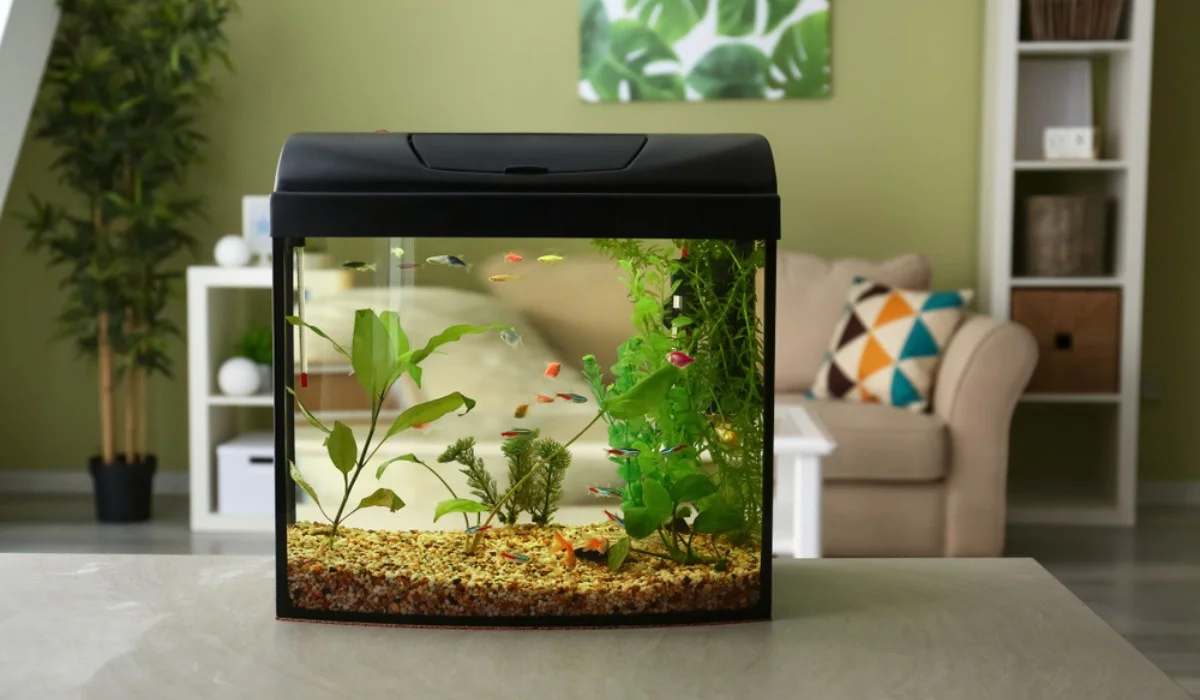
Why add plants to your fish tanks?
Adding plants to fish tanks provides several benefits for both the fish and the overall tank ecosystem. Here are some reasons why plants are commonly added to fish tanks:
Overall, adding live plants to your fish tank creates a healthier and more balanced aquatic environment, benefiting both the fish and their ecosystem.
Choosing the right plants for your fish tank
When choosing plants for your fish tank, there are several factors to consider:
Some popular plants for fish tanks include Java fern, Anubias, Amazon sword, Vallisneria, and Java moss. However, it's always best to research and choose plants that will thrive in your specific tank conditions and suit your fish species.
Creating a balanced ecosystem
Creating a balanced ecosystem involves ensuring that the different organisms within the ecosystem are able to coexist and thrive in a sustainable manner. Here are some steps to consider when creating a balanced ecosystem:
Remember, creating a balanced ecosystem is a continuous process that requires ongoing effort, collaboration, and adaptation. It's important to work with experts, conservation organizations, and the local community to ensure the success of ecosystem restoration and conservation initiatives.
QA:
1. What is the best way to maintain freshwater plants in a fish tank?
A: Regular water changes, consistent lighting, and proper fertilization are all essential for maintaining healthy plant growth in a fish tank. It’s important to understand the individual needs of each plant species and adjust your maintenance routine accordingly.
2. Can saltwater aquariums benefit from adding plants?
A: Yes, adding saltwater plants can provide many benefits, including improving water quality, reducing waste, and providing a natural environment for fish and invertebrates. However, it’s important to make sure the plants you select are compatible with saltwater conditions.
3. Should I use artificial or live plants for my fish tank?
A: Live plants provide many benefits to a fish tank and are preferred by most aquarium enthusiasts. However, artificial plants can be a good option for beginners or those who want a low-maintenance tank. Artificial plants don’t require the same level of care, but they also don’t provide the same benefits as live plants.
 Buy NowSee More: Wholesale Products
