
How to Choose the Best Pet Travel Carrier for Your Furry Friend
Upload time :November 27, 2023
Shares
Reads
When it comes to traveling with your furry friend, choosing the right pet travel carrier is crucial for their safety and comfort. There are several factors that you need to consider before making a purchase. Firstly, ensure that the carrier provides adequate safety and comfort for your pet during the journey. Secondly, make sure that the size and weight restrictions of airlines are met so that you don't face any issues during check-in. Thirdly, look for carriers that are durable and have proper ventilation features to keep your pet comfortable throughout the journey. Fourthly, choose a carrier that is easy to use and clean. Lastly, consider budget-friendly options available in the market that meet all the necessary requirements. By paying attention to these key factors while selecting a pet travel carrier, you can ensure that your furry friend travels safely and comfortably alongside you.
1. Safety and comfort of the pet.
1. Safety and comfort of the pet
The safety and comfort of your pet should always come first when choosing a pet travel carrier. The carrier should be sturdy and durable enough to withstand any unforeseen events during the trip, such as turbulence or sudden stops. It should also have proper ventilation to allow your pet to breathe easily and comfortably. Additionally, make sure the carrier has enough space for your pet to move around and stretch its legs, but not too much space that it can get tossed around in transit.
2. Type of Carrier
Pet travel carriers come in different types, including soft-sided, hard-sided, and backpack carriers. Your choice of carrier will depend on several factors, such as the size and breed of your pet, the mode of transportation, and your personal preference.
Soft-sided carriers are lightweight and easier to carry, making them ideal for air travel and short trips. They are also more comfortable for pets since they can conform to their bodies and provide extra cushioning.
Hard-sided carriers, on the other hand, offer better protection and security but may be heavier and less comfortable for your pet. These are ideal for long road trips or if you need to transport your pet by cargo.
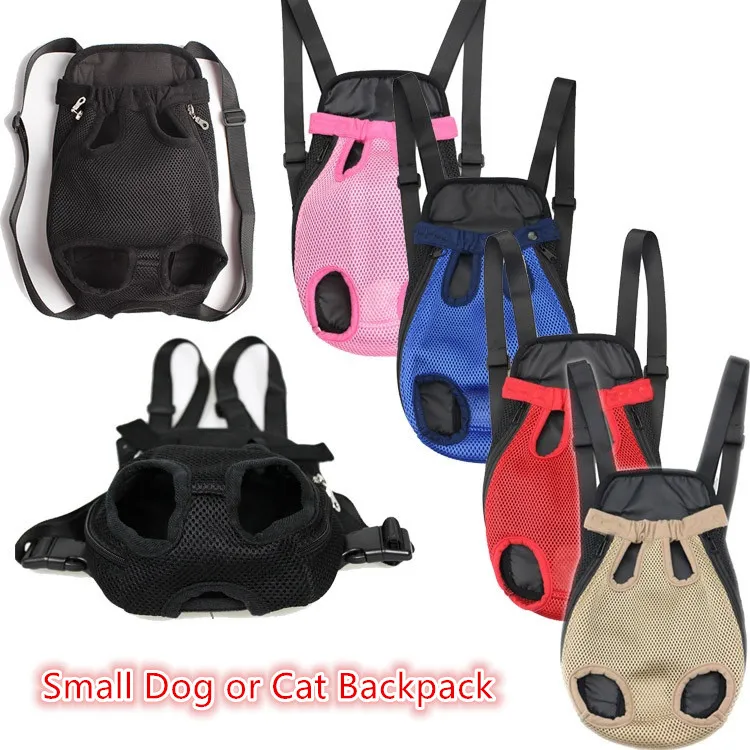
Backpack carriers are great for smaller pets and if you plan on doing a lot of walking. They allow you to carry your pet hands-free and provide added comfort and support for your pet.
3. Size of Carrier
The size of the carrier is another crucial factor to consider. A carrier that is too small can cause discomfort and stress to your pet, while a carrier that is too big can be difficult to manage and may not provide enough support during transportation.
To determine the appropriate carrier size, measure your pet from the tip of its nose to the base of its tail and add a few inches for comfort and movement. Also, check the weight limit of the carrier to ensure it can accommodate your pet's weight.
4. Material and Durability
The material and durability of the carrier are also essential factors to consider. Look for carriers made of high-quality materials that can withstand wear and tear over time. Nylon, polyester, and canvas are popular options for soft-sided carriers, while hard-sided carriers are typically made of rigid plastic or metal.
5. Ease of Cleaning
Since pets can be messy, it's important to choose a carrier that is easy to clean. Soft-sided carriers with removable and washable liners are more convenient to clean than those without. Hard-sided carriers with smooth surfaces are also easier to wipe down and disinfect.
6. Accessibility
Accessibility is another factor to consider, especially if you plan on using the carrier frequently. Look for carriers with multiple entry points, such as top and side openings, to make it easier to place and remove your pet. Also, make sure the zippers or closures are secure and won't accidentally open during transit.
7. Additional Features
Lastly, consider additional features that may be useful for you and your pet, such as pockets for storing treats and toys, padded straps for carrying comfort, and ID tags for identification.
2. Size and weight restrictions of airlines.
One of the most important factors to consider when selecting a pet travel carrier is the size and weight restrictions of airlines. Here are some tips to help you choose the best travel carrier for your furry friend:
1. Check airline guidelines
Before purchasing a pet travel carrier, be sure to check the airline guidelines regarding pet carrier sizes and weight restrictions. Each airline has its own regulations, so it's important to do your research beforehand. Some airlines may allow larger carriers, while others might have strict size limitations.
In addition to size restrictions, many airlines also impose weight limits on pet travel carriers. Generally, the maximum weight allowance for a pet and carrier combined is 20-22 pounds. However, this may vary depending on the airline, so make sure to check their guidelines before booking your flight.
2. Consider your pet’s size and weight
Your pet's size and weight will play a significant role in determining which carrier you should opt for. While some pets may require larger carriers, smaller ones might be sufficient for others. Therefore, measure your pet from nose to tail and weigh them to ensure that you purchase the right size carrier.
It's also worth noting that some airlines may require your pet to be able to stand up and turn around comfortably inside the carrier. So, if your pet is larger or heavier, make sure to take this into account.
3. Opt for a durable carrier
Your pet’s safety is paramount, and that’s why you need to invest in a sturdy, durable carrier that can withstand the rigors of air travel. Look for carriers made of high-quality materials, such as hard-sided plastic or metal, that can protect your pet from getting bumped around during transit.
Additionally, ensure that the carrier has secure locks that won't accidentally come undone, and that the door is firmly secured to prevent any escape attempts by your furry friend.
4. Choose a carrier with proper ventilation
Ventilation is another crucial factor to consider when purchasing a pet travel carrier. Your pet needs fresh air to breathe during the flight, so look for a carrier that has ample ventilation holes or mesh panels that allow for good airflow.
However, avoid carriers with too many ventilation holes or large mesh openings that can let in cold drafts or cause your pet to become too exposed to the sun. The carrier should provide enough ventilation without compromising your pet's safety or comfort.
5. Ensure the carrier is comfortable
Your pet will spend a considerable amount of time inside the carrier during the flight, so it's essential to make sure that they're comfortable. Look for carriers that have soft, padded interiors that provide cushioning and support for your pet. This will help ensure that your pet doesn't suffer any injuries or discomfort during transit.
If you're planning a long flight, consider investing in a carrier that comes with additional features such as water bottles or food compartments to keep your pet hydrated and fed throughout the journey.
3. Durability and ventilation features.
In this article, we will focus on one of the most important features – durability and ventilation. Read on to learn more about what to look for when choosing a durable and well-ventilated pet travel carrier.
Durability
The durability of a pet travel carrier is crucial because pets are known to be curious creatures that love to explore their surroundings. Hence, the carrier must be able to withstand chewing, scratching, and other forms of pet activities that could damage it. Here are some factors to consider when evaluating a carrier's durability:
1. Material: The material used in making the carrier determines its strength and sturdiness. Soft carriers made of nylon or mesh are lightweight, flexible, and easy to carry around. However, they may not be as durable as hard-sided carriers made of sturdy materials like plastic or metal. Hard-sided carriers are more robust, but they are relatively heavy and less comfortable for pets.
2. Reinforcements: Carriers with reinforced corners, zippers, and seams are more durable than those without. Such reinforcements prevent tears and breakages, ensuring the carrier lasts longer.
3. Weight capacity: It is essential to choose a carrier that can hold your pet's weight comfortably. Overloading a carrier could lead to damages that could compromise its durability.
4. Cleaning ease: A carrier that is easy to clean and maintain tends to last longer than one that requires extensive cleaning. Look for carriers with removable washable pads or carpets, as well as those with waterproof exteriors that resist stains and odors.
Ventilation
Proper ventilation is necessary to ensure your pet's comfort and wellbeing during travel. Good ventilation enhances air circulation, preventing the carrier from becoming stuffy and hot. Here are some factors to consider when evaluating a carrier's ventilation features:
1. Size and shape of ventilation holes: The placement, size, and shape of the ventilation holes determine the amount of airflow that enters the carrier. Some carriers have small perforations that allow minimal airflow, while others have larger mesh windows that provide ample ventilation. Mesh windows also allow pets to see outside, which reduces anxiety and stress during travel.
2. Location of ventilation holes: The location of ventilation holes is equally important. Ideally, the holes should be positioned in such a way that airflows over your pet's body, providing cooling relief. Additionally, having ventilation holes on opposing sides of the carrier allows for cross-ventilation, enhancing air circulation.
3. Removable covers: Some carriers come with removable covers that allow you to adjust the level of ventilation based on the weather conditions. For instance, if it is cold outside, you can cover the mesh windows partially to keep your pet warm. Conversely, if it is hot, you can remove the covers to increase airflow.
4. Comfort features: Comfort features such as padded interiors, adjustable straps, and carrying handles make traveling easier for both you and your pet. They also enhance ventilation by ensuring that the carrier is secure and stable, allowing for optimal air circulation.
4. Ease of use and cleaning.
When it comes to choosing a pet carrier, ease of use is an important factor to consider. You want a carrier that is easy to assemble, disassemble, and store. This is especially important if you are traveling by air, as airlines usually require that carriers can fit under the seat in front of you. A carrier that is too bulky or difficult to handle can be stressful for both you and your pet.
Another aspect of ease of use is the design of the carrier. Look for a carrier that has convenient access points, such as a top-loading or side-loading option, so you can easily place your pet inside. You should also look for a carrier that has sturdy handles or shoulder straps for easy carrying.
In addition to ease of use, cleaning is another important factor to consider when choosing a pet travel carrier. Pets can be messy, and accidents happen. A carrier that is easy to clean will save you time and effort, and keep your pet safe and comfortable during travel.
When looking for a carrier that is easy to clean, consider the material it is made of. Some carriers are made of fabric that can be machine washed, while others are made of plastic or hard-sided materials that can be wiped down with a damp cloth. It is important to choose a carrier that is made of non-porous materials, as they are less likely to absorb odors and bacteria.
Another feature to look for in a carrier that is easy to clean is removable and washable padding. Padding helps keep your pet comfortable during travel, but it can also absorb moisture and odors, making it difficult to clean. A carrier with removable and washable padding makes it easy to keep the carrier fresh and clean.
When it comes to cleaning your pet carrier, it is important to do so regularly. A carrier that is not cleaned regularly can harbor bacteria and odors that can be harmful to your pet's health. Be sure to follow the manufacturer's instructions for cleaning, and use pet-friendly cleaning products.
5. Budget-friendly options available.
1. Size Matters
The first thing you need to consider when choosing a pet travel carrier is the size of your furry friend. You want to make sure that they have enough room to move around comfortably but not too much space that they can get tossed around during transport. Measure your pet from nose to tail and add a few inches for comfort. Also, check the weight limit of the carrier to ensure that it can support your pet’s weight.
2. Type of Carrier
Pet travel carriers come in different types, including soft-sided, hard-sided, and backpack carriers. Soft-sided carriers are lightweight and easy to handle, but they offer less protection than hard-sided carriers. Hard-sided carriers are more durable and provide better protection, but they can be heavier and harder to carry. Backpack carriers are great for small pets and are perfect for hiking and other outdoor activities.
3. Material
The material of the carrier also plays an important role in ensuring your pet’s comfort and safety. Soft-sided carriers are usually made of nylon, polyester, or canvas, while hard-sided carriers are typically made of plastic or metal. Look for carriers that are well-padded and have breathable mesh windows to allow air to circulate freely.
4. Security Features
Your pet’s safety should always be a top priority when traveling, so look for carriers that have strong and secure closures. Zippers should be sturdy and lockable, and the carrier should have a tether or clip inside to secure your pet’s harness or collar. Some carriers also come with additional security features, such as locking latches and seatbelt straps.
5. Budget-friendly options available
Finally, don’t let price be a barrier to finding the right pet travel carrier for your furry friend. There are plenty of budget-friendly options available that offer both comfort and safety. Soft-sided carriers are generally more affordable than hard-sided carriers, and there are plenty of good quality options available online and in pet stores. You can also look for second-hand carriers or borrow one from a friend if you only need it for a short time.
In conclusion, choosing the right pet travel carrier for your furry friend doesn’t have to be expensive or stressful. By considering the size, type, material, security features, and your budget, you can find a carrier that will keep your pet safe and comfortable during their travels. Remember to always prioritize your pet’s safety and comfort over anything else, and happy travels!
Buy Now
See More: Wholesale Products
Recommended related content
How to Choose the Best Shoes for Pole Dancing: Tips and Tricks
How to choose the perfect Apple Watch band for your lifestyle
How to Choose the Right Outdoor Light Christmas Tree for Your Home
How to Choose a Reliable Outlet for Quality Jewelries
The Benefits of Switching to a Necklace Dog Collar for Your Furry Friend
