
The Evolution of Lamp Bulbs: From Incandescent to LED
Upload time :October 16, 2024
Shares
Reads
The
Evolution of Lamp Bulbs: From Incandescent to LED
Introduction
![Lamp
Bulb]https://image.dhgate.com/0x0/f3/albu/jc/s/10/7539bc00-0c44-4fb4-82d2-79babbef24ef.jpg
“Lamp Bulb”)
Ever wondered how the humble lamp bulb has evolved over the years?
This post will illuminate (pun intended!) the journey from the
traditional incandescent bulbs to the super-efficient LED bulbs of
today. By the end, you’ll not only know the history but also understand
the benefits of LED bulbs, pick up some energy-saving tips, and get
advice on choosing the perfect bulb for your needs.
Section 1: The History of
Lamp Bulbs
Incandescent Bulbs
Let’s kick things off with the incandescent bulb, the OG of lighting.
Invented by Thomas Edison in 1879, these bulbs work by heating a
filament until it glows. While they were groundbreaking at the time,
incandescent bulbs are notorious for their inefficiency—most of the
energy turns into heat rather than light. Despite this, they were the
go-to lighting solution for over a century.
![Lamp
Bulb]https://img4.dhresource.com/0x0/f3/albu/jc/s/10/f832d8cc-9dd2-4197-b402-abc1d7dd4385.jpg
“Lamp Bulb”)
As we move on to more advanced bulbs, you’ll see why incandescent
bulbs had to step aside. But first, let’s look at their successors.
Fluorescent Bulbs
Next in line are fluorescent bulbs, which came into the spotlight in
the mid-20th century. Unlike incandescent bulbs, these use an electric
current to excite mercury vapor, producing ultraviolet light that then
gets converted into visible light by a phosphor coating. Fluorescent
bulbs are more efficient than incandescent bulbs and last longer, but
they contain mercury, which poses environmental risks.
The switch to fluorescent bulbs marked a significant step toward
energy efficiency, but they weren’t the final answer. Enter halogen
bulbs.
Halogen Bulbs
Halogen bulbs are essentially an upgraded version of incandescent
bulbs. They use a halogen gas to increase lifespan and efficiency. These
bulbs are known for their bright, white light and are often used in car
headlights and spotlights. However, they still generate a lot of heat
and aren’t as energy-efficient as some of the newer options on the
market.
This brings us to the revolutionary LED technology, which has changed
the lighting game entirely.
Section 2: The Rise of LED
Technology
How LED Bulbs Work
LED bulbs, or Light Emitting Diodes, are the new kids on the block,
but they’ve quickly become the gold standard. These bulbs work by
passing an electric current through a semiconductor, which emits light.
LEDs are incredibly efficient and can be designed to emit various colors
and intensities.
Benefits of LED Bulbs
Energy Efficiency: LED bulbs use up to 80% less
energy than incandescent bulbs. Imagine the savings on your electric
bill!
Longevity: These bulbs can last up to 25 times
longer than incandescent bulbs. You’ll be changing bulbs less
frequently, which is both convenient and cost-effective.
Cost-Effectiveness: While the initial cost may be
higher, the long-term savings make LEDs a smart investment.
Environmental Impact
Switching to LED bulbs can significantly reduce your carbon
footprint. They consume less power, last longer, and don’t contain
harmful substances like mercury. It’s a win-win for both you and the
planet.
With all these benefits, it’s no wonder LEDs are taking over. But
what if you have specialized lighting needs? That’s where specialized
bulbs come in.
Section 3:
Specialized Bulbs and Their Uses
Heat Lamps
Heat lamps are vital in both residential and commercial settings.
They are commonly used in bathrooms, saunas, and food service areas to
provide localized heat. These bulbs are designed to emit more infrared
light, which translates to heat.
UVB Bulbs
UVB bulbs are essential for reptile care. They help in the synthesis
of vitamin D, which is crucial for bone health. These bulbs are usually
found in terrariums and are a must-have for reptile enthusiasts.
Reptile Lights
Reptile lights come in various types, including heat lamps and UVB
bulbs. They provide the necessary heat and light spectrum that reptiles
need for their well-being.
Turtle Lights
Turtle lights are specialized UVB lamps designed to meet the unique
needs of turtles. These lights help in calcium absorption, preventing
shell deformities and promoting overall health.
UVB Lamps
UVB lamps are also used for other specific applications like plant
growth and even some medical therapies. They offer a range of benefits
from enhancing plant photosynthesis to aiding in vitamin D production in
humans.
Now that we’ve covered specialized bulbs, let’s help you choose the
right one for your needs.
Section 4: Choosing the
Right Lamp Bulb
Energy Efficiency Tips
Choosing energy-efficient bulbs can save you a lot of money in the
long run. Look for bulbs with the ENERGY STAR label, opt for LEDs, and
consider the wattage and lumens to ensure you’re getting the right
amount of light without wasting energy.
Considerations for Specific
Needs
Household Lighting: For general home use, stick with
LED bulbs. They offer a range of color temperatures and are perfect for
any room.
Commercial Uses: Fluorescent and LED bulbs are ideal
for commercial settings. They provide bright, uniform light and are
cost-effective.
Specialized Applications: Whether you need a heat
lamp for a bathroom or a UVB bulb for a reptile, make sure to choose the
right type for your specific needs.
Speaking of specialized bulbs, if you’re a reptile enthusiast, we’ve
got the perfect product for you!
Product
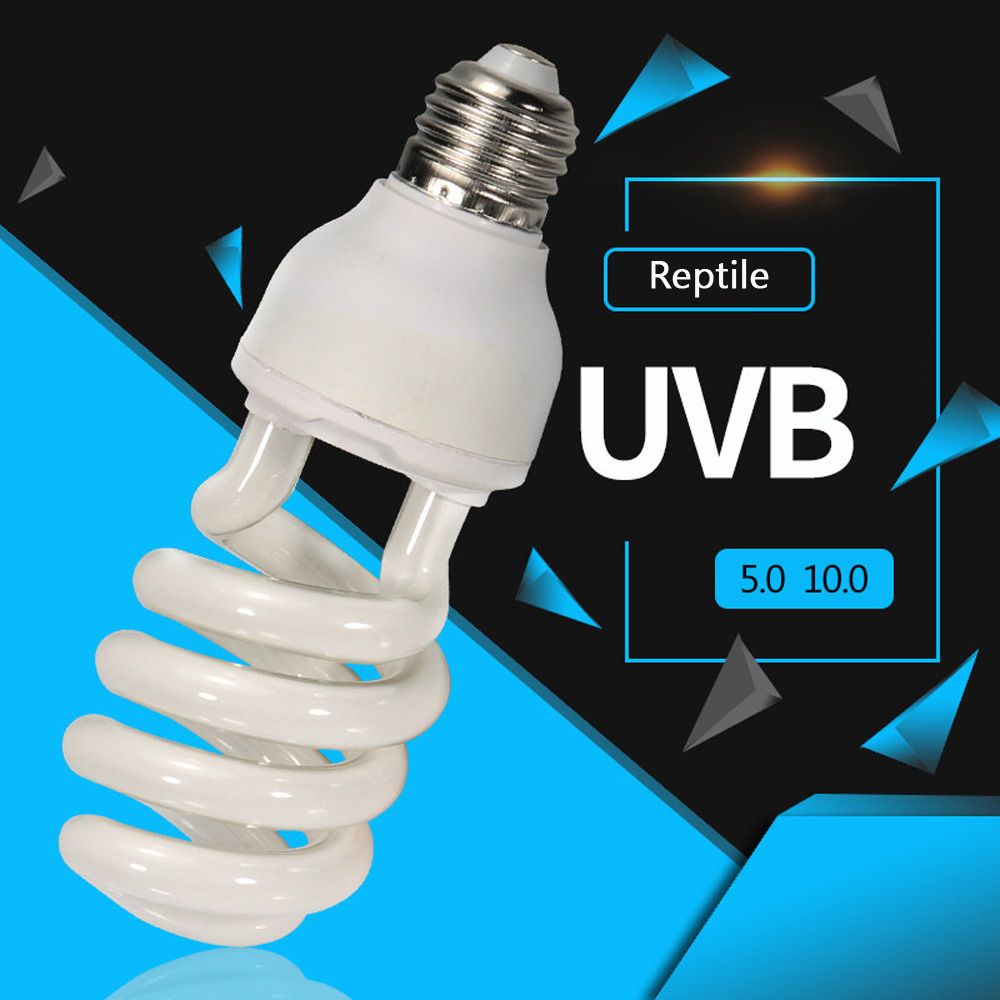
Advertisement: Reptile UVB 5.0 10.0 Lamp Bulb For Turtle Lizard Snake
Iguanas Heat Calcium Lamp Bulb Energy Saving Light Reptile Succulent
E27
This Reptile
UVB 5.0 10.0 Lamp Bulb is a game-changer for reptile care. It
provides essential UVB lighting that supports healthy bone growth and
metabolism in reptiles like turtles, lizards, snakes, and iguanas. The
energy-efficient design ensures long hours of continuous light without
excessive power consumption. With dual wavelengths (UVB 5.0 & 10.0),
it optimizes vitamin D production while minimizing ozone emissions,
making it safe for home use. Plus, it’s versatile enough to be used for
growing succulents indoors. Installation is a breeze with its standard
E27 socket compatibility.
Conclusion
In summary, the evolution of lamp bulbs from incandescent to LED has
brought numerous benefits, including energy efficiency and
sustainability. By understanding the different types of bulbs and their
specific uses, you can make better lighting choices for your home,
business, or special needs. Consider the Reptile UVB 5.0 10.0 Lamp Bulb
for your reptile lighting requirements, ensuring a healthy and
energy-efficient environment for your pets or plants.
Call-to-Action
We hope you found this article informative and useful. Please share
your thoughts in the comments below and share this post with others who
might benefit from it. Don’t forget to explore the Reptile UVB 5.0 10.0
Lamp Bulb for a reliable and energy-efficient lighting solution!
FAQ
Which bulb is used in a lamp?
Various types of bulbs can be used in lamps, depending on the desired
lighting effect. Incandescent bulbs are often used for lighting table
lamps because they provide a warm light and give off heat. Fluorescent
bulbs are another option, especially for areas where bright, continuous
light is preferred. However, LED bulbs have become the most popular
choice due to their energy efficiency and long lifespan.
Is it called a light bulb or
lamp?
The terminology can be confusing. Technically, what most people refer
to as a “light bulb” is called a “lamp” in professional settings. The
fixture into which the lamp is fitted is commonly referred to as a
“fixture.” In everyday language, however, most people call the lamp a
light bulb and the fixture a lamp.
How do I know what
bulb to use for my lamp?
To determine the right bulb for your lamp, you should check the
fitting code listed on your light fixture. The first letter of the code
indicates the base or cap type, such as Bayonet Cap (BC) or Edison Screw
Base (ES). The numbers following the letter reveal the diameter of the
base or the distance between the pins. Additionally, consider the type
of light you need—LED bulbs are generally the best for energy efficiency
and longevity, while incandescent bulbs offer a warm, cozy light.
