
The Ultimate Mediterranean Diet Grocery List for Easy and Healthy Shopping
Upload time :September 8, 2023
Shares
Reads
Are you looking to follow a healthy diet that is easy to stick to? Look no further than the Mediterranean diet! This way of eating has been shown to improve heart health, brain function, and overall wellbeing. And the best part? You can easily create a grocery list of delicious and nutritious foods that fit within this dietary pattern. In this blog, we'll provide you with the ultimate mediterranean diet grocery list to help you shop for healthy foods that will keep you feeling satisfied and energized.
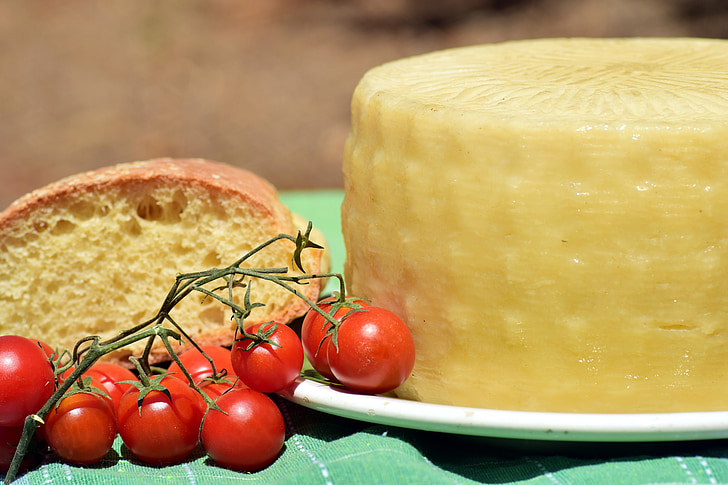
What is the Mediterranean Diet?
The Mediterranean diet is a way of eating inspired by the traditional dietary patterns of countries bordering the Mediterranean Sea. This dietary pattern emphasizes whole, plant-based foods such as fruits, vegetables, nuts, processed foods, and added sugars are limited in this diet. Learn more about the principles of the Mediterranean diet and how it can benefit your health. The Mediterranean diet is a way of eating that is inspired by the traditional dietary patterns of countries bordering the Mediterranean Sea, such as Greece, Italy, Spain, and Morocco. It is not a strict diet plan but rather a lifestyle approach to food.
The Mediterranean diet emphasizes consuming whole, minimally processed foods that are rich in nutrients. Here are some key components of the Mediterranean diet:
1. Abundance of Plant-Based Foods: The diet is centered around fruits, vegetables, legumes, whole grains, nuts, and seeds. These foods provide a wide range of vitamins, minerals, antioxidants, and fiber.
2. Healthy Fats: The Mediterranean diet encourages the consumption of healthy fats, such as olive oil, which is a primary source of fat in this eating pattern. Other sources of healthy fats include nuts, seeds, and avocados.
3. Moderate Consumption of Fish and Poultry: Fish and poultry are preferred sources of animal protein in the Mediterranean diet. Fish, especially fatty fish like salmon, sardines, and mackerel, are rich in omega-3 fatty acids, which have been linked to numerous health benefits.
4. Limited Red Meat: Red meat, including beef, pork, and lamb, is consumed in moderation in the Mediterranean diet. It is often reserved for special occasions
5. Dairy Products in Moderation: The Mediterranean diet includes moderate amounts of dairy products like cheese and yogurt. However, these are not the primary sources of protein and are typically consumed in smaller portions.
6. Fresh Herbs and Spices: Mediterranean cuisine relies heavily on the use of herbs and spices to add flavor to dishes, reducing the need for excessive salt. Common herbs and spices include basil, oregano, rosemary, thyme, and garlic.
7. Red Wine in Moderation: Moderate consumption of red wine is a characteristic of the Mediterranean diet, particularly with meals. However, this is optional and not recommended for individuals who don't drink alcohol or have specific health conditions.
The Mediterranean diet has been associated with numerous health benefits. Research suggests that it may reduce the risk of heart disease, certain types of cancer, and chronic conditions like obesity, type 2 diabetes, and Alzheimer's disease. It is also known for promoting longevity and overall well-being.
It's important to note that the Mediterranean diet is not solely about the types of foods consumed but also the overall lifestyle. Physical activity, enjoying meals with family and friends, and mindful eating are integral parts of this dietary approach.
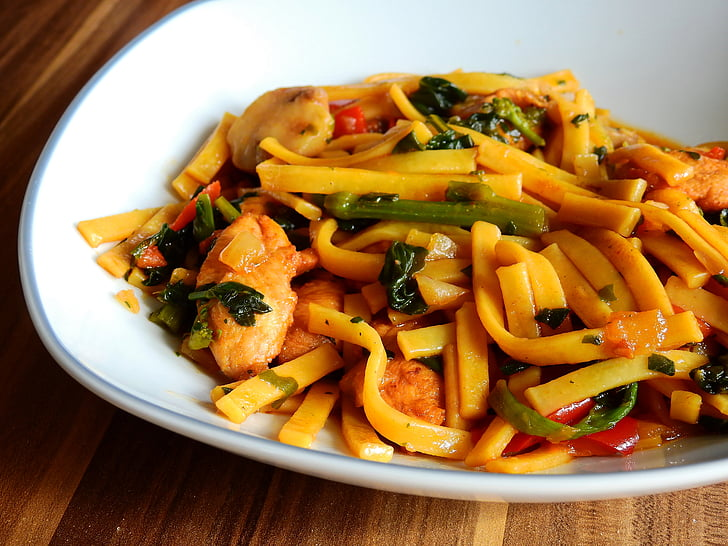
The Best Foods to Add to Your Mediterranean Diet Grocery List
Following a Mediterranean diet can be simple and delicious! By including a variety of nutrient-dense foods in your shopping cart, you can create meals and snacks that satisfy your hunger and nourish your body. From fresh produce to lean proteins, discover the best foods to include on your Mediterranean diet grocery list. The Mediterranean diet is renowned for its health benefits and is based on the traditional eating patterns of countries bordering the Mediterranean Sea. Here are some of the best foods to add to your Mediterranean diet grocery list:
1. Fruits and Vegetables: Include a variety of fresh fruits and vegetables in your diet, such as tomatoes, cucumbers, peppers, leafy greens, oranges, berries, and grapes.
2. Whole Grains: Opt for whole grains like whole wheat bread, brown rice, quinoa, oats, and whole grain pasta. These are rich in fiber and nutrients compared to refined grains.
3. Legumes and Nuts: Incorporate legumes like chickpeas, lentils, and beans into your meals. They are excellent sources of plant-based protein and fiber. Also, include nuts like almonds, walnuts, and pistachios, which offer healthy fats and various nutrients.
4. Olive Oil: Use extra virgin olive oil as your primary source of fat. It is a key component of the Mediterranean diet and provides monounsaturated fats, antioxidants, and anti-inflammatory properties.
5. Fish and Seafood: Include fatty fish like salmon, sardines, and mackerel, which are rich in omega-3 fatty acids. Aim for at least two servings of fish per week.
6. Poultry and Eggs: Consume moderate amounts of poultry like chicken and turkey. Eggs can also be included as a source of protein and essential nutrients.
7. Dairy Products: Opt for Greek yogurt, feta cheese, and other dairy products in moderation. They provide calcium and protein.
8. Herbs and Spices: Flavor your dishes with herbs and spices like garlic, basil, oregano, rosemary, and turmeric instead of excessive salt.
9. Red Wine (in moderation): If you consume alcohol, red wine can be enjoyed in moderation with meals. However, it is not necessary to start drinking if you don't already.
10. Water: Stay well-hydrated by drinking water throughout the day. It is the primary beverage in the Mediterranean diet.
Remember, the Mediterranean diet is not just about individual foods but also about overall eating patterns. It emphasizes whole, minimally processed foods, plant-based ingredients, and a moderate approach to portions.
Tips for Smart and Budget-Friendly Mediterranean Diet Shopping
Eating a balanced and nutritious diet doesn't have to break the bank. With some savvy shopping strategies, you can save money while still enjoying wholesome foods that support your health. From buying seasonal produce to opting for store-brand items, find out how to make the most of your budget when shopping for Mediterranean diet-friendly foods. The Mediterranean diet is known for its health benefits and delicious flavors. Here are some tips to help you shop smart and budget-friendly while following the Mediterranean diet:
1. Plan your meals: Before heading to the grocery store, plan your meals for the week. This will help you create a shopping list and avoid impulse purchases. Include a variety of Mediterranean diet staples such as fruits, vegetables, whole grains, legumes, lean proteins, and healthy fats.
2. Buy seasonal produce: Seasonal produce tends to be more affordable and flavorful. Check what fruits and vegetables are in season and incorporate them into your meals. Local farmers' markets can be a great place to find fresh and affordable produce.
3. Embrace legumes: Legumes like chickpeas, lentils, and beans are inexpensive and versatile sources of protein. They are a staple in the Mediterranean diet. Purchase dried legumes in bulk, as they are cheaper than canned varieties. Soak and cook them yourself to save even more money.
4. Opt for whole grains: Choose whole grains like brown rice, quinoa, whole wheat pasta, and whole grain bread. These are more nutritious and filling compared to refined grains. Buying in bulk can be cost-effective, and these items have a longer shelf life.
5. Include affordable proteins: While fish and seafood are commonly associated with the Mediterranean diet, they can be expensive. Include other affordable protein sources like eggs, chicken, turkey, and plant-based proteins such as tofu, tempeh, and legumes.
6. Shop the sales and discounts: Keep an eye out for sales, discounts, and coupons on Mediterranean diet staples. Check the weekly flyers of local grocery stores and sign up for loyalty programs to receive special offers. Buying in bulk during sales can save you money in the long run.
7. Utilize frozen and canned options: Frozen fruits and vegetables are a convenient and cost-effective alternative when fresh produce is expensive or not in season. Canned tomatoes, beans, and fish can also be affordable options. Just make sure to choose items without added sugars or excessive sodium.
8. Cook in batches and freeze: Prepare larger quantities of meals and freeze the leftovers in individual portions. This can save you time and money by reducing food waste and providing ready-to-eat meals when you're busy or don't feel like cooking.
9. Limit processed and packaged foods: Processed and packaged foods tend to be more expensive and often contain unhealthy additives. Focus on whole, unprocessed foods as the foundation of your Mediterranean diet. These are usually more affordable and healthier in the long run.
10. Grow your own herbs and vegetables: If you have space, consider growing your own herbs and vegetables. It can be a cost-effective way to have fresh produce and herbs readily available. Even small herb gardens on a windowsill can be a great addition to your Mediterranean diet.
By following these tips, you can shop smart and stick to a budget while enjoying the health benefits of the Mediterranean diet. Remember, the key is to focus on whole, unprocessed foods and make the most of affordable and seasonal ingredients.
Q&A:
1. Is it necessary to buy organic foods for a Mediterranean diet?
It is not necessary to buy organic foods to follow a Mediterranean diet. However, if you can afford them and prefer the taste or want to reduce your exposure to pesticides, then organic options are a good choice.
2. Can I eat pasta on a Mediterranean diet?
Yes, you can enjoy pasta on a Mediterranean diet. Try choosing whole-grain varieties and pairing with plenty of vegetables and lean protein for a balanced meal.
3. How can I make sure I am getting enough protein on a Mediterranean diet?
While the Mediterranean diet is not high in animal protein, there are still plenty of plant-based sources of protein to choose from, such as legumes, nuts, seeds, and tofu. Including these foods in your meals and snacks can help ensure that you are meeting your protein needs.
 Buy NowSee More: Wholesale Products
