
The Ultimate Guide to Building and Maintaining Backyard Chicken Coops
Upload time :September 7, 2023
Shares
Reads
- Durability: Look for materials that are sturdy and can withstand outdoor elements like rain, wind, and extreme temperatures. Opt for high-quality woods such as cedar or pressure-treated lumber, as they are naturally resistant to rot and pests.
- Insulation: Chickens are sensitive to temperature changes, so it's essential to insulate your coop properly. Consider using insulation boards or reflective foil insulation to regulate temperatures and keep your flock cozy during cold winters or scorching summers.
- Ventilation: Adequate airflow is crucial for preventing moisture build-up and maintaining good air quality. Choose materials such as wire mesh or hardware cloth for windows and vents to allow fresh air to circulate while keeping predators out.
- Flooring: Selecting the right flooring material is essential for easy cleaning and preventing disease. Many chicken owners prefer using linoleum or vinyl flooring, as they are durable, easy to clean, and provide a barrier against mites or parasites.
- Nesting Boxes and Roosts: For your chickens' comfort, use materials like untreated wood or plastic for nesting boxes and roosting bars. These materials are easy to clean and provide a comfortable spot for your chickens to lay eggs and sleep.
- Safety: When it comes to chicken coops, safety should be a top priority. Ensure that all materials are predator-proof, such as using strong hardware cloth instead of chicken wire and secure latches for doors.
- Plan and Design: Start by planning the size and design of your coop. Consider the number of chickens you plan to have and allow enough space for them to move around comfortably. Sketch out a rough design, taking into account features like nesting boxes, roosts, and access doors.
- Gather Materials: Once you have your design ready, gather all the necessary materials. This may include lumber, screws, wire mesh, roofing materials, and hardware for doors and locks. Ensure that all materials are of good quality and suitable for outdoor use.
- Build the Frame: Begin construction by building the frame of the coop using your chosen lumber. Cut the pieces according to your design and secure them with screws. Make sure the structure is stable and level.
- Add Walls and Roof: Attach walls and a roof to the frame using screws or nails. Use weather-resistant materials like plywood or beadboard. Ensure that the roof is sloped to allow water runoff and prevent leakage.
- Install Windows and Ventilation: Proper ventilation is crucial for the health of your chickens. Cut out windows and cover them with wire mesh for airflow. Add vents near the roof to allow hot air to escape in the summer months.
- Add Nesting Boxes and Roosts: Install nesting boxes and roosts inside the coop. Provide enough nesting boxes for each hen and install roosts at a comfortable height for the chickens to perch on.
- Regular Cleaning: Make it a habit to clean your coop regularly to prevent the buildup of dirt, bacteria, and pests. Remove soiled bedding, droppings, and any leftover feed. Scrub the surfaces with a poultry-friendly disinfectant, and don't forget to clean the nesting boxes.
- Coop Ventilation: Proper airflow is vital for your chickens' respiratory health. Ensure that the coop has proper ventilation to prevent the accumulation of ammonia and moisture. Install windows or vents covered with wire mesh to allow fresh air in while keeping predators out.
- Nesting Box Maintenance: Keep the nesting boxes clean and comfortable for your hens. Replace soiled bedding regularly and consider adding herbs like lavender or pine shavings to keep it fresh and repel pests.
- Pest Prevention: Regularly inspect your coop for signs of pests like mites, lice, or rodents. Cleanliness plays a significant role in pest prevention, but you may also need to use natural remedies or consult a professional if infestations occur.
- Inspect and Repair: Schedule regular inspections of your coop's structure and hardware. Look for any signs of wear and tear, loose wires, or damaged fencing. Promptly repair any issues to ensure your chickens' safety and prevent predators from getting in.
Welcome to the ultimate guide to building and maintaining backyard chicken coops! In this blog, we will provide you with an in-depth understanding of everything you need to know about creating the perfect home for your feathered friends.From choosing the right materials that ensure safety and comfort, to step-by-step instructions on building your coop from scratch, we have you covered. We'll share handy tips and tricks, innovative design ideas, and even address common challenges that backyard chicken enthusiasts may encounter.
But that's not all! We'll also dive into the essential aspects of coop maintenance, ensuring your chickens live in a clean and healthy environment. From proper ventilation to pest control strategies, we leave no stone unturned.Whether you're a seasoned backyard chicken owner or just diving into this rewarding hobby, this guide aims to equip you with the knowledge and inspiration to create a cozy, functional, and happy space for your clucking companions. So, grab your tools and let's get started on the journey to building the chicken coop of your dreams!
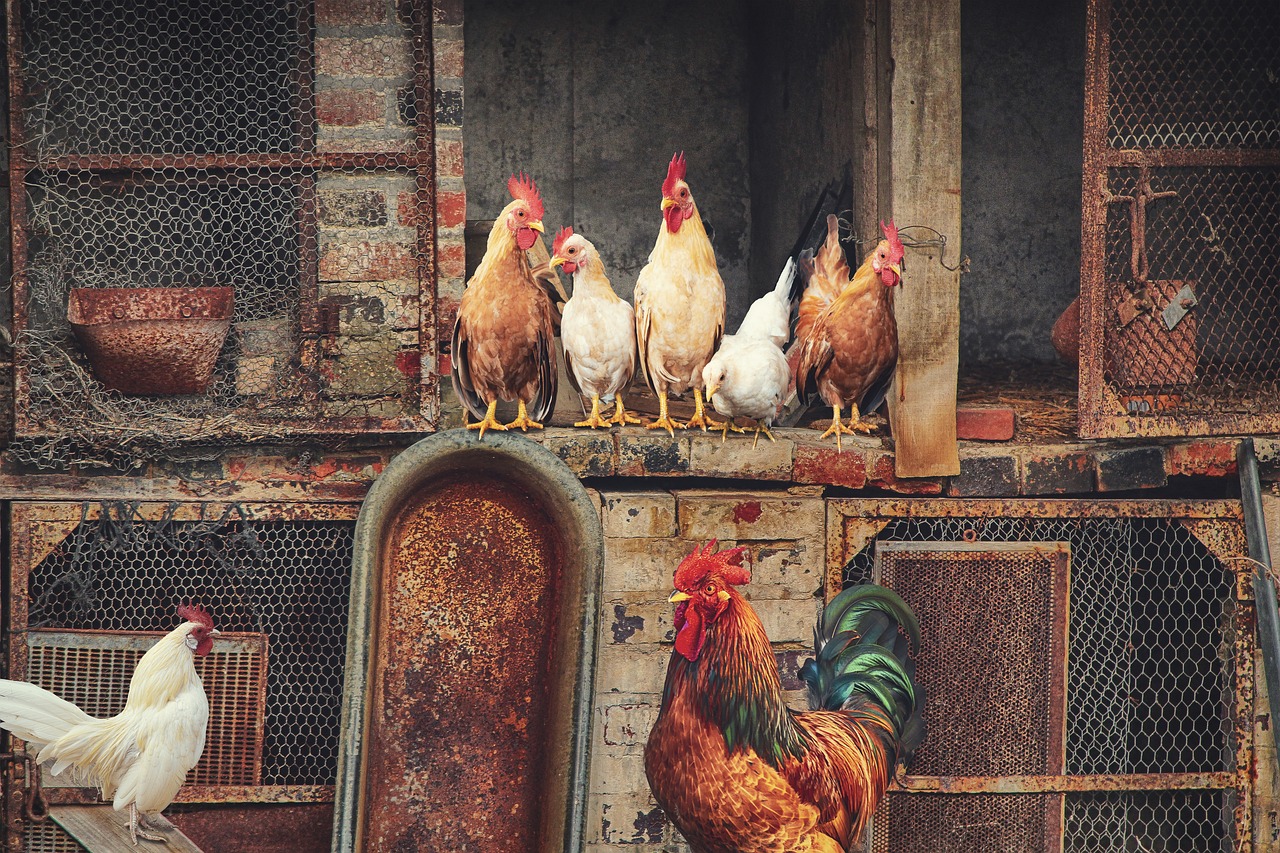
Choosing the Right Materials for Your Backyard Chicken Coop
Choosing the right materials for your backyard chicken coop is crucial in ensuring the safety, comfort, and longevity of your coop. Here are some factors to consider when selecting materials:
Building Your Backyard Chicken Coop
Building your backyard chicken coop can be an exciting and rewarding project. Here is a step-by-step guide to help you get started:
Maintaining Your Backyard Chicken Coop
Maintaining your backyard chicken coop is essential for keeping your feathered friends healthy, happy, and safe. Here are some tips to help you keep your coop in tiptop shape:
Questions and Answers
Q1: What are the best materials for a backyard chicken coop?
A: The best materials for a backyard chicken coop depend on several factors, including climate, budget, and personal preference. Generally, materials such as wood, metal, and plastic are popular choices.
Q2: What are some common mistakes to avoid when building a backyard chicken coop?
A: Some common mistakes to avoid when building a backyard chicken coop include not providing enough space, poor ventilation, and inadequate predator protection.
Q3: How often should I clean my backyard chicken coop?
A: It's important to clean your coop regularly, ideally every week or two. This helps prevent the buildup of bacteria and pests, which can lead to health issues for your chickens.
 Buy NowSee More: Wholesale Products
