
How to Choose The Perfect Colored Plate For Your Dining Table
Upload time :September 8, 2023
Shares
Reads
Choosing the perfect colored plate for your dining table can be a difficult task. With so many colors and styles to choose from, it can be overwhelming. In this blog, we will guide you through the process of choosing the perfect colored plate for your dining table.
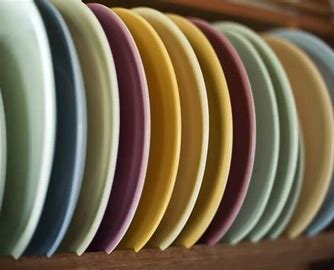
The Importance of Colored Plates in Dining
Colored plates do more than just hold food. They can set the mood for your meal and create an ambiance in your dining room. In this section, we will discuss the importance of colored plates in dining and some tips on creating the perfect ambiance using colored plates.
Here are a few reasons why colored plates are important:
1. Visual Appeal: The use of colored plates adds vibrancy and visual interest to your dining experience. Different colors can evoke different emotions and set various moods. For example, vibrant and warm colors like red and yellow can create a lively and energetic atmosphere, while cool colors like blue and green can bring a sense of calm and relaxation.
2. Presentation: Colored plates can enhance the presentation of food. The contrast between the food and the plate color can make the dish look more appetizing. For instance, a colorful salad on a white or light-colored plate can make the vegetables and fruits stand out.
3. Coordination with Interior Design: Colored plates can be selected to coordinate with the interior design of your dining area. The choice of plates can complement the color scheme, furniture, and overall décor, creating a harmonious and visually pleasing atmosphere.
Tips for creating the perfect ambiance using colored plates:
1. Consider the occasion: Select colors that align with the theme or occasion. For a romantic dinner, opt for deep red or dark tones, while for a casual gathering, you can experiment with brighter hues.
2. Balance and contrast: Strike a balance by choosing plates that offer contrast to the food being served. This contrast enhances the visual appeal of the meal.
3. Keep it simple: Avoid using too many different colors and patterns. Stick to a few complementary colors and limit the patterns to maintain a cohesive and pleasing visual effect.
4. Experiment: Don't be afraid to experiment with different colors and arrangements. Play with textures, shapes, and color combinations to create a unique and personalized dining experience.
Remember, the importance of colored plates in dining lies in their ability to enhance the overall dining experience, create a pleasant atmosphere, and make the presentation of food more appealing.
Choosing the Right Color for Your Plate
Different colors evoke different emotions and can be used to create different moods. In this section, we will discuss the psychology of color and how to choose the right color for your plate. We will also discuss how to mix and match colored plates to create a beautiful and cohesive dining experience.
1. Red: Red often evokes feelings of energy, excitement, and appetite. It can stimulate the senses and increase alertness. Red plates can be suitable for lively and festive dining experiences.
2. Yellow: Yellow is associated with happiness, warmth, and optimism. It can create a cheerful and inviting atmosphere, making it a great choice for casual dining.
3. Blue: Blue represents calmness, tranquility, and serenity. It can promote relaxation and peacefulness. Blue plates work well in a more formal or intimate setting.
4. Green: Green is often associated with nature, freshness, and harmony. It can create a sense of balance and is popular for eco-friendly and healthy food options.
5. White: White symbolizes purity, cleanliness, and simplicity. It enhances the presentation of food and allows the dish to be the main focus. White plates are widely used in fine dining establishments.
When it comes to mixing and matching colored plates, consider the following tips:
1. Complementary colors: Choose colors that are opposite on the color wheel for an eye-catching contrast. For example, pair blue plates with orange accents or green plates with red accents.
2. Analogous colors: Select colors that are adjacent to each other on the color wheel for a harmonious look. For instance, combine different shades of blue or green plates.
3. Monochromatic scheme: Stick to various shades of the same color for a sleek and coordinated appearance. For example, use different tones of blue plates.
4. Neutral colors: Incorporate neutral colors like white, gray, or beige to create a balanced and versatile base. They can complement any other color and prevent the overall look from being overwhelming.
Remember, the choice of color for your plate should align with the desired mood and ambiance you want to create. By understanding the psychology of color and experimenting with different combinations, you can create a beautiful and cohesive dining experience.
Colored Plates and Table Setting
Setting the perfect table can be a daunting task, but using colored plates can make it easier. In this section, we will discuss how to incorporate colored plates into your table setting, including what colors work well together and how to use colored plates as accents.
When incorporating colored plates into your table setting, it's important to consider the overall theme or aesthetic you want to achieve. Here are some tips to help you achieve a cohesive and visually pleasing table setting using colored plates:
1. Choose a color scheme: Select a color scheme for your table setting that complements the overall theme or occasion. This could be a monochromatic scheme using different shades of the same color, or you can opt for complementary or analogous colors for a bolder look.
2. Use colored plates as accents: Colored plates can add a pop of color to your table and serve as an accent piece. Consider using colored plates as the base or charger plate on which the other dinnerware is placed. This can create a visually interesting and layered effect.
3. Mix and match: Don't be afraid to mix and match different colored plates to create an eclectic and personalized look. You can alternate between different colored plates for each place setting or even mix different colored plates within a single place setting.
4. Coordinate with other elements: Ensure that the colored plates coordinate well with other elements on the table, such as the tablecloth, napkins, and centerpiece. Consider using complementary or analogous colors for these elements to create a harmonious and visually appealing table setting.
5. Consider the food presentation: Take into account how the color of the plates will interact with the colors of the food being served. For example, if you're serving vibrant and colorful dishes, you may want to use a neutral-colored plate to allow the food to take center stage.
6. Experiment with textures and patterns: Colored plates are available in a variety of textures and patterns. You can add visual interest to your table setting by incorporating plates with textured surfaces or patterns that complement the overall aesthetic.
Remember, the goal is to create a visually pleasing and cohesive table setting using colored plates. By considering the color scheme, using colored plates as accents, coordinating with other elements, and experimenting with textures and patterns, you can create a stunning and personalized table setting for any occasion.
Q&A:
Q1: What are some common colors used in colored plates?
A1: Some common colors used in colored plates are red, blue, green, yellow, and white. Each color can evoke a different mood and create a different ambiance in your dining room.
Q2: How many colored plates should I have for my dining table?
A2: It depends on the size of your dining table and the number of guests you are having. As a general rule, it is best to have at least one colored plate per seat at the table. If you have a larger table, you may want to have more than one color to create a dynamic look.
Q3: Can I mix and match different colored plates?
A3: Yes, you can mix and match different colored plates to create a beautiful and cohesive look. When doing so, try to choose colors that work well together and create a harmonious balance.
 Buy NowSee More: Wholesale Products
