
The Ultimate Guide to Copper Solder Everything You Need to Know
Upload time :September 8, 2023
Shares
Reads
Copper solder is an essential material in the world of DIY and plumbing. This article is a comprehensive guide to copper soldering, from the basics of soldering to different types of copper solder and safety tips. The article provides rich content for even beginner DIY enthusiasts, but it also offers essential tips for experienced soldering artists. The article's main objective is to provide a definitive guide to copper solder for the DIY community.
What Is Copper Solder
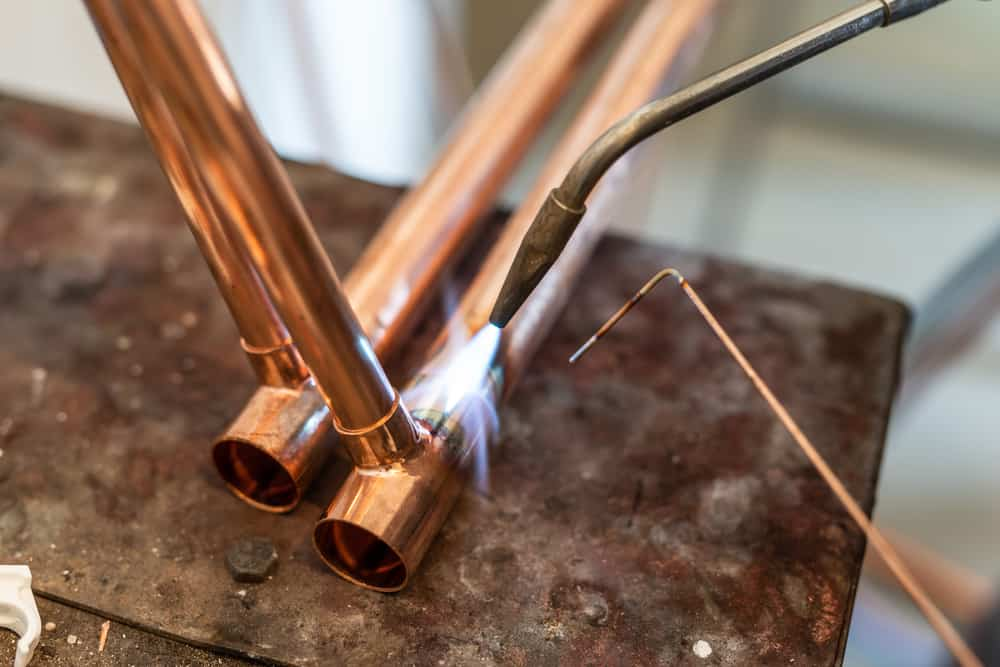
Copper solder is a type of solder specifically designed for joining copper and copper alloy components together. Soldering is a process of joining two or more metal parts by melting a filler metal, known as solder, and allowing it to flow into the joint between the parts. The solder then solidifies, creating a strong and permanent bond.
Copper solder typically consists of a mixture of copper and other metals, such as tin or silver, which have lower melting points than copper. The addition of these metals helps to lower the melting temperature of the solder, allowing it to flow and bond with the copper surfaces without melting the base metal.
The choice of copper solder depends on the specific application and the desired strength and conductivity of the joint. Different types of copper solder may have varying compositions and melting points to suit different requirements. For example, silver solder, which contains a higher percentage of silver, is often used for applications where high strength and conductivity are crucial, such as in electrical or plumbing connections.
Copper solder is commonly used in various industries, including electronics, plumbing, HVAC (heating, ventilation, and air conditioning), and metalwork. It provides a reliable and efficient method for joining copper components, allowing for the creation of strong and durable connections.
How to Use Copper Solder
Copper solder is a type of solder specifically designed for joining copper pipes, fittings, and other copper components. It is commonly used in plumbing and HVAC (heating, ventilation, and air conditioning) applications. Here is a step-by-step guide on how to use copper solder:
Note: Soldering involves the use of a torch and can be potentially dangerous if not done correctly. It is recommended to follow safety precautions, such as wearing protective goggles and gloves, working in a well-ventilated area, and having a fire extinguisher nearby.
Materials you will need:
1. Copper pipes or fittings to be joined
2. Copper solder (typically in the form of a wire or a reel)
3. Flux (a chemical compound used to clean and prepare the copper surfaces for soldering)
4. Torch (a propane or butane torch with a flame control mechanism)
5. Flux brush or applicator
6. Emery cloth or sandpaper (to clean the copper surfaces)
7. Pipe cutter or hacksaw (if necessary to cut or prepare the pipes)
Step-by-step process:
1. Prepare the copper surfaces: Clean the surfaces of the copper pipes and fittings that will be soldered together. Use emery cloth or sandpaper to remove any dirt, oxidation, or debris. The surfaces need to be clean and shiny for proper solder adhesion.
2. Apply flux: Apply a thin, even layer of flux to the cleaned copper surfaces. Flux helps remove oxidation and promotes solder flow. Use a flux brush or applicator to apply the flux. Be sure to cover all the areas that will come into contact with solder.
3. Assemble the pipes and fittings: Fit the copper pipes and fittings together in the desired configuration. Ensure that the joints are aligned correctly and tightly fitted.
4. Heat the joint: Use the torch to heat the joint where the pipes and fittings meet. Move the flame around the joint, applying heat evenly to the entire circumference. The goal is to heat the joint evenly until it reaches the proper temperature for soldering.
5. Apply solder: Once the joint is heated, touch the end of the solder wire to the joint. If the joint is hot enough, the solder will melt and flow into the joint by capillary action. Apply the solder all around the joint, allowing it to fill the gap completely.
6. Remove the heat and let it cool: Once the joint is filled with solder, remove the heat from the joint. Allow the joint to cool and solidify. Avoid moving or disturbing the joint while it is cooling to ensure a strong, leak-free connection.
7. Clean the joint (optional): After the joint has cooled, you can clean off any excess flux or solder residue using a clean cloth or a brush.
It's important to note that soldering copper requires practice and skill to achieve reliable and leak-free connections. If you are new to soldering or unsure about the process, it is recommended to seek guidance from a professional or consult instructional resources specific to your soldering project.
Different Types Of Copper Solder
Copper solder refers to the filler material used to join copper or copper alloy components together through the process of soldering. There are different types of copper solder available, each with its own characteristics and applications. Here are some common types of copper solder:
1. Lead-Free Copper Solder: As the name suggests, lead-free copper solder does not contain lead, making it a safer alternative to traditional lead-based solders. Lead-free solder typically consists of a combination of tin, copper, and other elements. It is commonly used in plumbing applications, electrical work, and electronics assembly.
2. Phosphorus-Copper Solder: Phosphorus-copper solder is a type of solder that contains phosphorus as an alloying element. It is often used for brazing or soldering copper pipes in plumbing systems. Phosphorus-copper solder has a lower melting point compared to other types of solder, making it suitable for joining copper components without causing significant damage to the base metal.
3. Silver-Copper Solder: Silver-copper solder is a solder alloy that contains a significant amount of silver. It offers excellent conductivity and is commonly used in electrical and electronic applications where a high-quality joint is required. Silver-copper solder has a higher melting point than other solders, making it suitable for applications that require higher temperature resistance.
4. Copper-Phosphorus-Silver Solder: This type of solder is a combination of copper, phosphorus, and silver. It offers a balance of properties, including good electrical conductivity, high joint strength, and resistance to corrosion. Copper-phosphorus-silver solder is commonly used in applications such as HVAC systems, refrigeration, and heat exchangers.
5. Tin-Copper Solder: Tin-copper solder is a solder alloy that contains tin as the primary component along with copper. It is commonly used for soldering copper plumbing pipes, electrical connections, and general-purpose soldering applications. Tin-copper solder has a lower melting point compared to silver-based solders, making it easier to work with.
When selecting a copper solder, it's important to consider the specific requirements of your application, such as the desired joint strength, electrical conductivity, and melting point. Additionally, it's crucial to follow the manufacturer's instructions and ensure compatibility between the solder and the base metals being joined.
QA:
1. What is the best type of copper solder for plumbing?
Answer: The best type of copper solder for plumbing is lead-free solder because it is safe, eco-friendly, and reliable.
2. What are the safety tips when using copper solder?
Answer: Safety tips when using copper solder include wearing eye protection, keeping the workspace well ventilated, and never leaving a hot soldering iron unattended.
3. What are some common mistakes to avoid when using copper solder?
Answer: Common mistakes to avoid when using copper solder include not cleaning the pipes correctly and using too much or too little flux.
 Buy NowSee More: Wholesale Products
