
Which One to Choose? HUAWEI, OPPO or Apple
Upload time :September 8, 2023
Shares
Reads
In today's rapidly evolving world of technology, choosing the right flagship smartphone can be a daunting task. With a plethora of options available, it's crucial to carefully analyze and compare the strengths and weaknesses of each brand's top-tier offerings. In this analysis, we will delve into the Huawei, Apple, and Oppo flagship products, exploring their distinctive features, performance, and design elements. By examining both the horizontal and vertical aspects, we aim to provide you with a comprehensive understanding of these brands' flagship smartphones. So, let's dive in and unravel the intricacies of Huawei, Apple, and Oppo's finest devices.
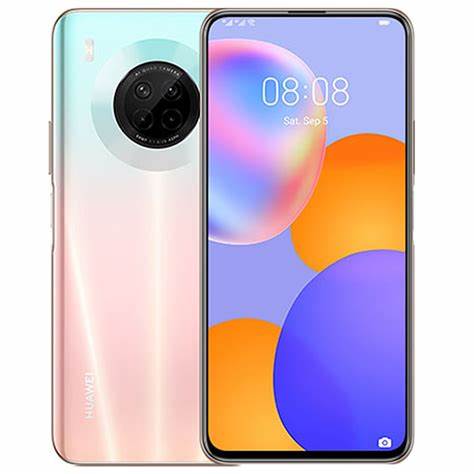
Horizontal Comparison
1. Design:
Huawei: Huawei flagship phones often feature sleek and modern designs with premium materials, such as glass and metal. They focus on creating visually appealing devices.
Apple: Apple is known for its minimalist and elegant design approach. Their flagship iPhones have a distinct and recognizable aesthetic, with attention to detail and high-quality craftsmanship.
Oppo: Oppo flagship phones often prioritize aesthetics and innovation. They incorporate unique design elements, such as curved displays or gradient finishes, to stand out.
2. Performance:
Huawei: Huawei's flagship phones are equipped with powerful processors and ample RAM, providing smooth and efficient performance. They also offer advanced AI capabilities for enhanced user experience.
Apple: Apple's iPhones are renowned for their optimized hardware and software integration. They consistently deliver excellent performance, thanks to Apple's custom-designed A-series chips and iOS optimization.
Oppo: Oppo flagship phones feature powerful processors and sufficient RAM to handle demanding tasks. They also focus on optimizing their software to deliver a smooth user experience.
3. Camera:
Huawei: Huawei flagship phones are known for their exceptional camera systems. They often feature Leica-branded lenses, advanced sensors, and innovative camera technologies, resulting in impressive photography capabilities.
Apple: Apple's iPhone cameras consistently deliver high-quality images and videos. They excel in computational photography, offering features like Night Mode and Deep Fusion for improved low-light and detail capture.
Oppo: Oppo flagship phones emphasize camera innovation. They incorporate advanced camera hardware, such as high-resolution sensors and periscope zoom lenses, to provide versatile photography options.
Vertical Comparison
1. Huawei:
Pros: Huawei flagship phones often offer cutting-edge technology, including powerful processors, impressive camera systems, and advanced AI capabilities. They also provide long-lasting battery life and support fast charging. However, recent models may lack access to Google Mobile Services due to trade restrictions.
Cons: The absence of Google Mobile Services can limit access to popular apps and services for some users. Additionally, software updates may be delayed outside of China due to trade restrictions.
2. Apple:
Pros: Apple's flagship iPhones offer a seamless ecosystem with excellent hardware and software integration. They provide regular software updates, strong privacy features, and a vast selection of high-quality apps. Apple's customer support is also highly regarded.
Cons: iPhones tend to have a premium price tag compared to some competitors. Customization options may be limited, and some users may prefer more open-source platforms.
3. Oppo:
Pros: Oppo flagship phones often excel in design, offering unique aesthetics and innovative features. They provide solid performance, impressive camera capabilities, and fast charging technologies. Oppo also offers competitive pricing compared to some other flagship brands.
Cons: Oppo's software, while improved in recent years, may still have some room for refinement. Availability and support for software updates may vary depending on the region.
Other Points to Consider
In addition to the design, performance, and camera capabilities discussed earlier, there are several other aspects worth considering when comparing Huawei, Apple, and Oppo flagship products.
1. Display:
Huawei: Huawei flagship phones often feature vibrant and high-resolution displays with slim bezels. Some models offer curved or waterfall displays for an immersive viewing experience.
Apple: Apple's iPhones come with high-quality Retina displays that offer excellent color accuracy and brightness. They also incorporate technologies like True Tone and HDR for enhanced visuals.
Oppo: Oppo flagship phones offer a range of display options, including AMOLED panels with vibrant colors and deep blacks. Some models feature high refresh rates for smoother scrolling and gaming.
2. Software and User Interface:
Huawei: Huawei flagship phones use EMUI or HarmonyOS as their operating system. EMUI offers a feature-rich interface with a high level of customization, while HarmonyOS brings improved cross-device integration and performance.
Apple: iPhones run on iOS, which is known for its intuitive and user-friendly interface. iOS provides a seamless ecosystem with seamless integration between Apple devices.
Oppo: Oppo flagship phones use ColorOS as their user interface. ColorOS has evolved over the years, offering a clean and customizable interface with several useful features and optimizations.
3. Battery Life:
Huawei: Huawei flagship phones often come with large battery capacities, allowing for extended usage. They also offer power-saving features and fast charging technologies like SuperCharge or Huawei's proprietary charging solutions.
Apple: iPhones generally have efficient power management, providing all-day battery life for most users. They also support fast charging and wireless charging options.
Oppo: Oppo flagship phones incorporate sizable batteries and energy-efficient optimizations to deliver good battery life. They also offer fast charging technologies like SuperVOOC or VOOC Flash Charge.
4. Additional Features:
Huawei: Huawei flagship phones may include features like in-display fingerprint sensors, facial recognition, expandable storage, and IP68 water and dust resistance in some models.
Apple: iPhones often come with features like Face ID facial recognition, secure enclave for enhanced security, Animoji/ Memoji, and compatibility with Apple's ecosystem of devices and services.
Oppo: Oppo flagship phones may offer features like in-display fingerprint sensors, pop-up or under-display front cameras for full-screen displays, and various AI-enhanced software features.
Huawei, Apple, and Oppo flagship products each bring their unique strengths and weaknesses to the table. Huawei excels in cutting-edge technology and camera capabilities, Apple offers a seamless ecosystem and optimized hardware-software integration, while Oppo focuses on design innovation and competitive pricing. Ultimately, the choice depends on individual preferences, priorities, and the specific features that align with your needs.
Smart Watch
Huawei Smartwatches:
Pros:
1. Wide range of models: Huawei offers a diverse lineup of smartwatches, catering to different preferences and budgets.
2. Long battery life: Huawei smartwatches are known for their impressive battery life, allowing for extended usage between charges.
3. Extensive fitness tracking: Huawei smartwatches come equipped with comprehensive fitness tracking features, including heart rate monitoring, sleep tracking, and workout tracking.
4. Stylish design: Huawei smartwatches often feature sleek and stylish designs, making them suitable for both casual and formal occasions.
Cons:
1. Limited app ecosystem: Huawei's smartwatches use the Huawei Lite OS, which has a more limited selection of third-party apps compared to other platforms.
2. Compatibility limitations: Huawei smartwatches primarily work best with Huawei smartphones, and some features may be restricted when used with non-Huawei devices.
3. Less integration with third-party services: Huawei's smartwatches may have limited integration with popular third-party services and platforms.
Apple Smartwatches:
Pros:
1. Seamless integration with iOS ecosystem: Apple smartwatches offer excellent integration with iPhones and other Apple devices, allowing for seamless syncing and access to various Apple services.
2. Extensive app support: Apple's watchOS has a vast selection of apps, providing users with a wide range of functionalities and customization options.
3. Advanced health and fitness features: Apple smartwatches include features like ECG monitoring, fall detection, and advanced workout tracking, making them suitable for fitness enthusiasts and health-conscious individuals.
4. Regular software updates: Apple consistently provides software updates for their smartwatches, ensuring users have access to the latest features and improvements.
Cons:
1. Limited compatibility with non-Apple devices: Apple smartwatches are primarily designed to work with iPhones, limiting their functionality when paired with non-Apple smartphones.
2. Higher price range: Apple smartwatches tend to be more expensive compared to other brands, making them less accessible for budget-conscious consumers.
3. Reliance on iPhone for setup and configuration: Initial setup and configuration of Apple smartwatches require an iPhone, which may be inconvenient for users without an iPhone.
Oppo Smartwatches:
Pros:
1. Affordable options: Oppo offers smartwatches at competitive prices, making them more accessible to a wider range of consumers.
2. Stylish design: Oppo smartwatches often feature sleek and attractive designs, blending fashion and technology.
3. Comprehensive fitness tracking: Oppo smartwatches come with a variety of fitness tracking features, including heart rate monitoring, sleep tracking, and workout modes.
4. Good battery life: Oppo smartwatches typically offer decent battery life, allowing users to use them for extended periods without frequent charging.
Cons:
1. Limited app ecosystem: Oppo's smartwatches may have a more limited selection of third-party apps compared to other platforms, which can restrict customization options.
2. Limited availability: Oppo smartwatches may have limited availability in certain regions, making it challenging for some consumers to purchase them.
3. Less integration with non-Oppo devices: Oppo smartwatches may have limited compatibility and integration with non-Oppo smartphones and devices, reducing their functionality when used with other brands.
It's important to consider these pros and cons while keeping in mind your specific needs, preferences, and the compatibility with your existing devices when choosing a smartwatch from Huawei, Apple, or Oppo.
Huawei flagship phones stand out with their cutting-edge technology, powerful processors, and exceptional camera systems. However, the absence of Google Mobile Services can be a drawback for some users.
Apple's flagship iPhones offer a seamless ecosystem, strong privacy features, and regular software updates. They are known for their optimized hardware and software integration, but they come with a higher price tag.
Oppo flagship phones prioritize design, innovation, and camera capabilities. They offer competitive pricing and fast charging technologies, but software refinement and availability of updates can vary.
Ultimately, the choice between Huawei, Apple, and Oppo flagship products depends on individual preferences regarding design, ecosystem, camera capabilities, software features, and pricing. It's important to consider these factors and prioritize what matters most to you as a user.
 Buy NowSee More: Wholesale Products
