
What are the best headlights for cars?
Upload time :December 27, 2023
Shares
Reads
When it comes to choosing the best headlights for your car, there are several options available. LED lights are a popular choice as they offer better visibility and consume less power than traditional halogen bulbs. Xenon lights, on the other hand, have a longer lifespan and provide brighter illumination. However, they can be more expensive than other options.
Halogen lights are an affordable option and widely used in most cars today, but they are less efficient compared to LED and Xenon lights. If you're looking for a headlight that adjusts to driving conditions, adaptive headlights are a great choice. They automatically adjust to curves, hills, and other obstacles on the road.
Regardless of the type of headlights you choose for your car, proper maintenance is crucial to ensure their optimal performance. Regular cleaning and replacement of damaged bulbs can help extend the lifespan of your headlights and provide better illumination while driving. Ultimately, the best headlights for your car depend on your specific needs and budget.
1. LED lights offer better visibility.
Types of Headlights
Halogen Headlights
Halogen headlights are the most traditional type of headlights found in cars. They use a filament that heats up when electricity runs through it, causing it to glow and emit light. Halogen headlights are relatively inexpensive and easy to replace, but they aren't as bright as other options and tend to have a shorter lifespan.
HID Headlights
High-Intensity Discharge (HID) headlights, also known as Xenon headlights, are brighter than halogen headlights and have a longer lifespan. They work by ionizing gas between two electrodes, creating a bright arc of light. HID headlights are more expensive than halogen headlights but provide better visibility.
LED Headlights
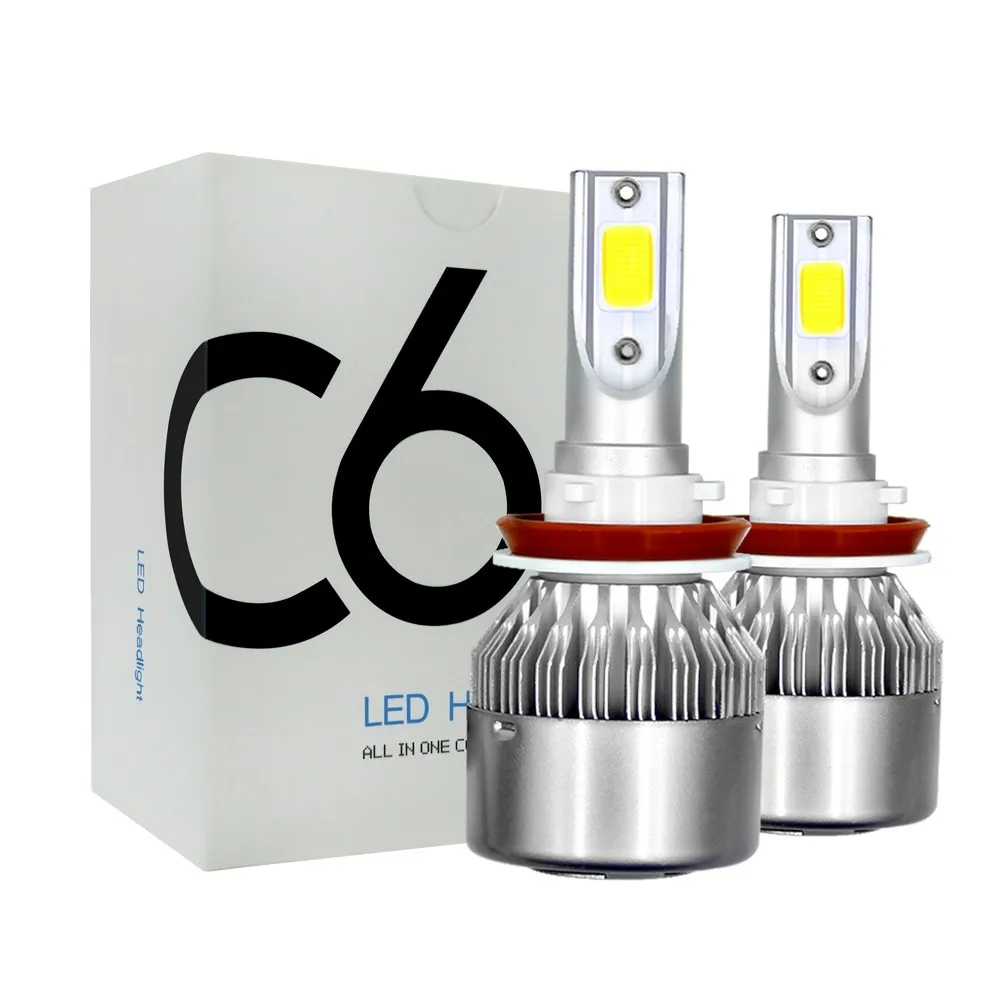
Light Emitting Diode (LED) headlights are the newest technology in automotive lighting. They produce a bright, white light and are energy-efficient, making them an eco-friendly option. LED headlights also have a longer lifespan than halogen or HID headlights and are less likely to burn out. Additionally, LED headlights are more customizable, with different styles and colors available.
Why LED Lights Offer Better Visibility
There are several reasons why LED lights offer better visibility compared to other types of headlights:
Brightness
LED headlights are significantly brighter than halogen headlights, providing better visibility on the road ahead. They produce a more natural-looking light, which can reduce eye strain, making it easier to see the road.
Color Temperature
The color temperature of LED lights is closer to natural daylight than halogen or HID headlights. The cooler color temperature provides better contrast and depth perception, allowing drivers to see the road more clearly.
Energy Efficiency
LED headlights consume less energy than other types of headlights, making them more energy-efficient and eco-friendly. This means that they won't drain your car battery as quickly, saving you money on fuel and reducing your carbon footprint.
Longer Lifespan
LED headlights have a much longer lifespan than halogen or HID headlights, reducing the need for frequent replacements. This also saves you money on maintenance costs over time.
Customizability
LED headlights come in a variety of styles and colors, giving drivers the ability to customize their car's look. This means you can find a style that suits your personality and preferences while still enjoying the benefits of LED technology.
Conclusion
2. Xenon lights have a longer lifespan.
1. Halogen Lights
Halogen lights are the most common type of headlights found in cars today. They’re inexpensive to produce, easy to install, and provide decent illumination. However, compared to other types of headlights, halogens have a relatively short lifespan and tend to be less energy-efficient. Additionally, their yellowish hue can make it harder to see in certain weather conditions.
2. Xenon Lights
Xenon lights, also known as high-intensity discharge (HID) lights, are becoming increasingly popular among car owners. These headlights use a bulb filled with xenon gas and an electrical charge to produce a bright, white light that closely mimics daylight. Xenon lights are more energy-efficient than halogen lights and have a longer lifespan, making them a cost-effective option in the long run.
3. LED Lights
LED lights, like those found in newer model cars, are another popular choice among drivers. These headlights use light-emitting diodes (LEDs) to create a bright, crisp light that’s even more energy-efficient than xenon lights. Plus, since LEDs don’t produce heat like other types of bulbs, they last longer and require less maintenance.
So, which type of headlight is the best? It really depends on your personal preferences and budget. If you’re looking for a low-cost option that provides adequate illumination, halogen lights may be the way to go. However, if you want a brighter, more efficient light that will save you money in the long run, xenon or LED lights might be a better choice.
One thing to keep in mind when shopping for new headlights is that not all cars are compatible with every type of bulb. Be sure to check your vehicle’s owner manual or consult with a mechanic before making any upgrades to your headlights.
It’s also important to note that while upgrading your headlights can improve your visibility and safety while driving, it’s not a substitute for safe driving habits. Always wear your seatbelt, obey traffic laws, and stay alert behind the wheel.
3. Halogen lights are affordable but less efficient.
One type of headlight commonly found in cars today is halogen lights. These headlights have been around for decades and are known for their affordability and ease of installation. However, they are also less efficient than other types of headlights, making them a less popular option among car enthusiasts.
In this article, we will discuss the benefits and drawbacks of halogen headlights, as well as some alternative options you might want to consider.
What Are Halogen Headlights?
Halogen headlights use a tungsten filament encased in a bulb filled with halogen gas. When electricity passes through the filament, it heats up and produces light. The halogen gas helps to keep the filament from burning out too quickly, providing a longer lifespan for the bulb.
One of the main benefits of halogen headlights is their affordability. They are typically the cheapest type of headlight to purchase and are widely available at auto parts stores and online retailers.
Additionally, halogen headlights are relatively easy to install, making them a popular choice among DIY car enthusiasts. They don't require any special tools or knowledge, and most people can replace them in just a few minutes.
However, despite their low price and ease of installation, halogen headlights have some significant drawbacks that you should be aware of before choosing them for your car.
Disadvantages of Halogen Headlights
One of the primary disadvantages of halogen headlights is their efficiency. They produce a lot of heat, which can cause the bulbs to burn out more quickly than other types of headlights. Additionally, they are not very energy-efficient, meaning they draw more power from your car's battery than necessary.
Another downside of halogen headlights is their brightness. While they do provide enough light to see the road ahead, they are not as bright as some other options on the market. This can make it more difficult to see in dark or foggy conditions, potentially compromising your safety on the road.
Alternatives to Halogen Headlights
If you're looking for an alternative to halogen headlights, there are a few options you might want to consider.
1. LED Headlights
LED headlights are becoming increasingly popular among car enthusiasts due to their energy efficiency and bright, long-lasting light. They are more expensive than halogen headlights but provide better visibility and a longer lifespan.
Additionally, LED headlights produce less heat than halogen headlights, reducing the risk of burning out or damaging your car's wiring. They also come in a variety of colors, allowing you to customize the look of your car's headlights.
2. HID Xenon Headlights
HID xenon headlights use a high-intensity discharge (HID) lamp that produces a bright, white light. They are more efficient than halogen headlights and provide better visibility in dark or foggy conditions.
However, HID xenon headlights are more expensive than halogen headlights and require a ballast to operate correctly. They can also be challenging to install and may require professional assistance.
3. Adaptive Headlights
Adaptive headlights are a new technology that adjusts the direction and intensity of your car's headlights based on your driving conditions. For example, if you're driving around a curve, adaptive headlights will adjust to illuminate the road ahead, ensuring that you can see where you're going.
These headlights are more expensive than halogen headlights but provide better visibility and safety on the road. They are particularly useful for driving in rural or mountainous areas where the road conditions may change frequently.
Conclusion
Halogen headlights are a popular option among car owners due to their affordability and ease of installation. However, they are less efficient than other types of headlights and may compromise your safety on the road.
4. Adaptive headlights adjust to driving conditions.
1. Halogen Headlights
Halogen headlights are the most common type of headlights found in cars today. They use a halogen bulb that emits a bright white light when an electric current passes through it. Halogen headlights are relatively cheap and easy to replace, making them a popular choice among car manufacturers. However, they have some drawbacks, including a shorter lifespan than other types of headlights and a tendency to produce glare, which can be dangerous for other drivers.
2. HID Headlights
HID headlights, also known as xenon headlights, use a high-intensity discharge lamp to emit a bright white light. They are more energy-efficient than halogen headlights and have a longer lifespan. They also produce less heat, making them safer than halogen headlights. However, HID headlights are more expensive to replace than halogen headlights, and they require a ballast to regulate the electrical current, which adds to their cost.
3. LED Headlights
LED headlights use light-emitting diodes to produce a bright, white light. They are more energy-efficient than both halogen and HID headlights, and they have a longer lifespan than both. They also produce less heat, making them safer than halogen headlights. LED headlights are becoming increasingly popular in modern cars, and many car manufacturers are starting to offer them as standard or optional features.
4. Adaptive Headlights
Adaptive headlights are the newest and most advanced type of headlights available today. They use sensors to detect the speed and direction of the car and adjust the beam pattern accordingly, providing optimal visibility in all driving conditions. For example, if the car is turning, the adaptive headlights will adjust the beam pattern to illuminate the area where the car is turning. This helps drivers to see the road ahead more clearly and reduces the risk of accidents.
Adaptive headlights are particularly useful in low-light conditions, such as at night or in foggy weather. They can also help to reduce the glare from oncoming headlights, making it easier for drivers to see the road ahead. Some adaptive headlights also include features like automatic high beams, which turn on and off depending on the presence of other cars on the road.
5. Proper maintenance improves headlight performance.
1. Brightness
Brightness is one of the most significant factors to consider when it comes to choosing the best headlights for your car. The most common type of lights used in cars is halogen bulbs. However, there are other alternatives such as LED, HID, and laser headlights. LED headlights are brighter compared to halogen bulbs, while HID headlights produce a more intense light beam. Laser headlights are the newest technology and offer the brightest light beam among all headlight types. When choosing the headlights, it's important to remember that brighter doesn't always mean better. Headlights that are too bright can cause glare, which is dangerous to other drivers on the road.
2. Beam Pattern
A headlight's beam pattern determines how well a driver can see the road ahead. A good beam pattern should have a clear cut-off line that separates the high and low beams. Halogen headlights produce a softer beam pattern compared to LED or HID headlights. LED and HID headlights have more focused beams that illuminate further down the road, making them ideal for long-distance driving. Also, ensure that the headlights have proper alignment and are angled correctly to avoid blinding other drivers.
3. Energy Efficiency
Energy efficiency is an essential factor to consider when choosing the best headlights for your car. LED and HID headlights are more energy-efficient compared to halogen headlights. LED headlights use less power than halogen bulbs, and they have a longer lifespan. HID headlights use xenon gas instead of a filament, reducing the amount of power needed to produce light. As a result, these headlights use less fuel, which is not only cost-effective but also environmentally friendly.
4. Durability
Headlights undergo constant wear and tear, especially if you drive frequently at night. Thus, choosing a durable headlight is important. LED and HID headlights are more durable compared to halogen bulbs. Unlike halogen bulbs, LED and HID headlights don't have filaments that can burn out quickly. LED headlights can withstand vibrations, shock, and extreme temperatures, making them ideal for off-road driving. HID headlights are also durable and can last up to ten times longer than halogen bulbs.
5. Proper Maintenance Improves Headlight Performance
Proper maintenance is crucial when it comes to ensuring that your headlights perform their best. Regular cleaning of the lenses removes dirt, debris, and insects that may block the light. It's also important to check the bulbs regularly and replace them when necessary. Over time, the lenses may become cloudy or yellowed due to exposure to UV rays. This reduces the effectiveness of the headlights, making it harder to see at night. You can restore cloudy or yellowed lenses using a headlight restoration kit. Also, ensure that the headlights are properly aligned and angled to improve visibility and avoid blinding other drivers.
In conclusion, choosing the best headlights for your car depends on various factors such as brightness, beam pattern, energy efficiency, and durability. LED and HID headlights are the best options for those looking for brighter, more energy-efficient, and durable headlights. Proper maintenance is also crucial in ensuring that the headlights perform their best. With the right headlights and proper maintenance, you'll have better visibility at night, making your driving experience safer and enjoyable.
Buy Now
See More: Wholesale Products
Recommended related content
What are the best heels for work?
What are the best lights for DJ gigs?
