
What is Cloisonné Jewelry and How to Care for It?
Upload time :September 27, 2023
Shares
Reads
Cloisonné jewelry is a type of metalwork that has been used for centuries to create stunning pieces of art. In essence, it is a technique that involves creating intricate designs using metal wires that are bent into specific shapes and then filled with colored enamel. The result is a piece of jewelry that is both beautiful and durable. If you own cloisonné jewelry, it's important to take care of it properly. This means avoiding exposure to harsh chemicals, keeping it dry, and storing it in a cool, dry place when not in use. You should also avoid wearing your jewelry while swimming or exercising to prevent damage. Cloisonné jewelry has a long history and cultural significance, and is still appreciated today for its beauty and craftsmanship. Whether you're a collector or simply a lover of beautiful jewelry, taking proper care of your cloisonné pieces will help ensure that they remain stunning for years to come.See More: Exploring the History and Significance of Jewelry Stamp 925"
1. Cloisonné jewelry definition.
Cloisonné is a type of enamelwork that involves the use of thin wire or strips of metal to create partitions, or cloisons, that are then filled with enamel. The finished product has a distinct look and feel that makes it stand out from other types of jewelry.
In this article, we will be exploring the definition of cloisonné jewelry, its history, and how to care for it properly to ensure its longevity.
Cloisonné Jewelry Definition
Cloisonné jewelry refers to any piece of jewelry that has been created using the cloisonné technique. This includes earrings, necklaces, bracelets, and brooches that have been made using the process.See More: 5 Reasons Why Cord Bracelets are the Perfect Accessory
The cloisonné technique involves creating partitions within the piece of metal that will serve as the base for the enamel. Once the partitions are in place, enamel is added to fill each section, and the piece is fired in a kiln to set the enamel in place.
The result is a colorful, intricate piece of jewelry that has a unique texture and appearance.
History of Cloisonné Jewelry
Cloisonné jewelry has a long and rich history that dates back to ancient times. The technique originated in the Eastern Mediterranean region over 2,000 years ago and spread to China along the Silk Road.
In China, the cloisonné technique became highly refined and was used to create elaborate pieces of jewelry, vases, and other decorative objects. During the Ming dynasty (1368-1644), cloisonné was considered a luxury item and was often given as gifts to officials and dignitaries.
Cloisonné also became popular in Japan during the Meiji period (1868-1912) when the country opened up to foreign trade. Japanese artisans began incorporating Western styles into their cloisonné work, resulting in a unique blend of techniques and designs.
Today, cloisonné jewelry remains popular around the world and is often sought after by collectors and enthusiasts.
Caring for Cloisonné Jewelry
Like any piece of jewelry, cloisonné requires proper care to maintain its beauty and integrity. Here are some tips on how to care for your cloisonné jewelry:
1. Store it properly
When not wearing your cloisonné jewelry, store it in a cool, dry place away from direct sunlight. Avoid storing it in damp areas like the bathroom, as moisture can damage the enamel.
To prevent scratching, wrap your cloisonné jewelry in a soft cloth or pouch before storing it.
2. Handle with care
Cloisonné jewelry is delicate and should be handled with care. Avoid dropping it or knocking it against hard surfaces, as this can cause the enamel to crack or chip.
When putting on or taking off your cloisonné jewelry, be gentle and avoid pulling or tugging on the metal wires.
3. Clean it regularly
To keep your cloisonné jewelry looking its best, clean it regularly with a soft, damp cloth. Avoid using harsh chemicals or abrasive cleaners that could damage the enamel.
If your cloisonné jewelry is particularly dirty, you can soak it in warm water with a mild soap solution for a few minutes before gently wiping it clean.
4. Avoid exposure to extreme temperatures
Extreme heat or cold can cause the enamel on your cloisonné jewelry to crack or discolor. Avoid exposing your jewelry to high temperatures, such as near a radiator or in direct sunlight.
Similarly, don't store your cloisonné jewelry in extremely cold environments, such as a freezer or refrigerator.
Conclusion
2. Care and maintenance tips.
What is Cloisonné Jewelry?
Cloisonné jewelry is a type of enamelwork that involves filling in compartments (cloisons) created by thin wires with layers of enamel. The wires are often made of gold, silver, or copper and are bent into shapes to create the design. The enamel used in cloisonné jewelry is a powdered glass that is mixed with pigment and water to create a paste. This paste is then applied in layers to fill in the cloison compartments. After each layer is applied, the piece is fired in a kiln at high temperatures to fuse the enamel to the metal. This process is repeated until the desired thickness is achieved.
Cloisonné jewelry can be found in a variety of styles and designs, from traditional Chinese motifs to contemporary abstract patterns. Some pieces feature gemstones or other embellishments, while others rely solely on the beauty of the enamelwork. Because of its intricate detail and labor-intensive production, cloisonné jewelry can be quite expensive.
Care and Maintenance TipsSee More: What You Need to Know About Window Lock Maintenance and Repair
To keep your cloisonné jewelry looking its best, there are a few things to keep in mind:
1. Avoid exposure to moisture: Enamel is a delicate material that can be easily damaged by water or other liquids. To avoid tarnishing or discoloration, it's essential to keep your cloisonné jewelry dry. If your piece does get wet, be sure to dry it off immediately with a soft cloth.
2. Store carefully: When not wearing your cloisonné jewelry, store it in a dry, cool place away from direct sunlight. Avoid placing it near other jewelry that could scratch or damage the enamel.
3. Clean gently: Cleaning cloisonné jewelry requires a gentle touch. Use a soft, dry cloth to wipe away any dust or dirt that may have accumulated. If more thorough cleaning is needed, use a mild soap and water solution and a soft-bristled brush to gently scrub the surface. Be sure to rinse thoroughly and dry with a soft cloth.
4. Handle with care: Cloisonné jewelry is fragile and can be easily damaged if mishandled. Avoid dropping or knocking your pieces against hard surfaces. When putting on or taking off your jewelry, handle it with care to prevent bending or breaking the delicate wires.
5. Avoid chemicals: Enamel is sensitive to chemicals, so it's important to avoid exposing your cloisonné jewelry to harsh cleaners or solvents. This includes perfumes, hairspray, and other personal care products that contain chemicals.See More: "What Are the Best Mini Perfumes for Traveling?" - A Guide to Fragrance on the Go
3. Long history and cultural significance.
One of the reasons that cloisonné jewelry is so highly valued is because of its long history and cultural significance. In ancient times, cloisonné was often used to decorate religious objects, such as icons or chalices. The vibrant colors and intricate designs were thought to represent the divine beauty of the heavens. Later, during the Ming Dynasty, cloisonné became more widely used in everyday items like vases and bowls. These pieces were often given as gifts to nobility or other important figures.
Cloisonné jewelry first appeared in China during the 13th century, although it did not become widespread until the Ming Dynasty. During this time, the use of cloisonné in jewelry design reached new heights, with artisans creating incredibly detailed pieces that were both intricate and beautiful. The process of creating cloisonné jewelry involves several steps, including shaping the metal, adding enamel, and firing the piece in a kiln. The result is a dazzling piece of jewelry that can be worn and admired for years to come.
In addition to its cultural significance, cloisonné jewelry is also valued for its durability and longevity. Unlike some other types of jewelry, which may fade or lose their luster over time, cloisonné pieces are designed to last for generations. With proper care and maintenance, you can ensure that your cloisonné jewelry remains in excellent condition for many years to come.
If you own a piece of cloisonné jewelry, there are several things you can do to care for it properly. First, avoid exposing your jewelry to harsh chemicals or abrasive materials, as these can damage the enamel and cause it to chip or crack. It is also important to store your jewelry in a cool, dry place where it will not be exposed to excessive heat or moisture. Finally, be sure to clean your jewelry regularly using a soft cloth and mild soap or detergent. This will help to remove any dirt or grime that may have accumulated on the surface of the enamel, keeping your jewelry looking shiny and new.See More: What is the Best Detergent for Removing Stains? A Comprehensive Guide
Overall, cloisonné jewelry is a beautiful and timeless art form that has been treasured for centuries. Whether you are a collector or simply appreciate the beauty of fine jewelry, cloisonné pieces are sure to delight and inspire. By taking good care of your jewelry and treating it with respect, you can ensure that your cloisonné pieces remain in pristine condition for years to come.
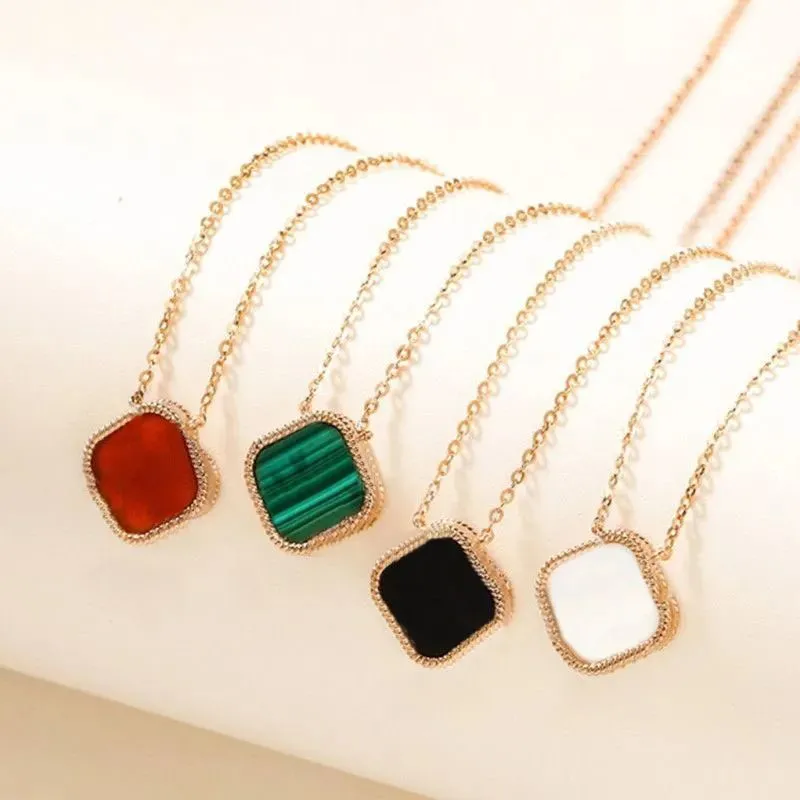
Buy Now
See More: Wholesale Products
Recommended related content
What is a hooded shirt and how to style it?
What is Oil Dry and How Does it Work? A Comprehensive Guide
What Are Heart Sunglasses and How to Wear Them in Style?
What are Enameled Earrings and How to Style Them?
What are the different types of pearls jewels and how to style them?
