
DIY Teething Remedies: Homemade Teethers Toys for Infants
Upload time :December 4, 2023
Shares
Reads
Looking for a safe and eco-friendly teether toy for your little one? Look no further than natural materials! In this article, we'll explore the benefits of using materials like wood, cloth, and silicone to make homemade teethers. We'll even provide step-by-step instructions and pictures to help you create your own DIY teethers at home. But don't forget safety! We'll also emphasize the importance of ensuring that homemade teethers are safe for infants to use, and provide tips such as using non-toxic materials, proper sizing, and checking for choking hazards. Give your baby the best start with all-natural and homemade teethers.
Buy Now
See More: Wholesale Products
Natural materials for teethers toys
Teething can be a painful and challenging time for babies, and as parents, it is our responsibility to provide comfort and relief. One of the most popular ways to soothe teething discomfort is through the use of teethers toys. While there are numerous types of teethers available in the market, some parents prefer to make their own using natural materials. In this article, we will discuss different natural materials that can be used to make homemade teethers and the benefits of using these natural materials.
Wooden Teethers
One of the most common natural materials used for making teethers is wood. Wooden teethers are popular among parents because they are durable, easy to clean, and have a natural feel to them. The hardness of wood makes it perfect for soothing sore gums, and the texture of wood can help stimulate the baby's sense of touch. Wooden teethers are also eco-friendly as they are made from renewable resources and can be recycled.
Silicone Teethers
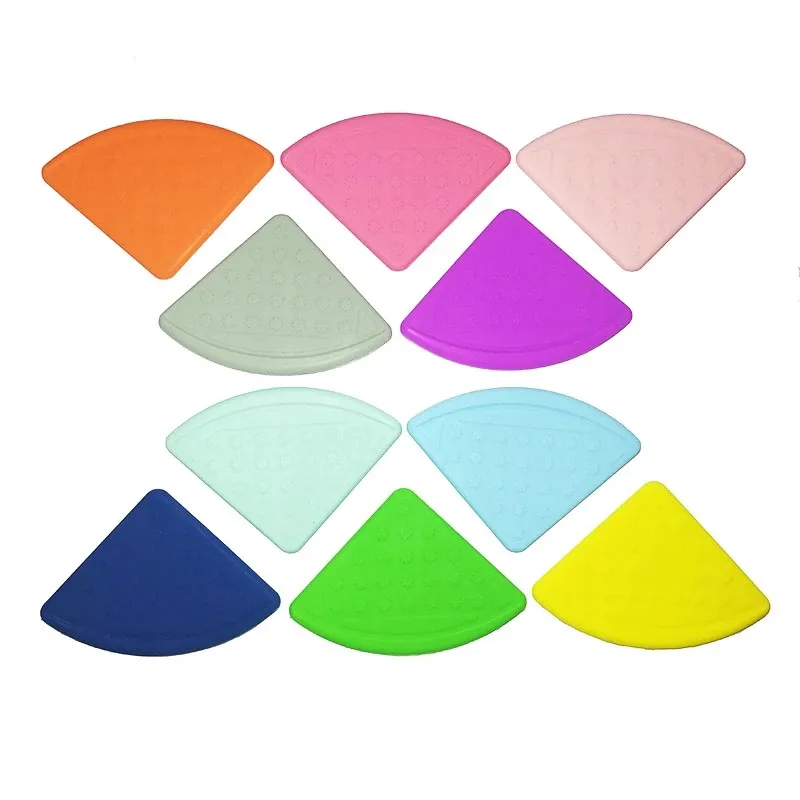
Another natural material for teethers is silicone. Silicone teethers are soft and pliable, making them ideal for comforting a teething baby. Silicone teethers are hypoallergenic and free from harmful chemicals such as BPA, phthalates, and PVC, making them safe for babies to chew on. They are also easy to clean and sterilize, which is essential when dealing with teething toys.
Cloth Teethers
Cloth teethers are another natural option for parents who want to make their own teethers toys. Cloth teethers are made from soft and absorbent materials such as cotton or bamboo, making them gentle on a baby's sensitive gums. These teethers come in various shapes and sizes, allowing the baby to explore different textures and surfaces. Cloth teethers are also washable and reusable, making them an eco-friendly alternative to plastic teethers.
Benefits of Using Natural Materials for Teethers
Using natural materials for teethers has numerous benefits. Firstly, they are safer than synthetic teethers as they do not contain any harmful chemicals. Secondly, natural teethers are more durable than plastic teethers, making them last longer and reducing the need to buy replacements. Finally, natural teethers are eco-friendly as they are made from renewable resources and can be recycled.
DIY Teethers Toy Ideas
Wooden Ring Teether:
This teether toy is simple and easy to make. You will need a wooden ring, organic cotton fabric, scissors, needle, and thread. Cut the fabric into a rectangular strip, and then fold it in half lengthwise. Sew along the edges to create a pocket. Insert the wooden ring inside the pocket, and sew the ends together. Voila! Your wooden ring teether is ready to use.
Fabric Teether:
For this teether toy, you will need two types of fabric- one for the front and one for the back, batting, a baby-safe teething ring, and a sewing machine. Cut your fabric into equal-sized squares and lay them on top of each other, with the batting between them. Sew along the edges, leaving a small gap to insert the teething ring. Once the ring is inserted, sew the gap closed. Your fabric teether is now ready to use.
Silicone Teether:
This teether toy requires a bit more effort, but it is worth it. You will need food-grade silicone beads, nylon cord, a safety clasp, and pliers. String the beads onto the nylon cord, making sure to alternate colors and sizes. Once you have reached your desired length, tie a knot at both ends of the cord. Use the pliers to attach the safety clasp to one end of the cord. And just like that, your silicone teether is ready.
Safety Tips for Homemade Teethers
One of the most important things to keep in mind when making homemade teethers is to use non-toxic materials. Babies love to put everything in their mouths, and their developing immune systems are more vulnerable to harmful chemicals found in some materials. Therefore, it's essential to choose materials that are safe for them to chew on. Some commonly used materials for homemade teethers include silicone beads, untreated wooden rings, and organic cotton fabrics.
Another safety tip to keep in mind is to ensure proper sizing. Teethers that are too small can pose a choking hazard, while those that are too big may not provide enough relief to your baby's sore gums. It's also essential to avoid any loose or dangling parts that could accidentally come off and become a choking hazard. When purchasing materials, make sure to choose items that are labeled as safe and appropriate for infant use.
It's also important to check for choking hazards regularly. As your baby chews on the teether, parts may loosen or wear down over time. Inspect the teether frequently for any signs of damage, and discard it immediately if there are any concerns. It's better to be safe than sorry when it comes to your baby's safety.
In addition to ensuring the safety of the teether itself, it's also important to maintain good hygiene. Clean the teether regularly with warm water and a mild soap, and let it dry completely before using it again. Avoid using harsh chemicals or putting the teether in the dishwasher, as this can damage some materials.
Finally, remember that homemade teethers are not a substitute for medical advice or treatment. If your baby is experiencing severe teething pain or other symptoms, consult with a healthcare professional to determine the best course of action.
In conclusion, making homemade teethers can be a fun and creative way to soothe your baby's teething woes. However, it's crucial to prioritize safety when making and using these toys. Always choose non-toxic materials, ensure proper sizing, check for choking hazards, maintain good hygiene, and seek medical advice when necessary. By following these safety tips, you can create homemade teethers that are both safe and effective for your little one.
FAQ
Q1. What materials can I use to make DIY teethers for my baby?
You can use a variety of safe and non-toxic materials to make homemade teethers for your baby, such as natural rubber, food-grade silicone, untreated wood, and soft fabrics like cotton or fleece. It's important to avoid using materials that could break or splinter, contain harmful chemicals, or pose a choking hazard.
Q2. How do I sterilize homemade teethers?
To keep your DIY teethers clean and hygienic, it's recommended to wash them regularly with warm water and mild soap, and let them air dry completely. You can also sanitize them by placing them in boiling water for a few minutes or using a steam sterilizer. Avoid using harsh cleaning agents or high heat that could damage the teether.
Q3. Are there any risks associated with DIY teething remedies?
While homemade teethers can be a safe and affordable option for soothing your teething baby, there are some risks to consider. If not made properly, DIY teethers may break, harbor bacteria, or contain unsafe materials. Additionally, some babies may have allergies or sensitivities to certain materials or flavors. Always supervise your baby while using a teether and discard any broken or damaged teethers.
Q4. Can DIY teethers help with teething pain?
Yes, homemade teethers can provide relief for teething babies by massaging their sore gums, distracting them from discomfort, and encouraging healthy chewing habits. You can customize your DIY teethers with different textures, shapes, and flavors to suit your baby's preferences. However, it's important to remember that teething is a natural and temporary phase that may require additional comfort measures, such as cold compresses, gentle massage, or over-the-counter pain relievers, as advised by your pediatrician.
Recommended related content
What are the Best Pink Bathing Suits for Women in 2021?
What Are the Best Ways to Decorate with a Rainbow Fan?
What Are the Best Twin Blankets for Cozy Night's Sleep?
