
The Ultimate Guide to Dental Veneers Pros, Cons, and Cost
Upload time :September 7, 2023
Shares
Reads
Summary: This blog explores everything you need to know about dental veneers, including their benefits and drawbacks, cost, and the procedure itself. We'll cover how veneers work, what types are available, and how to care for them.
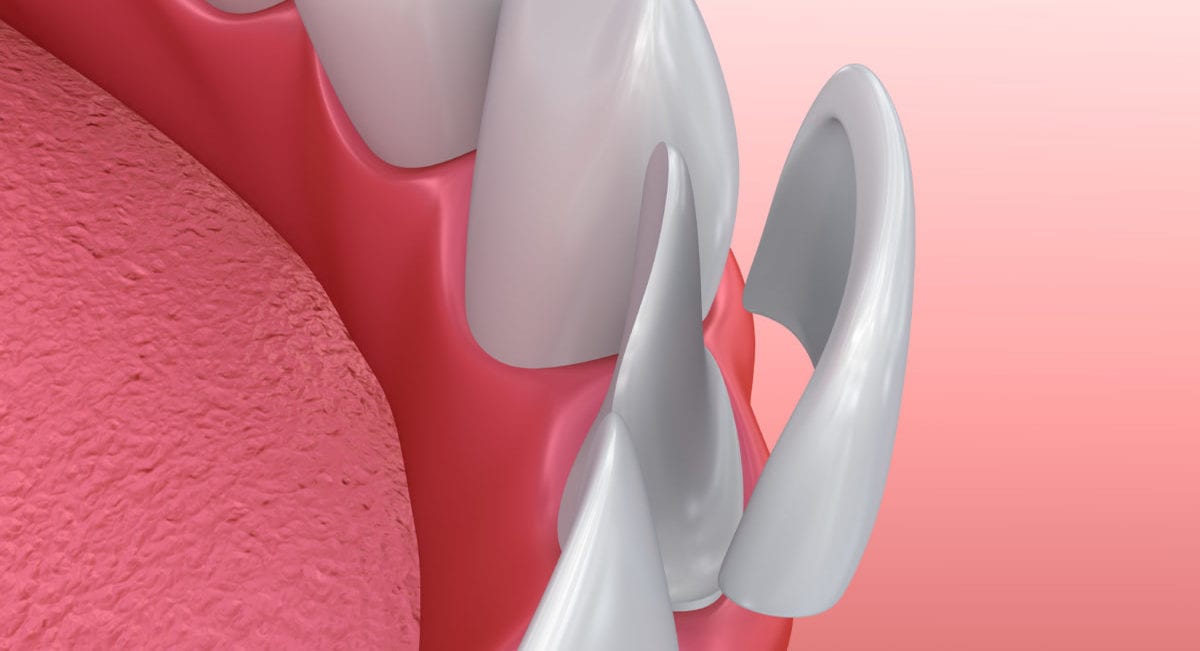
What Are Dental Veneers?
Dental veneers are thin, custom-made shells that are bonded to the front surface of teeth to improve their appearance. They are typically made from porcelain or composite resin materials and are designed to match the natural color and shape of the patient's teeth.
Veneers can be used to address a variety of cosmetic dental concerns, including stained or discolored teeth, chipped or cracked teeth, gaps between teeth, and misshapen or uneven teeth. They are a popular choice for individuals seeking to enhance their smile and achieve a more aesthetically pleasing look.
The process of getting dental veneers usually involves multiple visits to the dentist. During the initial consultation, the dentist will evaluate the patient's oral health and discuss their goals and expectations. They will then prepare the teeth by removing a thin layer of enamel to make room for the veneers. Dental impressions will be taken to create custom veneers that fit the patient's teeth perfectly.
Once the veneers are ready, the dentist will use a special adhesive to bond them to the teeth. They will ensure that the veneers are properly aligned and make any necessary adjustments for a comfortable fit. With proper care and regular dental visits, veneers can last for many years.
While veneers can provide excellent results for many patients, they may not be suitable for everyone. Individuals with significant tooth decay, gum disease, or weakened teeth may need to address these issues before considering veneers. Additionally, those who grind or clench their teeth may not be good candidates as the veneers could become damaged.
In cases where the dental issues are more structural, such as severe misalignment or bite problems, orthodontic treatments like braces may be a more appropriate option. It's essential to consult with a dentist to determine the best treatment plan for individual needs and goals.
In conclusion, dental veneers are thin, custom-made shells used to enhance the appearance of teeth. They can address various cosmetic concerns and provide a natural-looking, beautiful smile. However, they may not be suitable for everyone, and other treatments may be more appropriate depending on individual dental needs. Consulting with a dentist is crucial to determining the best course of action for achieving the desired results.
Pros and Cons of Dental Veneers
Dental veneers offer several benefits that make them a popular choice for individuals seeking to improve the appearance of their teeth. Some of the advantages of veneers include:
1. Enhanced appearance: Veneers can dramatically improve the color, shape, and alignment of teeth, resulting in a more attractive smile. They can cover up imperfections such as stains, chips, and gaps, giving patients a boost in confidence and self-esteem.
2. Natural-looking results: Veneers are designed to match the natural color and shape of the patient's teeth, providing a seamless and natural-looking result. Porcelain veneers, in particular, have a translucent quality that mimics the appearance of natural tooth enamel.
3. Durability: With proper care, veneers can last for many years, making them a long-lasting solution for cosmetic dental concerns. Porcelain veneers are known for their durability and resistance to staining, providing a reliable and attractive smile for an extended period.
However, there are also some potential downsides to consider when it comes to dental veneers:
1. Irreversible process: In order to place veneers, a small amount of enamel must be removed from the teeth. This is a permanent alteration and cannot be reversed. While this is generally a safe and conservative procedure, it does mean that the teeth will always require some form of restoration.
2. Sensitivity: Some patients may experience increased tooth sensitivity after getting veneers, especially in the days following the procedure. This sensitivity is typically temporary and can be managed with desensitizing toothpaste or other dental products.
3. Replacement over time: Although veneers are durable, they are not indestructible. They may chip or crack over time, requiring replacement. The lifespan of veneers can vary depending on factors such as oral hygiene practices, habits like teeth grinding, and the materials used.
It's important to note that not everyone is a suitable candidate for dental veneers. Individuals with significant tooth decay, gum disease, or weakened teeth may need to address these issues before considering veneers. Additionally, those who have severe misalignment or bite problems may require orthodontic treatments rather than veneers.
Overall, dental veneers can provide significant aesthetic improvements and boost self-confidence. However, it's essential to consult with a dentist to determine if veneers are the right option for individual dental needs and goals. The dentist will consider factors such as oral health, long-term maintenance, and potential alternatives before recommending veneers.
How Much Do Dental Veneers Cost?
The cost of dental veneers can vary depending on several factors, including the type of material used, the number of veneers needed, the location of the dental practice, and the experience and reputation of the dentist. On average, the cost of a single veneer can range from $800 to $2,500.
Porcelain veneers, which are typically more expensive than composite resin veneers, can range from $1,000 to $2,500 per tooth. Composite resin veneers, on the other hand, tend to be more affordable, with a cost range of $800 to $1,500 per tooth. The price difference is due to the materials used and the fabrication process. Porcelain veneers are custom-made in a dental laboratory, while composite veneers can often be applied directly to the teeth in a single dental visit.
It is important to note that the cost of veneers is typically not covered by dental insurance as it is considered a cosmetic procedure. However, some dental insurance plans may offer partial coverage if the veneers are deemed necessary for functional reasons, such as repairing a chipped tooth.
When comparing the cost of veneers to other cosmetic dental procedures, veneers tend to be on the higher end of the price scale. However, they can provide long-lasting results and significant aesthetic improvements.
If the cost of veneers is a concern, there are financing options available to help make the treatment more affordable. Many dental practices offer payment plans or work with third-party financing companies that allow patients to pay for their veneers in installments.
When searching for an affordable, high-quality provider for dental veneers, it is essential to do thorough research. Look for dentists who have experience and expertise in cosmetic dentistry, and consider reading reviews from previous patients. Additionally, it may be beneficial to schedule consultations with multiple dentists to compare prices and discuss financing options.
Remember, while cost is an important factor to consider, it is equally important to prioritize the quality and reputation of the dentist and the materials used. Dental veneers are a long-term investment in your smile, and choosing a skilled and reputable provider can help ensure optimal results.
Q&A:
1. Q: Can anyone get dental veneers?
A: Not everyone is a good candidate for dental veneers. Your dentist can help determine if they are right for you based on your individual needs and goals.
2. Q: How long do dental veneers last?
A: The lifespan of dental veneers depends on several factors, including the type of material used and how well they are cared for. Generally, veneers can last 10-15 years before needing replacement.
3. Q: Will dental insurance cover the cost of veneers?
A: Dental insurance may cover a portion of the cost of veneers if they are deemed medically necessary. However, most insurance plans do not cover cosmetic treatments like veneers. It's important to check with your provider to understand your coverage options.
 Buy NowSee More: Wholesale Products
