
Adapting E-commerce Strategies Amid US-China Tariff Tensions
Upload time :May 27, 2025
Shares
Reads
- Competitive Pricing: The current price-sensitive U.S. buyer market positions businesses that implement value-based pricing strategies along with bundling their products to secure significant gains.
- Quality & Reviews: High-quality images, detailed product descriptions, and verified reviews can significantly improve buyer trust and reduce refund claims.
- Reliable Logistics: Using DHgate's supported logistics network and offering DDP shipping for prepaying seller duties creates two effective strategies to decrease cart abandonment and boost conversion rates.
- Social Media Marketing: The active promotion of products through TikTok and Instagram and YouTube Shorts platforms enables sellers to discover viral trends while targeting broad audiences without costly expenses.
- Custom Orders & Personalization: The current shopping wave driven by the economy strongly favors specific items and customized packages while offering on-demand printing choices.
- Partner with verified local suppliers.
- Audit supply chain origins to prevent customs delays.
- Use multi-sourcing strategies for key product lines.
- Offer 2–5 day shipping, matching customer expectations shaped by Amazon.
- Reduce per-shipment customs paperwork.
- Avoid last-mile delivery delays tied to international freight.
- Using third-party logistics (3PL) services to scale without owning physical space and to deliver a smoother post-purchase experience.
- Displaying “No extra fees at delivery” on listings.
- Calculating accurate landed costs using tools like Zonos or SimplyDuty.
- Partnering with carriers that support DDP tracking and invoicing.
- Auto-classify products with HS codes.
- Generate compliant commercial invoices.
- Monitor international trade regulation changes.
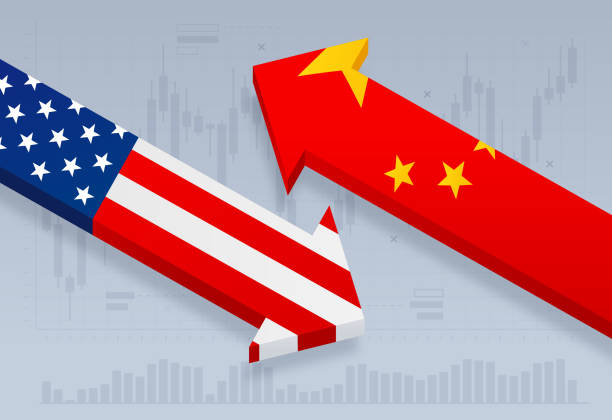
The United States and China reached their worst trade conflicts in 2025. A wide range of Chinese imports became subject to a 145% tariff as the U.S. government implemented these trade restrictions while also changing de minimis exemption rules. Morgan Lewis together with The Guardian report that the new trade policies implemented serious obstacles that resulted in higher expenditure for border crossings. This market alteration has been earth-shaking for retailers operating online. The rising prices and supply chain bottlenecks along with the rise of consumer purchasing restraint characterize the current state of retail markets. DHgate along with other platforms operating as direct links between manufacturers and buyers experience a dual challenge and marketplace prospects alike.

In this article, we'll dive into how DHgate sellers and other businesses can fine-tune their e-commerce strategies and master tariff adaptation to not just survive, but grow in this new global environment.
Understanding the Current Trade Landscape
Tariff Hikes: A 145% Shockwave
The U.S. government implemented a 145% combined tariff against Chinese imports during early 2025, which affected numerous items coming from China. The trade restriction consists of two layers where 125% represents the “reciprocal” measure to rebalance trade while 20% imposes additional tariffs tied to fentanyl crisis mitigation and supply chain resumption efforts. China Briefing and Reuters report that the substantial tariff increase triggered serious global logistics breakdowns together with shipping delays and elevated prices for products spanning electronic goods and textile items.
Many Chinese exporters avoid U.S. shipments because of changing price structures and delayed logistics thus causing them to hesitate before sending shipments without price adjustments. The Chinese manufacturer-focused platform DHgate faces operational difficulties while urgently requiring innovative solutions because of this development.
Ending the De Minimis Exemption
The U.S. made the situation worse when it abolished the de minimis exemption, which applies to shipments that originate from China and Hong Kong. The policy alteration made all low-cost merchandise from China and Hong Kong subject to customs checks along with payment of taxes even when they were previously tax-free. U.S. consumers formerly received duty-free shipping on items situated below $800 from DHgate until the company became obligated to tax these purchases like expensive imported items.

The termination of de minimis status strongly affects fast fashion retail alongside beauty accessories plus consumer electronics along with small electronic gadgets sectors, which operate on thin profit margins. Online business news source Business Insider together with Oliver Wyman explains that numerous small online retailers face the choice between recalculation of their whole inventory or total loss of profits because of profit margins eroding. The new standard of extended customs clearance times now creates challenges that slow down deliveries as well as reduce customer satisfaction rates.
Shifting Consumer Behavior
With prices rising sharply and shipping becoming more complex, U.S. shoppers are changing how—and where—they buy. A growing number are shifting toward platforms that offer factory-direct pricing, like DHgate. The platform recently surged to the #2 spot in the U.S. App Store, reflecting a boom in app downloads as buyers hunt for deals amid inflationary pressure.
The growing consumer acceptance of delayed shipping permits DHgate to provide excellent price reductions to platform users. Social media platforms such as TikTok and YouTube provide widespread exposure to DHgate through review video content and Reddit discussion threads resulting in an increased consumer interest in cost-effective options.This evolving behavior signals a significant pivot in online retail, where affordability and adaptability now matter more than ever.
The Rise of DHgate Amid Tariff Challenges
Chinese e-commerce marketplace DHgate launched in Beijing during 2004 through the efforts of Diane Wang who established this platform as the first B2B cross-border marketplace in China. DHgate receives its name from the ancient city of Dunhuang which appears in history as part of the Silk Road as the platform develops its mission to support global trade. The platform DHgate has transformed to provide services to businesses together with individual consumers while presenting diverse merchandise from electronics to fashion items. The platform now has 2.6 million sellers and 77 million registered buyers worldwide who make it a substantial force in global e-commerce since 2025.
Surge in Popularity: Tariffs and TikTok
The 145% U.S. tariffs on Chinese goods together with the elimination of the de minimis rule led to substantial changes in consumer purchasing activities. DHgate emerged as a top platform option after Americans started searching for lower-priced alternatives due to rising prices of everyday items on mainstream stores.
What made the difference? Customers accepted extended shipping durations because DHgate offered merchandise at rates which matched 60–80% of American retailer prices. Pandaily along with Business Insider, explain that these increasing numbers demonstrate how purchasing attitudes have evolved toward lower prices as well as customized items and manufacturer-direct distribution instead of typical retail convenience.
Opportunities for Sellers: Capitalizing on the Momentum
The surge of interest toward DHgate functions as an exceptional sales chance for all sellers on the platform. A large number of new users have joined DHgate which sellers can leverage through early action while optimizing select features to expand their market reach along with revenue growth:
Companies operating on DHgate that adjust their offerings to market trends will leverage industry changes into increased success and potential growth.
Strategic E-commerce Responses to Tariff Pressures
The recent U.S.-China trade tensions have thrown a curveball at online retailers, particularly those dependent on Chinese suppliers. Thus to compete against new market restrictions platforms and the sellers who rely on it must rethink their approach to remain competitive.
1. Diversifying Supply Chains
Distributing all merchandise from China incurs substantial monetary challenges alongside delivery challenges. A growing number of sellers utilize diversification methods for survival because of this issue. United States importers are turning to Vietnam and Mexico and India and Indonesia as product origination points because both nations possess developing production capabilities while maintaining acceptable American trade terms. The country of Vietnam has developed into one of the main locations for textile production together with electronics manufacturing. Vision Plus reports that United States regulators boost their oversight on Vietnamese exports to stop Chinese products from entering the market through illicit means. The requirement to track products back to their source has become critical because of the changing market conditions.
To manage this shift, sellers should:
2. Establishing Local Warehousing
Another powerful response is setting up fulfillment or warehousing operations in the U.S.. While the initial cost can be high, the benefits are long-term and significant.
By storing inventory stateside, sellers can:
3. Adopting Delivered Duty Paid (DDP) Shipping
Under DDP shipping the seller assumes all payment responsibilities while bearing the risks related to the delivery. The payment method reveals the entire expense for an order including taxes and duties during the initial transaction process thus gaining shopper appreciation. This strategy helps decrease shopping cart desertion particularly for U.S. customers who get annoyed by unanticipated customs fees.Although DDP adds cost for sellers, it builds trust and improves repeat purchase rates.
Best practices include:
4. Utilizing Technology for Customs Compliance
The process of customs clearance creates delays that automation solutions now help companies keep compliant and prevent financial penalties.
Solutions like Digicust, Avalara, and Descartes help businesses:
These tools reduce human error, speed up border processing, and allow sellers to scale internationally without drowning in paperwork.
By implementing these smart, tech-enabled and customer-focused strategies, DHgate sellers and other online retailers can stay ahead of the curve. The landscape may be shifting, but those who act quickly and adapt their e-commerce strategies will turn pressure into profit.
Leveraging DHgate's Low-Price Collections
The rising costs from tariffs motivate U.S. shoppers to use DHgate’s low-price collection page because it provides them with budget-friendly options. The low-price collection section on the platform displays uniquely selected deals specifically made to let customers buy essential items at affordable rates. Customers who want to control rising costs find the DHgate low-price collection particularly valuable due to its competitive prices across multiple shopping channels.
Shoppers can find an extensive selection throughout the platform including electronic devices such as earbuds alongside phone accessories as well as smartwatches together with fashion products including casual clothing with shoes and handbags. Home goods with practical kitchenware as well as tools and storage solutions are available at this store. Standard consumers together with small-scale business operators find these product offerings ideal because of their quality combined with affordable pricing.
Due to trade tensions retail shoppers in the United States can now purchase smartly through this collection. Customers do not need to trade off variety or value with this shopping option. The hand-picked products at DHgate allow customers to access manufacturer-level price tags and receive shipping benefits at no or reduced costs.
The time is right to benefit from bulk offers, clearance sales and flash deals since additional price hikes will soon come into effect. Users can find cost-effective shopping solutions through the assortment of products on DHgate no matter if they shop for personal or business purposes.
Long-Term Outlook and Adaptation
The existing U.S.-China trade tensions show no sign of shortening their duration anytime soon. Experts believe that tariff levels may continue to rise because of changes in government leadership alongside economic demands and disruptions to worldwide production networks. This unstable situation has become the norm for online retailers doing business. Online businesses need to prioritize trade policy updates and tariff regulations because this knowledge will protect their survival.
The key factor for DHgate sellers together with other cross-border merchants is their ability to be flexible. Businesses need to update their e-commerce methods immediately because import regulations change as well as buyer choice preferences and delivery expenses. The effectiveness of today's business approach could turn into loss-making if sellers fail to adapt their tactics to upcoming trade barriers and changing customer purchasing patterns.
That’s where innovation comes in. The future of successful business practice relies on two techniques: AI-driven marketing tools and bundle deals and localized warehousing solutions. New product choices should match present consumer demand patterns which include basic necessities at affordable prices along with social media trends.
Quick adaptation combined with creative thinking enables people to emerge as stronger entities from a changing industry landscape. Future success will belong to sellers who convert disruptive forces into strategic possibilities.

Conclusion
The evolving trade tensions between U.S. and China have made proactive tariff changes into a critical feature of business success. Business strategies such as supply chain diversification combined with DDP shipping practices and DHgate’s low-price collections and warehouse investment allow sellers to remain competitive. DHgate sellers encounter more than a challenge through this situation because they obtain a fantastic opportunity to develop innovative solutions while increasing their operational scale and enhancement of their resilience. Competitive online retailers maintain market efficacy through speed of adaptation while centring customer needs to transform market uncertainty into business growth opportunities. Online retail success requires sellers to stay well-informed and adaptable while looking ahead because quick adaptability leads to the longest lasting success in this business model.