
5 Benefits of Using Handmade Soap
Upload time :November 30, 2023
Shares
Reads
Handmade soap is becoming increasingly popular among consumers, particularly those who value using natural and eco-friendly products. Handmade soap contains natural ingredients that offer numerous benefits to the skin, such as moisturizing and soothing properties. Unlike commercial soap, which often contains harsh chemicals and synthetic fragrances, handmade soap maintains the skin's natural pH level and avoids stripping it of its natural oils. Additionally, handmade soap is produced through sustainable practices and offers customization options, allowing customers to personalize their soap based on their needs and preferences. By choosing handmade soap, consumers can support small businesses and reduce their environmental impact while also enjoying the many benefits for their skin.
Natural ingredients
Firstly, natural ingredients refer to those that come from plants, animals, or minerals. They are not chemically synthesized in a laboratory and do not contain artificial additives or preservatives. Natural ingredients are often used in their raw form or minimally processed to retain their beneficial properties.
Using natural ingredients in handmade soap has many benefits. Firstly, they are gentle on the skin and are less likely to cause irritation or allergic reactions compared to synthetic ingredients commonly found in commercial soap. Natural ingredients also provide nourishing and moisturizing benefits to the skin, making it feel soft and supple. For example, oils such as olive oil, coconut oil, and avocado oil are commonly used in handmade soap for their hydrating properties.
Moreover, natural ingredients have therapeutic properties that can help with various skin concerns. For instance, lavender essential oil is known for its calming and soothing effects, making it an ideal ingredient for sensitive or acne-prone skin. Tea tree oil, on the other hand, has antibacterial properties that can help prevent infections and reduce inflammation.
In contrast, commercial soap often contains harsh chemicals such as sulfates, parabens, and synthetic fragrances that can strip the skin of its natural oils and cause dryness and irritation. These chemicals can also be harmful to the environment and contribute to water pollution.
Furthermore, the production of commercial soap often involves animal testing and the use of animal by-products such as tallow (rendered animal fat). Handmade soap, on the other hand, can be made with vegan-friendly ingredients and does not require animal testing.
Gentle on skin
Firstly, let's talk about pH levels in soap. The pH scale ranges from 0 to 14, with 7 being neutral. Our skin's natural pH level is slightly acidic, typically around 5.5. When we use soap that is too alkaline (above 7 on the pH scale), it can disrupt the skin's natural balance and cause irritation, dryness, or even breakouts. This is where handmade soap comes in - many artisanal soap makers carefully formulate their recipes to ensure that they create soap with a pH level that is similar to that of healthy skin.
Maintaining the skin's natural pH level is crucial for several reasons. Firstly, it helps keep the skin's protective barrier intact. This barrier is made up of oils, sweat, and dead skin cells, and it serves to keep out harmful pathogens and pollutants. When the skin's pH is disrupted, this barrier can become compromised, leaving the skin more vulnerable to damage. Secondly, maintaining the skin's natural pH level can help regulate sebum production. Sebum is the oil that our skin produces, and when it is overproduced, it can lead to clogged pores and breakouts. By using soap that doesn't strip the skin's natural oils or alter its pH, we can help keep sebum production in check.
Now let's compare handmade soap to commercial soap. Most commercially produced soaps are formulated to have a high pH level, typically between 9 and 10. This is because the ingredients used in these soaps (often synthetic detergents and other chemicals) require an alkaline environment to work effectively. While this may make them effective at removing dirt and oil from the skin, it also means that they can be harsh and drying. Moreover, they can disrupt the skin's natural pH balance, leading to irritation and other issues.
In contrast, handmade soap is often crafted using natural ingredients that are gentler on the skin. Many artisanal soap makers use oils like olive, coconut, and avocado, along with other natural ingredients like honey, herbs, or essential oils. These ingredients not only provide nourishment for the skin but also contribute to the soap's gentle pH level. By choosing handmade soap, consumers can enjoy the benefits of a soap that is effective yet gentle, without compromising on the health of their skin.
Environmental benefits
The production of eco-friendly soap involves sustainable practices that prioritize the well-being of the environment and its inhabitants. This includes using natural ingredients such as plant-based oils, essential oils, and botanicals that are ethically sourced and biodegradable. Handmade soap is typically made in small batches, reducing waste and conserving energy. Additionally, many small-scale soap makers use renewable energy sources to power their production facilities, further reducing their environmental impact.
Using eco-friendly soap has numerous benefits for both the environment and our bodies. Firstly, they are free of harsh chemicals like synthetic fragrances, sulfates, and parabens, which can cause skin irritation, allergic reactions, and even disrupt hormonal balance. In contrast, handmade soap contains natural ingredients that nourish and moisturize the skin, leaving it feeling soft and healthy.
Moreover, eco-friendly soap is biodegradable, meaning that it breaks down easily in waterways, causing minimal harm to aquatic life. Commercial soap, on the other hand, contains synthetic surfactants that don't break down naturally, contributing to water pollution and harming marine ecosystems.
When compared to commercial soap, handmade eco-friendly soap stands out in terms of sustainability and ethical production. Commercial soap is often produced in large factories, consuming vast amounts of energy and creating greenhouse gas emissions. Moreover, commercial soap companies often source raw materials unethically, causing environmental degradation and exploitation of local communities.
Customization options
Customization Options
Handmade soap offers a range of customization options that allow you to tailor your soap to your individual needs. Some common customization options include:
1. Scent: Handmade soap can be scented with essential oils or fragrance oils, allowing you to choose a scent that suits your personal preference.
2. Ingredients: Handmade soap can be made with a variety of ingredients, such as shea butter, coconut oil, or oatmeal. This allows you to choose ingredients that are beneficial for your skin type.
3. Shape and Size: Handmade soap can be made in different shapes and sizes, making it easier to use and store.
Benefits of Personalized Soap
Personalizing your soap has numerous benefits, including:
1. Better suited to your skin type: By choosing ingredients that are beneficial for your skin type, you can ensure that your soap is gentle and effective.
2. Aromatherapy benefits: Essential oils used in handmade soap can have therapeutic effects on your mood and overall well-being.
3. Unique and personalized: Customizing your soap allows you to create a unique product that is tailored to your preferences and style.
Comparison with Commercial Soap
Commercial soap often contains harsh chemicals and synthetic fragrances that can irritate the skin. Handmade soap, on the other hand, is made with natural ingredients and is free from harmful chemicals. Additionally, handmade soap is often more moisturizing and nourishing for the skin, as it contains glycerin – a natural byproduct of the soap-making process.
In conclusion, customized handmade soap offers a range of benefits over commercial soap. By tailoring your soap to your individual needs, you can enjoy a unique and personalized product that is better suited to your skin type. So why not try making your own customized handmade soap today and experience the difference for yourself?
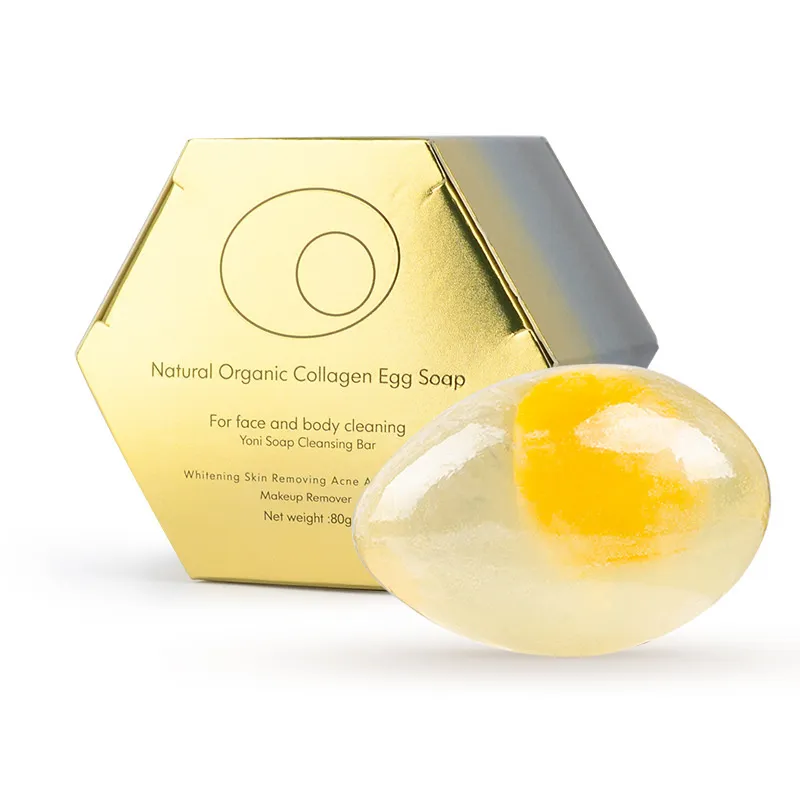
Buy Now
See More: Wholesale Products
FAQ
Q: What are the benefits of using handmade soap?
A: Handmade soap offers several benefits, including:
Q1. Natural ingredients: Handmade soap is made with natural ingredients such as essential oils and plant extracts. It does not contain any artificial fragrances or chemicals that can irritate your skin.
Q2. Moisturizing properties: Most handmade soaps are high in glycerin, which is a natural humectant that helps to attract moisture to your skin. This can help to keep your skin feeling soft and moisturized.
Q3. Environmental impact: Most mass-produced soaps come in plastic packaging which contributes to the growing problem of plastic waste. Handmade soap often comes in biodegradable packaging or no packaging at all, making it a more environmentally friendly option.
Q4. Unique scents: Handmade soap often comes in unique scents that are not available in mass-produced soaps. If you have sensitive skin, you can choose an unscented soap or one with natural fragrances.
Q5. Supporting small businesses: When you buy handmade soap, you are supporting small businesses and artisans. This can help to promote local economies and preserve traditional crafts.
Q: Is handmade soap good for all skin types?
A: Handmade soap can be beneficial for all skin types, but it's important to choose the right type of soap for your skin. If you have dry or sensitive skin, look for soap that contains nourishing ingredients like shea butter or coconut oil. If you have oily or acne-prone skin, look for soap that contains tea tree oil or charcoal. It's also important to patch test a new soap before using it all over your body to make sure it doesn't cause any irritation.
Q: Does handmade soap last longer than mass-produced soap?
A: Handmade soap typically lasts longer than mass-produced soap because it is harder and denser. This is because handmade soap is cured for several weeks before it's sold, which allows it to become more concentrated and less likely to dissolve quickly in water. However, how long your soap lasts will depend on how often you use it and how well you store it. Properly storing your soap in a cool, dry place between uses can help to prolong its life.
Q: Can I use handmade soap on my face?
A: Yes, you can use handmade soap on your face. In fact, many handmade soaps are designed specifically for facial use and contain ingredients like kaolin clay or activated charcoal that can help to draw out impurities and improve skin texture. However, it's important to choose a soap that is appropriate for your skin type and to avoid using harsh scrubs or exfoliants too frequently, as this can damage your skin's natural barrier and cause irritation.
Recommended related content
Top 5 Benefits of Using Sports Wrist Bands for Athletes
The Benefits of Using a Silicone Spatula in Your Cooking
5 Benefits of Growing Your Own Herbs in a Box
The Benefits of Using High-Quality Mats for Your Home Gym
What Are the Benefits of Using a Tempered Glass Screen Protector?
