
How to Choose the Best Lipgloss for Your Skin Tone?
Upload time :September 27, 2023
Shares
Reads
When it comes to choosing the best lip gloss for your skin tone, there are a few things to consider before making a purchase. First and foremost, it's important to think about your undertones. If you have cool undertones, look for shades with blue or pink undertones, while warm undertones should opt for shades with yellow or orange undertones. Matching the intensity of the shade to your skin tone can also make a big difference in how flattering the lip gloss looks on your lips. Those with fair skin should stick to lighter shades, while deeper skin tones can pull off bold, darker shades. Experimenting with different shades is also key to finding your perfect match, but be wary of overly light or dark shades that may wash you out or look too harsh. Lastly, using swatches or trying on the lip gloss in person can help you see how the shade looks against your skin before committing to a purchase. By following these tips, you'll be sure to find the best lip gloss for your skin tone.See More: The Evolution of Designer Women's Watches: From Function to Fashion
1. Consider undertones
What are undertones?
To understand how to choose the best lip gloss for your skin tone, you first need to understand what undertones are. Undertones are the subtle hues that lie beneath the surface of your skin. They can be warm, cool, or neutral. Warm undertones include yellow, peach, and golden hues, while cool undertones have pink, red, or blue tones. Neutral undertones contain a balanced mix of warm and cool tones.
How to determine your undertone?
Determining your undertone can help you select the right makeup products, including lip gloss. Here are a few methods to determine your undertone:See More: What Can You Do with Empty Makeup Palettes? Discover Creative Ideas Now!
Vein test: Look at the veins on your wrist. If they appear greenish, you have a warm undertone. If they look bluish-purple, you have a cool undertone. If your veins appear both greenish and bluish, you may have a neutral undertone.
Jewelry test: Think about which jewelry looks better on you. If gold jewelry suits you better, you likely have a warm undertone. If silver or platinum jewelry complements your skin, you likely have a cool undertone. If you can wear both metals equally well, you probably have a neutral undertone.
Natural hue test: Pay attention to how your skin looks without any makeup. If your skin has a yellow or golden cast, you likely have a warm undertone. If your skin appears more rosy or pink, you probably have a cool undertone. If you have a balance of both, you may have a neutral undertone.
Buy Now
See More: Wholesale Products
Best lip gloss colors for warm undertones:
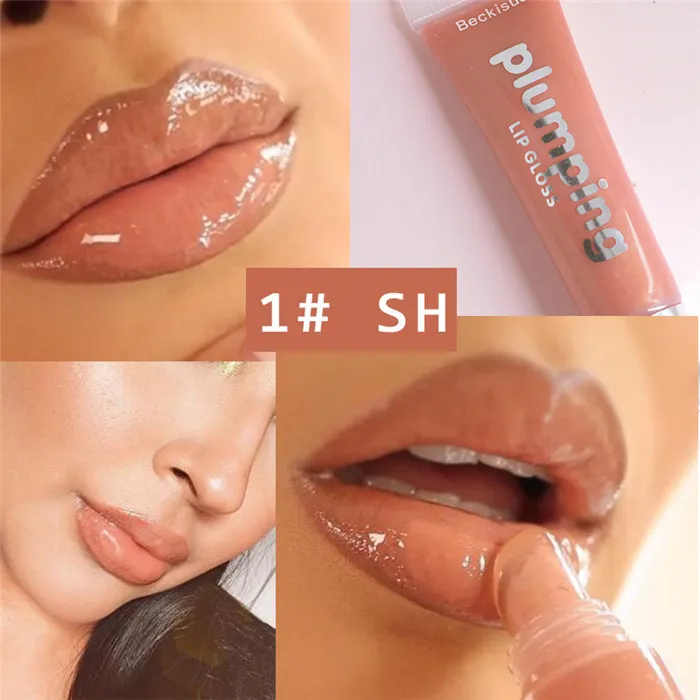
If you have warm undertones, you should opt for lip gloss shades that have golden, peachy, or orange hues. These colors pair well with your skin's natural warmth and create a harmonious look. Some of the best lip gloss shades for warm undertones include:
- Peachy nudes
- Coral pinks
- Golden browns
- Orange-reds
- Bronze
Best lip gloss colors for cool undertones:
If you have cool undertones, you should choose lip gloss shades that have blue, pink, or purple undertones. These shades contrast with your skin's natural coolness and create a flattering effect. Some of the best lip gloss shades for cool undertones include:
- Baby pinks
- Fuchsia
- Berry
- Lilac
- Ruby redSee More: What Makes Ruby Red Grapefruit So Beneficial for Your Health?
Best lip gloss colors for neutral undertones:
If you have a neutral undertone, you have the most versatile skin tone and can wear a wide range of lip gloss shades. You can experiment with warm and cool-toned lip glosses, depending on your mood or occasion. Here are some lip gloss shades that work well for neutral undertones:
- Nude shades with a hint of pink or peach
- Mauve
- Rose
- Burnt orange
- Deep berry
Conclusion:
2. Match intensity to skin tone
One key tip for selecting the best lipgloss for your skin tone is to match the intensity of the gloss to your complexion. This means that you should aim to choose a shade that is similar in depth or darkness to your natural skin tone.
For example, if you have fair or light skin, you may want to opt for a lighter, more sheer gloss that won't overwhelm your features. Look for shades that are pale pink, peachy, or even clear for a subtle, fresh look. Avoid dark or bold colors that can make your lips look harsh or too prominent.
On the other hand, if you have medium or olive-toned skin, you can experiment with deeper, richer shades that have more pigment and shine. Try out mauves, berries, or warm browns that will complement your skin tone and add some dimension to your overall look.
If you have darker skin, you can go all out with bold and intense lipglosses that really make a statement. Shades like deep reds, purples, and plums can look stunning on deeper skin tones, adding drama and glamour to any outfit.
Of course, it's not just about finding the right intensity of color - you also need to think about the undertones of your skin. Cool-toned complexions tend to have pink or blue undertones, while warmer skin tones often have yellow or golden undertones.
If you have a cool skin tone, you'll want to look for lipglosses that have blue or purple hues, such as fuchsia, raspberry, or even icy silver. These colors will complement your skin's undertones and create a harmonious look.See More: The Surprising Uses of Raspberry in Skincare Products
Meanwhile, if you have a warm skin tone, you should seek out lipglosses that have warmer undertones, such as coral, bronze, or golden shimmer. These shades will enhance the warmth and glow of your skin, creating a radiant and luminous effect.
It's also worth noting that some lipgloss formulas are better suited to certain skin types. If you have dry or chapped lips, you may want to choose a moisturizing lipgloss that contains nourishing ingredients like shea butter or vitamin E. On the other hand, if you have oily skin or are prone to breakouts, you may prefer a matte or oil-free lipgloss that won't clog your pores.
3. Experiment with different shades
1. Determine Your Skin Tone
The first step in choosing the right lip gloss is to identify your skin tone. There are three main categories: fair, medium, and dark. Fair skin has cool undertones, while medium skin tones have warm undertones. Dark skin tones have deep, rich undertones.
You can determine your skin tone by looking at the veins on your wrist. If they appear blue, you have cool undertones, which means you have fair skin. If they're green, you have warm undertones, indicating that you have a medium skin tone. If your veins appear somewhere between blue and green, you have neutral undertones.
2. Analyze Your Undertones
Once you've identified your skin tone, analyze your undertones. There are two types of undertones: warm and cool. Warm undertones have yellow, gold, or peachy hues, while cool undertones have pink, red, or bluish hues.
If you have fair skin with cool undertones, look for lip glosses with blue, pink, or purple hues. These shades will complement your complexion and enhance your natural beauty. For medium skin tones with warm undertones, opt for lip glosses with coral, peach, or orange hues. These colors will brighten up your face and give you a healthy glow. Finally, if you have dark skin with deep, warm undertones, go for lip glosses with burgundy, plum, or brown hues. These shades will complement your complexion and bring out your natural radiance.
3. Experiment with Different Shades
Don't be afraid to experiment with different shades of lip gloss. While it's essential to choose colors that complement your skin tone, there's no harm in trying new things. You might find a shade that you never thought would suit you but ends up becoming your go-to color.
When experimenting with different shades, start with sheer lip glosses. These products offer a subtle hint of color and are perfect for everyday wear. Once you get comfortable with these shades, you can move on to bolder colors like reds and pinks.
4. Consider Your Lip Shape
Another factor to consider when choosing lip gloss is your lip shape. If you have thin lips, you may want to avoid dark shades as they can make your lips appear even smaller. Instead, opt for lighter, brighter shades that will make your lips look fuller. If you have full lips, you can experiment with darker colors.
5. Choose the Right Formula
Finally, consider the formula of the lip gloss. There are several types available, including matte, shiny, and glossy. Matte lip glosses offer a more natural finish, while shiny and glossy formulas are perfect for a night out. Consider your needs before making a purchase. If you prefer a long-lasting lip gloss, go for waterproof formulas. If you have dry lips, look for products with added moisturizers like Vitamin E or Jojoba oil.See More: What are the best moisturizers for dry skin?
Conclusion
4. Avoid overly light or dark shades
Fortunately, choosing the best lipgloss for your skin tone doesn't have to be a difficult task. By following a few simple tips and guidelines, you can find the perfect shade that will enhance your natural features and complement your overall look. Here are some key things to keep in mind when choosing a lipgloss based on your skin tone:
1. Determine Your Skin Tone
The first step in choosing a lipgloss that will work well with your skin tone is to determine what your skin tone actually is. There are many different systems for categorizing skin tones, but one of the most commonly used is the Fitzpatrick scale.
The Fitzpatrick scale is a numerical system that classifies skin tones into six categories based on how easily they tan and how likely they are to burn in the sun. The six categories are:
- Type I: Very fair skin that burns easily and rarely tans
- Type II: Fair skin that burns easily and tans minimally
- Type III: Medium skin that may burn initially but then tans gradually
- Type IV: Olive or light brown skin that rarely burns and tans easily
- Type V: Brown skin that very rarely burns and tans darkly
- Type VI: Very dark brown or black skin that never burns and always tans darkly
Once you know your skin tone category, you can start looking for lipgloss shades that will complement your natural coloring.
2. Consider Undertones
In addition to your overall skin tone, it's also important to consider the undertones in your skin. Undertones are the subtle hues that exist beneath the surface of your skin and can have a big impact on how different colors look on you.
There are three main types of undertones: cool (pink, red, or blue), warm (yellow, peach, or golden), and neutral (a mix of cool and warm). To determine your undertone, look at the veins on the inside of your wrist. If they appear blue or purple, you likely have cool undertones. If they appear greenish, you likely have warm undertones. If you can't tell whether they're blue or green, you likely have neutral undertones.
Once you know your undertone, you can choose lipgloss shades that will complement it. Cool undertones tend to look best with shades that have pink or blue undertones, while warm undertones look best with shades that have yellow or golden undertones. Neutral undertones can generally wear a wider range of colors.
3. Choose Shades That Complement Your Natural Lip Color
Another key factor to consider when choosing a lipgloss is your natural lip color. Some lipglosses are designed to enhance or intensify your natural lip color, while others are more opaque and can completely cover it up.
If you want to enhance your natural lip color, look for shades that are similar to your own lips but slightly more intense. For example, if you have naturally pink lips, you might try a sheer pink lipgloss. If you have naturally darker lips, you might try a deeper berry or plum shade.
If you prefer more opaque coverage, you can choose a shade that completely covers your natural lip color. However, be careful not to go too far outside your natural range – overly light or dark shades can look unnatural and unflattering.
4. Avoid Overly Light or Dark Shades
As mentioned earlier, one of the most important things to remember when choosing a lipgloss is to avoid overly light or dark shades. Very pale shades can wash out your complexion and make you look sickly, while extremely dark shades can be overwhelming and harsh.
Instead, stick to shades that are within a few shades lighter or darker than your natural lip color. This will give you a subtle and flattering look that will enhance your natural beauty instead of detracting from it.
5. Experiment with Different Textures and Finishes
Finally, don't be afraid to experiment with different textures and finishes when choosing a lipgloss. Glosses come in a variety of different formulas, including sheer, shimmery, sparkly, metallic, and matte.
Shimmery and sparkly glosses can be fun and playful, while metallic shades can add an edgy or futuristic touch to your look. Matte glosses can be sophisticated and chic, while sheer glosses are perfect for everyday wear. Play around with different finishes and textures until you find the one that works best for you.
5. Use swatches or try on in person.
1. Determine Your Skin Tone
Before you start looking at lipgloss shades, you need to determine your skin tone. This will help you narrow down your options and choose a lipgloss that complements your complexion. There are three main skin tones: cool, warm, and neutral.
Cool skin tones have pink or bluish undertones, and usually look best in colors like berry, plum, and mauve. Warm skin tones have yellow or golden undertones, and tend to look best in shades like coral, peach, and bronze. Neutral skin tones can wear a wide range of shades, but look particularly good in colors like nude, rose, and soft pinks.
2. Consider Your Undertones
In addition to your overall skin tone, you should also consider your undertones. Undertones are the subtle hues that can be found beneath the surface of your skin. They can be either cool or warm, and they play a big role in how certain shades of lipgloss will look on you.
To determine your undertones, take a look at the veins on the inside of your wrist. If they appear blue or purple, you likely have cool undertones. If they appear greenish, you likely have warm undertones. If you can't tell, you may have neutral undertones.
3. Look for Complementary Shades
Once you've determined your skin tone and undertones, you can start looking for lipgloss shades that complement them. As a general rule, you want to choose a shade that is one or two shades darker or lighter than your natural lip color. This will give you a natural-looking finish that enhances your lips without overwhelming them.
If you have cool undertones, you might want to opt for shades like raspberry, cherry, or deep red. For warm undertones, try shades like peach, honey, or caramel. If you have neutral undertones, you can experiment with a wider range of shades, including pink, beige, and even bold colors like red or fuchsia.
4. Choose a Finish
In addition to the color of your lipgloss, you should also consider the finish. Lipglosses come in a variety of finishes, including matte, sheer, glossy, and metallic. The finish you choose can have a big impact on the overall look of your makeup.
For a natural look, try a sheer or glossy finish. If you want something more dramatic, go for a metallic or matte finish. Just keep in mind that matte finishes can be drying, so you may want to pair them with a moisturizing lip balm.
5. Use Swatches or Try On in Person
Finally, the best way to choose the right lipgloss for your skin tone is to use swatches or try on different shades in person. Swatches are samples of the lipgloss that you can apply to your skin to see how they look against your complexion. You can find swatches online or in-store at most beauty retailers.
If possible, try on the lipgloss in person to get a better idea of how it looks on your lips. Most beauty retailers will let you try on makeup before you buy it, so take advantage of this service to find the best lipgloss for your skin tone.
In conclusion, choosing the best lipgloss for your skin tone requires a bit of trial and error. By considering your skin tone, undertones, complementary shades, finish, and using swatches or trying on in person, you can find the perfect lipgloss to enhance your natural beauty. With these tips in mind, you'll be sure to find a shade that makes your lips look plump, soft, and kissable.
Recommended related content
How to Choose the Best Military Watch for Your Outdoor Adventures: A Comprehensive Guide
How to Choose the Best Auto Dialer for Your Business: Ultimate Guide
How to Choose the Right Fitbit Strap for Your Lifestyle and Fitness Goals
