
How to Straighten Your Hair with a Flat Iron Like a Pro
Upload time :December 22, 2023
Shares
Reads
For those looking to achieve sleek, straight hair, using a flat iron can be a game-changer. However, there are important steps to follow before, during, and after the straightening process to ensure healthy, shiny locks. To prepare your hair, wash and detangle it thoroughly and make sure it's completely dry before applying any heat. Choosing the right flat iron is also crucial, taking into account factors such as plate size, material, and heat settings. Different straightening techniques can achieve different styles, from smooth and sleek to voluminous and bouncy. Using heat protectant sprays, serums, and oils can help protect your hair from damage. Finally, maintaining your straightened hair with proper styling and touch-ups can extend the life of your look between washes.
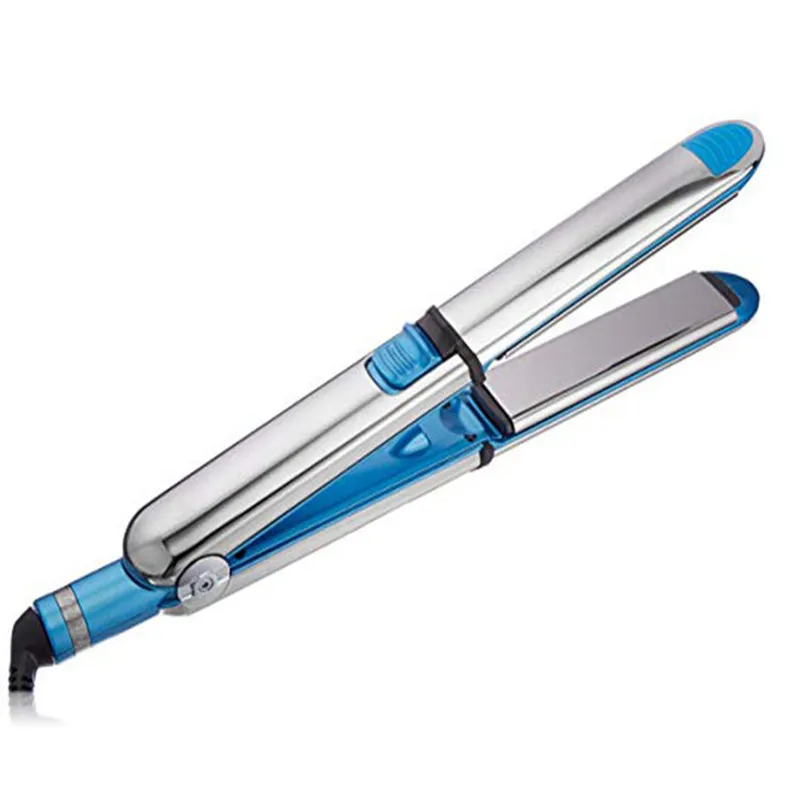
Buy Now
See More: Wholesale Products
Preparation
Washing Your Hair
Before using a flat iron, it is important to have clean hair. Use a gentle shampoo and conditioner to wash your hair thoroughly, making sure to rinse out all of the product. Avoid using heavy conditioners or oils that may weigh down your hair, as this can make it harder to straighten. After washing, gently pat your hair dry with a towel - do not rub harshly, as this can cause frizz.
Drying Your Hair
If you have time, let your hair air dry for a little while before blow-drying, as this can help reduce heat damage. When blow-drying, use a heat protectant spray or serum to protect your hair from the heat of the dryer. To prevent damage and breakage, use a low or medium heat setting on your dryer, and hold it at least 6 inches away from your hair. Use a wide-toothed comb to detangle your hair while drying, working from the ends up to the roots.
Detangling Your Hair
Before straightening your hair, it is important to detangle it thoroughly. Use a wide-toothed comb or brush to gently work through any knots or tangles in your hair, starting at the ends and working your way up to the roots. This will help prevent breakage and damage when straightening your hair with a flat iron. If you have particularly knotty hair, you may want to consider using a detangling spray or leave-in conditioner to help loosen the knots.
Choosing the Right Flat Iron
When it comes to achieving sleek, shiny locks, a flat iron is an essential tool in any hair care arsenal. However, with so many options on the market, choosing the right one can be overwhelming. Here, we provide a comprehensive guide to selecting the best flat iron for your hair type and budget.
Plate Size
The first consideration when selecting a flat iron is plate size. The most common sizes are 1-inch, 1.5-inch, and 2-inch. 1-inch plates are ideal for short or fine hair, while 1.5-inch plates work well for medium-length hair. 2-inch plates are best for thick or long hair. Keep in mind that larger plates may be heavier and more difficult to maneuver.
Material
Flat irons come in a variety of materials, each with its own pros and cons. Ceramic plates distribute heat evenly and reduce frizz, making them a popular choice. Titanium plates heat up quickly and maintain a constant temperature, making them great for thick or coarse hair. Tourmaline plates emit negative ions that smooth hair and reduce static electricity.
Heat Settings
Different hair types require different heat settings. Fine or damaged hair should be styled at lower temperatures (around 300°F), while thicker or coarser hair may require temps around 400°F. Look for a flat iron with adjustable heat settings to ensure you can customize the heat to your specific needs.
Price Point
Flat irons range in price from $20 to $300 or more. While a higher price doesn't necessarily mean better quality, investing in a high-quality flat iron can save you money in the long run by reducing damage to your hair. Consider your budget and how often you will use the flat iron when making your selection.
Additional Features
Many flat irons come with additional features such as automatic shut-off, swivel cords, or dual voltage for travel. These can be helpful considerations when making your selection.
Straightening Techniques
For many individuals, straight hair is a desired hairstyle that can be achieved using a variety of techniques. One popular method is using a flat iron, also known as a hair straightener. In this guide, we will provide step-by-step instructions on how to use a flat iron to achieve different types of straight styles, from sleek and smooth to voluminous and bouncy.
Before beginning the straightening process, it’s important to prepare your hair properly. Start by washing and conditioning your hair with products designed for your hair type. Apply a heat protectant spray or serum to prevent damage from the heat of the flat iron. It’s essential to choose the right type of flat iron for your hair; thicker hair requires a higher heat setting, while fine or thin hair should use a lower temperature.
The first technique we’ll cover is achieving a sleek and smooth straight style. Begin by sectioning your hair into small sections, starting at the back of your head and working your way forward. Clamp the flat iron at the roots of your hair and glide it down to the ends, making sure to keep the flat iron moving steadily to prevent creases. Repeat this process on each section of your hair until you have achieved the desired level of straightness.
For those who prefer a more voluminous and bouncy look, the next technique is perfect for you. Start by sectioning your hair in the same way as before. This time, twist the flat iron as you glide it down each section of hair. This twisting motion creates a wave-like effect, which adds volume and bounce to your straight hair. For an even more dramatic effect, flip the ends of your hair outwards by angling the flat iron slightly upward as you reach the ends of each section.
Another technique for achieving straight hair is creating loose waves. Begin by sectioning your hair and clamping the flat iron at the roots. Twist the flat iron slightly, then glide it down towards the ends of your hair. Once you reach the middle of the section, twist the flat iron in the opposite direction and continue gliding it down to the ends. This twisting motion creates loose waves that add texture and dimension to your straight style.
Protecting Your Hair
The first step in protecting your hair is to choose the right heat protectant spray. A good heat protectant spray can help reduce the amount of heat that reaches your hair, reducing the risk of damage. The spray should be applied to your hair before using the straightening iron, and it should be evenly distributed throughout your hair. When choosing a heat protectant spray, look for a product that contains ingredients like keratin and argan oil, which can help nourish and protect your hair.
In addition to using a heat protectant spray, you may also want to consider using a serum or oil. Hair serums are designed to provide extra protection against heat damage, and they can also help add shine and moisture to your hair. Look for a serum that is lightweight and easy to apply, and avoid products that contain silicones or other heavy ingredients that can weigh down your hair.
Hair oils are another great option for protecting your hair during the straightening process. These oils can be applied to your hair before or after straightening, and they can help reduce frizz and add shine. When choosing a hair oil, look for a product that is specifically designed for use with heat styling tools, and avoid using products that contain alcohol or other harsh ingredients that can dry out your hair.
It's also important to use the right type of straightening iron when straightening your hair. Ceramic and tourmaline straightening irons are ideal for protecting your hair from heat damage because they distribute heat evenly and minimize hot spots. These types of straightening irons also help protect your hair from static and frizz, leaving your hair looking smooth and shiny.
Finally, make sure to take breaks when straightening your hair. Straightening your hair too frequently can cause damage over time, so it's important to give your hair a break every few days. During this time, focus on moisturizing and nourishing your hair with products like deep conditioning treatments and leave-in conditioners.
Aftercare
If you've invested in a hair straightening iron, you probably want to ensure that your newly straightened locks stay sleek and shiny for as long as possible. However, maintaining your straightened hair requires some effort and attention. In this article, we'll provide you with some useful tips on how to maintain your straightened hair once you're done styling it.
1. Avoid Moisture
One of the biggest enemies of straightened hair is moisture. Water can cause your hair to frizz up and lose its straightness, so it's important to avoid getting your hair wet as much as possible. If you must wash your hair, use a dry shampoo or a mild sulfate-free shampoo that won't strip your hair of its natural oils.
2. Use Heat Protectant
Before you use your straightening iron, make sure to apply a heat protectant spray or serum to your hair. This will help prevent heat damage and keep your hair healthy and shiny. Additionally, try not to use your straightening iron on the highest temperature setting as this will increase the risk of damaging your hair.
3. Style Carefully
When styling your hair after straightening, be gentle and careful. Avoid using heavy products that can weigh your hair down or make it greasy. Instead, use lightweight products that will enhance your hair's shine and smoothness. You can also try blow-drying your hair on low heat to make it more manageable.
4. Touch-Ups
Throughout the day, your hair may start to lose its straightness or develop flyaways. If this happens, don't panic. Simply use a small amount of styling cream or serum to tame any unruly hairs. You can also use your straightening iron to touch up any areas that need it.
5. Sleep with Care
When going to bed, try to sleep on a silk or satin pillowcase as it will help prevent friction and tangling. You can also tie your hair in a loose bun or braid to keep it from getting tangled while you sleep.
6. Extend Your Style
If you want to extend the life of your straightened hair between washes, try using a dry shampoo or texturizing spray. These products will help absorb any excess oil and give your hair a fresh, voluminous look.
In conclusion, maintaining your straightened hair requires some effort and attention, but it's worth it to keep your hair looking sleek and shiny. By following these tips, you can ensure that your hair stays straight for as long as possible. Remember to avoid moisture, use heat protectant, style carefully, touch up as needed, sleep with care, and extend your style with dry shampoo or texturizing spray.
FAQ
Q: Can I straighten my hair with any type of flat iron?
A: It is recommended to use a flat iron that has ceramic plates, as they distribute heat more evenly and prevent hot spots on the hair. Additionally, choose a flat iron with adjustable temperature settings to cater to your hair's specific needs. Avoid using metal plated flat irons as they can damage hair and cause it to break or become frizzy.
Q: How often should I straighten my hair with a flat iron?
A: It is important to give your hair breaks in between heat styling to prevent damage and promote healthy hair growth. Ideally, limit the use of your flat iron to once or twice a week. Always use a heat protectant spray before using the flat iron and make sure not to leave the iron in one spot for too long to prevent overheating and burning.
Q: Can I straighten wet hair with a flat iron?
A: No, do not use a flat iron on wet hair as it can cause damage and even lead to breakage. Wet hair is more susceptible to damage from heat because moisture conducts heat better than dry hair. Make sure your hair is completely dry before using a flat iron. If you need to get rid of frizz or tame flyaways, use a blow dryer to dry your hair first and then use the flat iron.
Q: How can I maintain my straightened hair throughout the day?
A: To keep your hair looking sleek and straight all day, avoid touching or running your fingers through your hair too much as this can cause frizz. Use a light hairspray or anti-frizz serum to keep your hair in place and maintain its shine. Consider carrying a small travel-sized flat iron with you for touch-ups if necessary. Avoid exposing your hair to humidity or rain, as this can cause your hair to revert back to its natural state.
Recommended related content
How to Stylish Yourself with Sky Blue Knit Sweater
How to Organize Your Kitchen with a Cereal Container in 2021
How to Organize Your Kitchen with Square Plastic Containers
How to Style Colored Lace Front Wigs Like a Pro
How to Style Your Summer Outfits with the Perfect Crossbody Bag
